GO
Sorry, but you already have a basket with that name. Please use something else.
Are you sure you wish to delete this basket?()
This action cannot be undone.
Sorry, something went wrong
Please report the problem here.
Talking about refugees: BooksForTopics' best picks
June 20th 2022
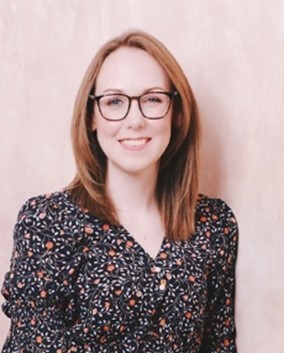 |
Guest blogger: Alison Leach Alison Leach is the founder of BooksForTopics, a website that helps schools find great books to enrich their curriculums and promote reading for pleasure. As an experienced primary teacher, Alison knows that it is not always easy to source the right books and she is passionate about helping the best books reach the spotlight. You can follow @booksfortopics on Twitter. |
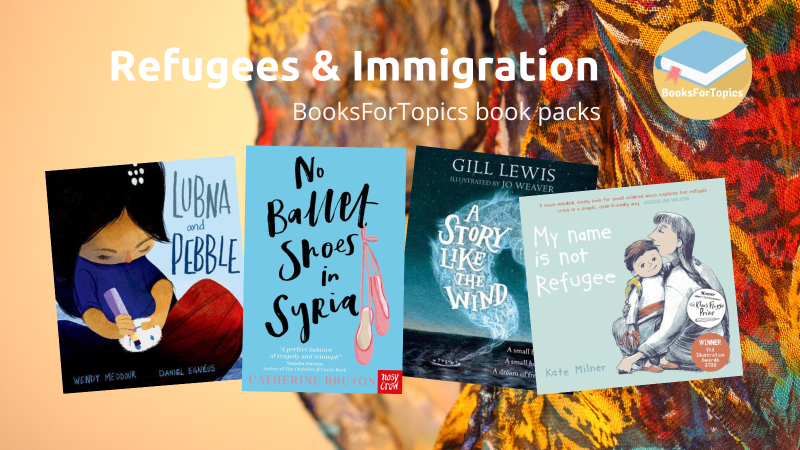
Childrens books about diversity can be a great way for children to learn about the experiences of others, particularly concerning newsworthy and sensitive topics like refugees, war, racism, and immigration. In this guest blog post, Alison takes us through her top picks from the Books For Topics KS1 and Books For Topics KS2 Refugees & Immigration book packs, recommending a book for each primary school year group.
EYFS
|
|
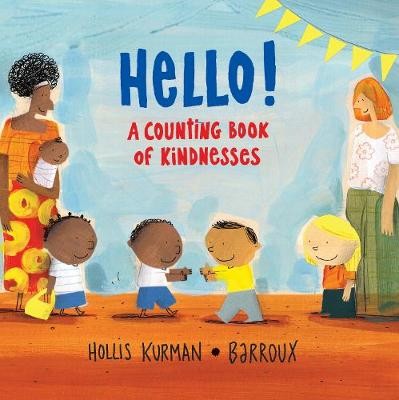
Hello! A Counting Book of Kindnesses This is a counting book with a difference - the counting is a context for a story set about forced migration. We follow a family who are fleeing a war-torn country. They board a boat and travel to safety in another country where the children go to school and make new friends. It’s a hopeful and positive story which promotes kindness. Each page counts through different acts of kindness that helped the family in their difficult situation; 2 hands lifting the children to safety from the boat, 3 donated meals to fill the children up, 4 beds in a temporary shelter, 8 welcome gifts in the new home, 10 new friends to play with, and so on. The simple format leaves plenty of space to think about and discuss the pictures, providing opportunities to discuss ways to be kind and to imagine what things might help you if you had to leave your home. |
Year 1
|
|
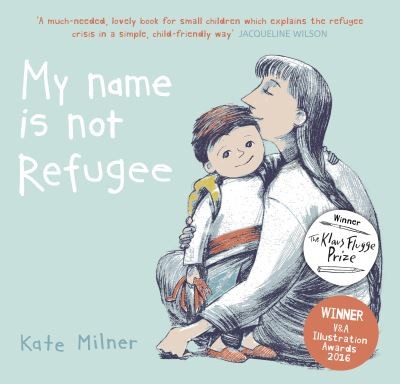
A beautiful, empathy-boosting picturebook written and illustrated in an accessible format for children of all ages to understand the plight of a refugee family as they try to cope in a new environment. Practical details of the refugee experience are addressed in the text a way that children will find relatable - where would you clean your teeth, what would you pack in your bag (it must be small enough to carry), would the food in a new place look weird? - while the illustrations speak of the bigger picture of displacement and the refugee journey. The direct questions involve the reader or give an adult the chance to develop discussion. |
Year 2
|
|
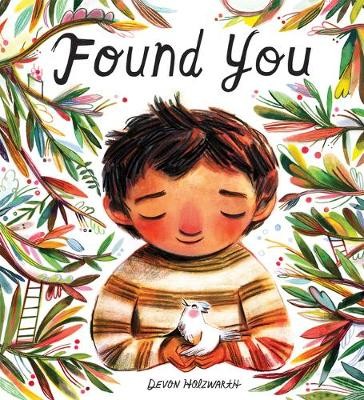
This book about a small child's refugee experience will encourage understanding and plenty of discussion about how important it is to welcome newcomers into a new culture and new friendship groups. When we first meet Sami, he is remembering his homeland, his family and the friends he left behind when he fled. We see him playing by himself and feeling afraid of this new land where no-one speaks his language and he feels like he doesn’t fit in. When he visits a park with his mother, a lonely little bird crashes into him. She is lost and asks Sami to help her find her friends. As Sami remembers where he has seen birds just like Little Bird, he bumps into a little girl from his nursery but is too frightened to talk to her. He needs some persuasion. Little Bird encourages him to agree to playing with her and a new friendship is made. The theme of this year’s Refugee Week is healing, and this is a super picture book for demonstrating the value of making friends as part of the healing process. |
Year 3
|
|
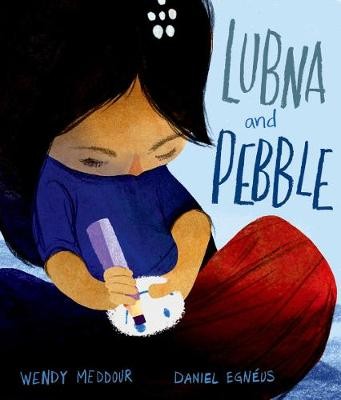
As Lubna arrives in the World of Tents, so begins an emotional story about the power of friendship set against the background of a refugee crisis. Lubna’s best friend is a pebble, found on the beach as ‘they’ arrive in the night. We are not told who ‘they’ are or where ‘they’ came from, but throughout the story there are many clues which help to build a picture of this family’s journey (for example, ‘she fell asleep in Daddy's salty arms’). So it happens that a pebble becomes Lubna’s best friend - a friend to whom she can tell stories of her previous life, the life with her brothers and the life during the war. This picture book is a good introduction for classes to the refugee crisis and the power of friendship, with space for deeper empathetic thinking about the way in which people carry stories with them when they move to a new place. |
Year 4
|
|
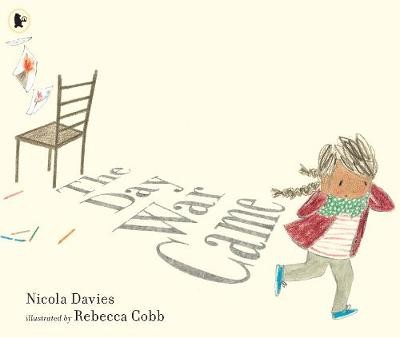
This is a moving picture book with potential for use across the whole school. The story speaks of the initial unwelcome refugees can sometimes face when arriving in a new place. It also tells of the loving acceptance of children in one class, naive to the politics of the world, as they invite new children into their world by giving up their own chair in the classroom and opening up their community to refugees. Emotive in its nature, with a potent message about the power of kindness and hope, the book ignited a campaign where people posted images of empty chairs as symbols of solidarity with children who had lost everything to war in their home countries. Published in association with Help Refugees, the story is a powerful tool for opening up discussions about the ongoing refugee crisis to younger readers and can work very well in tandem with Onjali Q. Rauf’s The Boy at the Back of the Class. |
Year 5
|
|
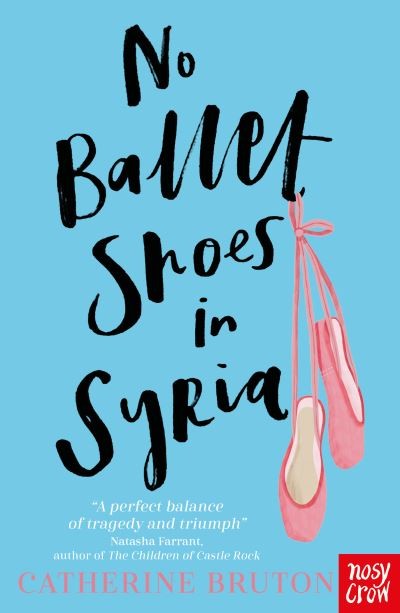
A superb read. This is a gripping and thought-provoking story exploring the experience of an eleven-year-old girl fleeing conflict in Syria. Having just arrived in the UK, eleven-year-old Aya attempts to help her mother and baby brother navigate their new life as asylum seekers. With the trauma of the war back home, the long and difficult journey across land and sea and the heart-wrenching separation from her father during the crossing still fresh in Aya's mind, nothing feels easy. Aya finds joy in the discovery of a local ballet class, reminding her of her deep-seated love for dance. When the dance teacher identifies Aya's talent, she encourages Aya to apply for a scholarship at a prestigious ballet school. Not only might the application open opportunities for Aya to secure a permanent home in the UK, but her audition preparation also provides means for her to process and express some of her most difficult experiences, allowing a healing process to begin. No Ballet Shoes in Syria is an important story that is beautifully told with warmth and compassion. |
Year 6
|
|
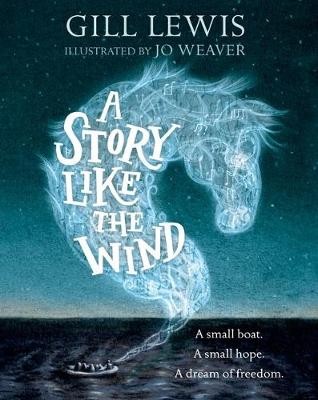
A very special and quite beautiful book from award-winning Gill Lewis, magnificently illustrated by Jo Weaver. It tells the moving tale of Rami, one of many refugees crowded into a boat sailing towards their dream of a safe refuge. As they travel, they tell their stories and Rami has his violin - which when played, weaves the most lyrical story of freedom. A stunning, rich, emotive book with good level of challenge for Year 6. |
Books For Topics Refugees & Immigration book packs
KS1: Saving the Butterfly by Helen Cooper, Hello! A Counting Book of Kindnesses by Hollis Kurman, Found You by Devon Holzwarth, Leaf by Sandra Dieckmann, Lubna and Pebble by Wendy Meddour, My Name is Not Refugee by Kate Milner, What is a Refugee? by Elise Gravel, The Day War Came by Nicola Davies, The Suitcase by Chris Naylor-Ballesteros, Boundless Sky by Amanda Addison, The Last Garden by Rachel Ip, Kasia's Surprise by Stella Gurney, Welcome by Barroux.
KS2: Welcome to Nowhere by Elizabeth Laird, The Arrival by Shaun Tan, Boy 87 by Ele Fountain, The Boy at the Back of the Class by Onjali Q. Rauf, When Stars are Scattered by Victoria Jamieson, The Silence Seeker by Ben Morley, A Story Like the Wind by Gill Lewis, When Jessie Came Across the Sea by Amy Hest, The Unforgotten Coat by Frank Cottrell-Boyce, Here I Am by Patti Kim, Who are Refugees and Immigrants? What Makes People Leave Their Homes? And Other Big Questions by Michael Rosen, Home Ground by Alan Gibbons, The Fox Girl and the White Gazelle by Victoria Williamson, Do You Speak Chocolate? by Cas Lester, Running on the Roof of the World by Jess Butterworth, Azzi in Between by Sarah Garland, Front Desk by Kelly Yang, The Journey by Francesca Sanna, King of the Sky by Nicola Davies, No Ballet Shoes in Syria by Catherine Bruton.
Find out more about Refugee Week here.
- hello@peters.co.uk
- 0121 666 6646
- Send a message
- Meet the team
- Peters Ltd
- 120 Bromsgrove Street
- Birmingham
- B5 6RJ