GO
Sorry, but you already have a basket with that name. Please use something else.
Are you sure you wish to delete this basket?()
This action cannot be undone.
Sorry, something went wrong
Please report the problem here.
Nature in mind: Reconnecting with the natural world with author Anna Wilson and illustrator Harry Woodgate
February 26th 2024
Our final Nature in mind blog focuses on reconnecting with the outdoors on an individual level, and as a community. Author Anna Wilson and illustrator Harry Woodgate give us their tips on bringing nature into our daily lives, as well as talk about the benefits of feeling part of a wider, wild world. Why not take our questions, our Let's Talk prompts, or our PSHE books for primary schools to spark your own class discussion about mental health and nature?
In the school picture book spotlight is Anna and Harry's collaboration Shine Like the Stars. Through warm illustrations and mindful writing, this book shows the vital link between ourselves and the Earth, and the feeling of wellbeing which comes from this connection. It's a wonderful text to share with your class on this topic.
|
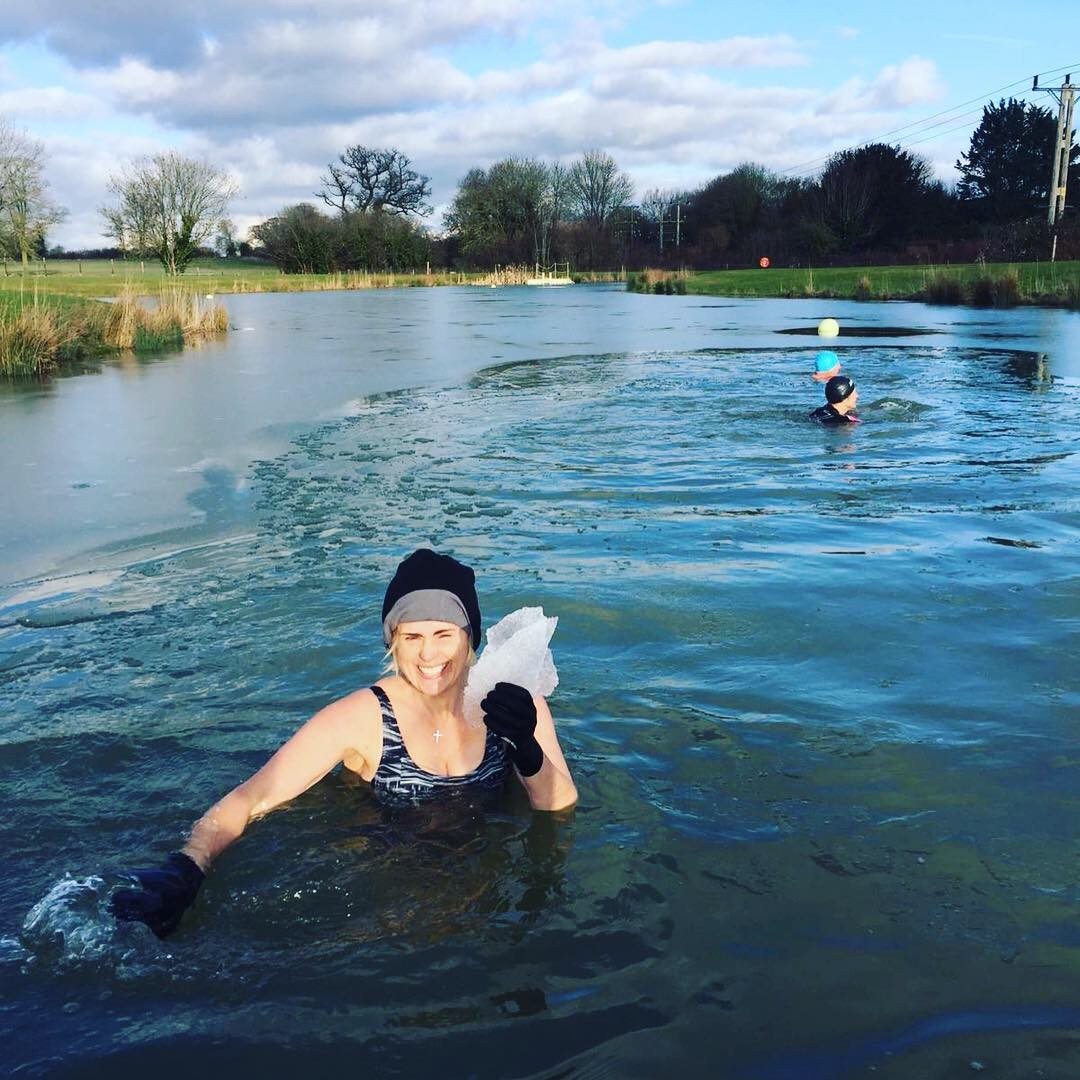 Author Anna, wild-swimming.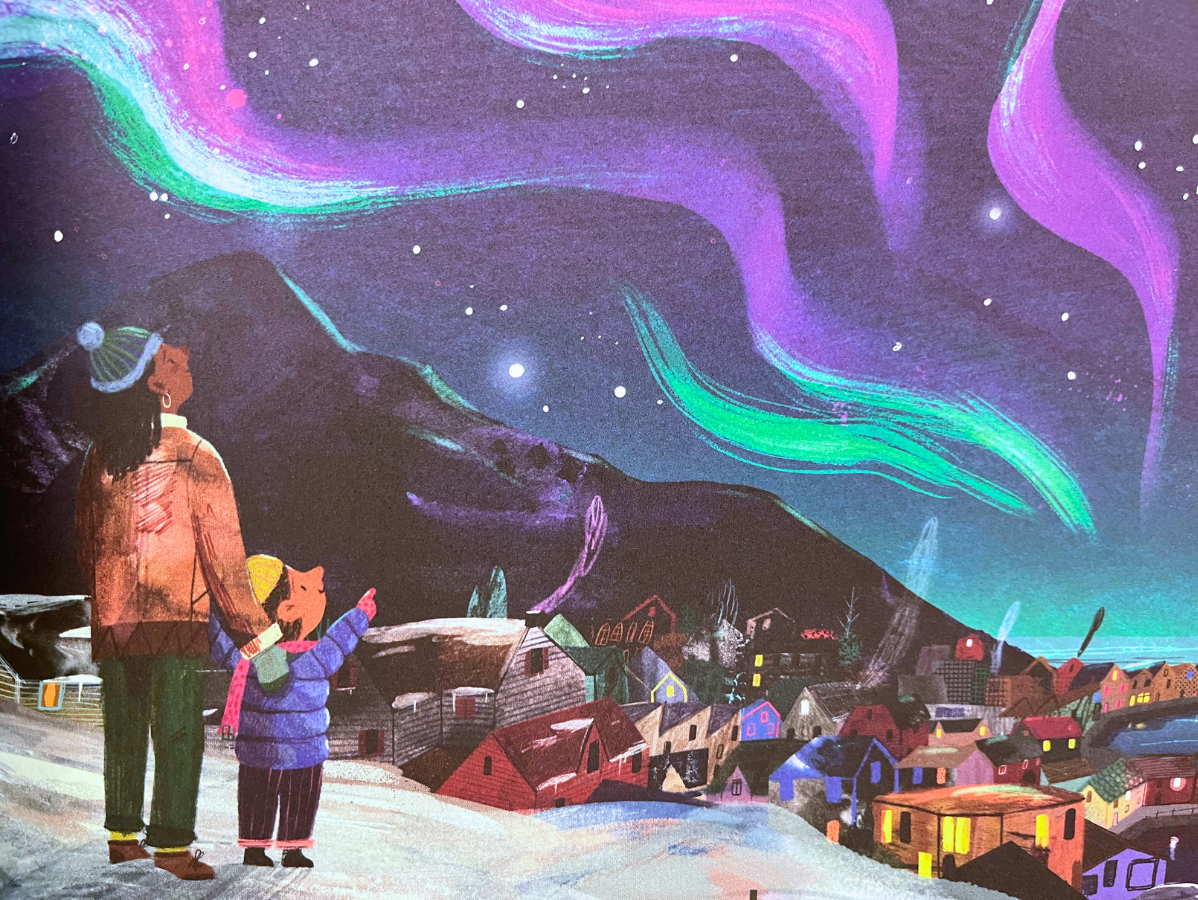
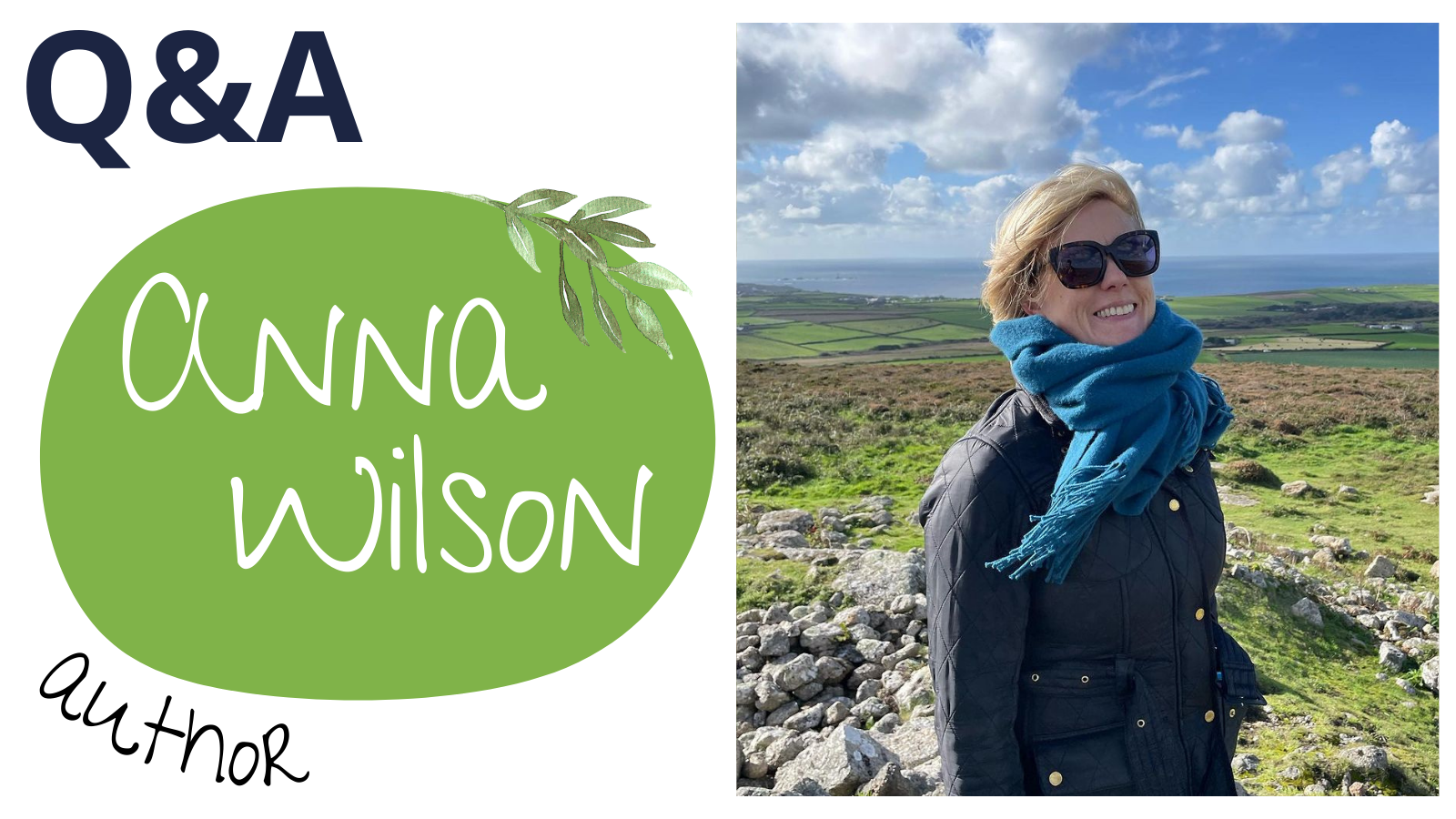
What part of nature mentioned in Shine Like the Stars do you feel connected to the most, and why? How does it help you understand your mental wellbeing?Anna: The water. I live by the sea so and I love swimming in it all year round. If I can’t get to the sea, I seek out a stream, river or lake. Water helps my wellbeing by shutting off my anxious thoughts - I find it calming as I listen to the it, watch the light on it, and feel the push and pull of the current. It is my form of meditation. It helps me understand that my emotions are passing feelings, not a permanent state – the sea is angry and dark one day and smooth and shining the next. Also there is so much wildlife sharing the water with me which is a good reminder that I am not the most important thing on the planet! I once swam with dolphins, quite by chance. Magical! Harry: Seeds, or trees, maybe? My favourite time of year is when the days are getting longer, the world is opening up and things are beginning to grow again. I feel drawn to that sense of optimism and the anticipation of good things to come. |
|
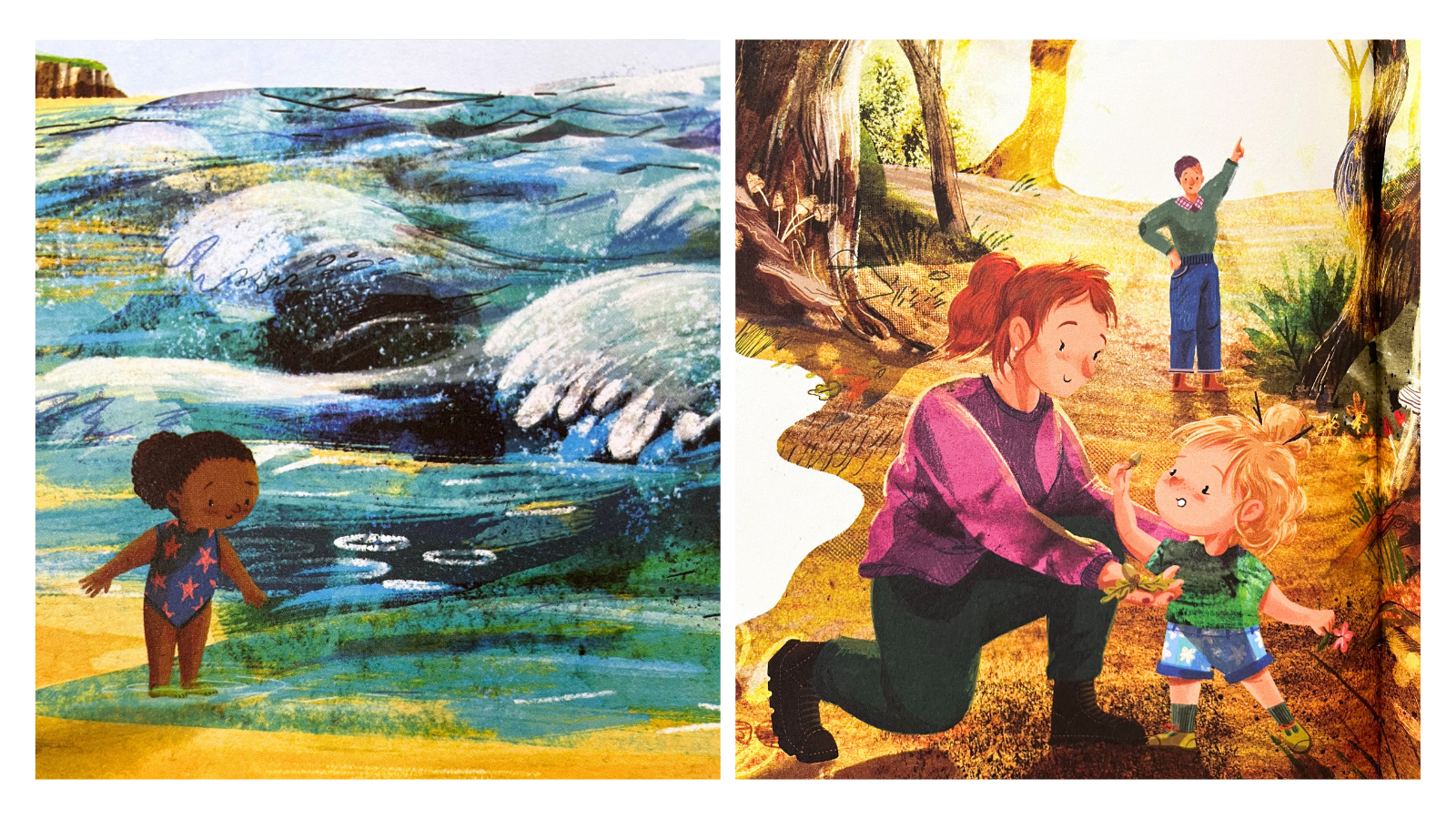
How do you connect with nature in the day-to-day, and how does it make you feel? What advice would you give to young readers about connecting with nature in the day-to-day?
Anna: I go out for a walk twice a day, wherever I am, even if it is only for a short while. I love walking around cities, just as much as in the country. There are always green places to find and I love people-watching (and dog-watching!) just as much as I love watching the seabirds and so on at home.
I cannot stand it if I can’t get outside. I feel twitchy and itchy and invariably get into a bad mood. A walk shakes off bad feelings, takes me out of my thoughts and makes me notice the rest of the world. And of course it’s good for your physical health too.
It’s also fun, because you start to think, “Look at that… I could write about that…” It’s easier to get ideas if you get out in the world than if you stay in all day staring at your computer screen!
Harry: Most often, I connect with nature by getting out into the countryside on my bike or by walking the dog. Being out in the fresh air almost always leaves me feeling more relaxed, energised and optimistic – except perhaps when I have to take the hound out in the pouring rain.
I think my advice for readers would be that there are plenty of small ways to connect with nature no matter where you live – caring for houseplants, planting pots or window boxes to attract pollinators, helping out at a community garden, or even just reading and learning about nature – so do what feels exciting and achievable for you.
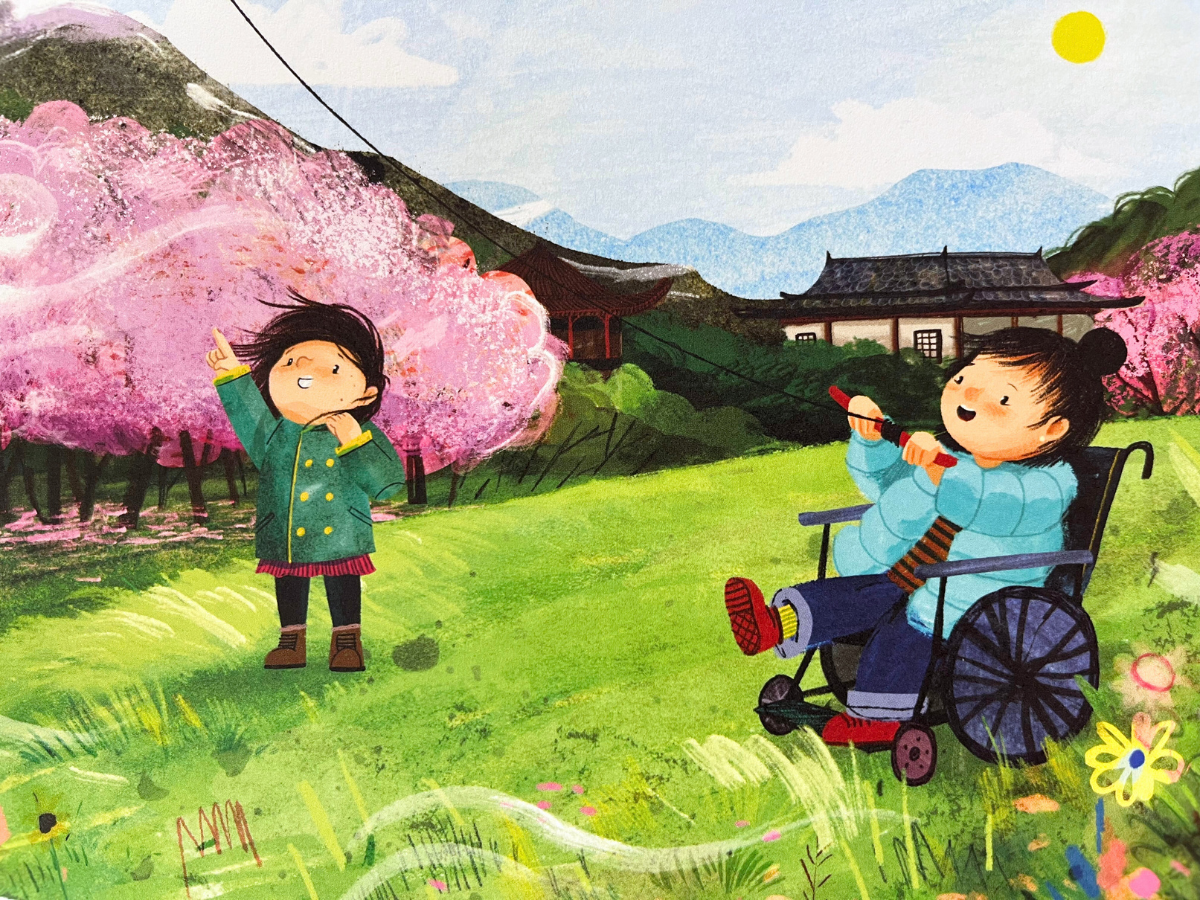
Illustration by Harry Woodgate. What can you do on a daily basis to connect with nature?
Ask your pupils if they have a part of nature they feel connected to, and why.
As a class, make a list of natural spots you can visit in the local area. For example, the local park, a river or canal, the seafront, etc.
Decide an everyday action you and your class can do to connect with nature, either individually or together.
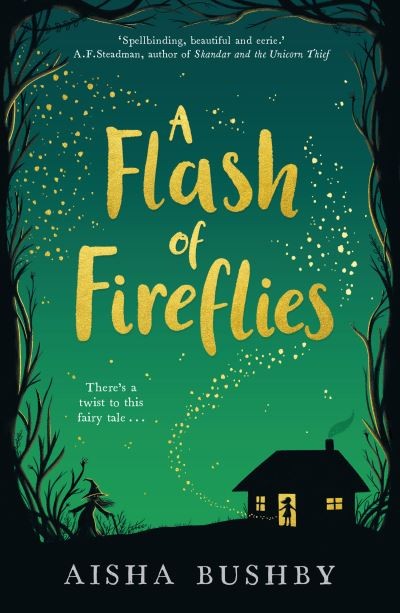
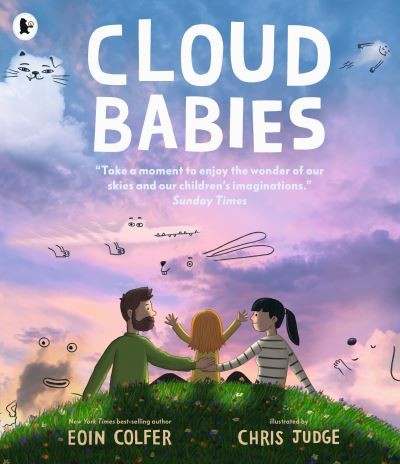
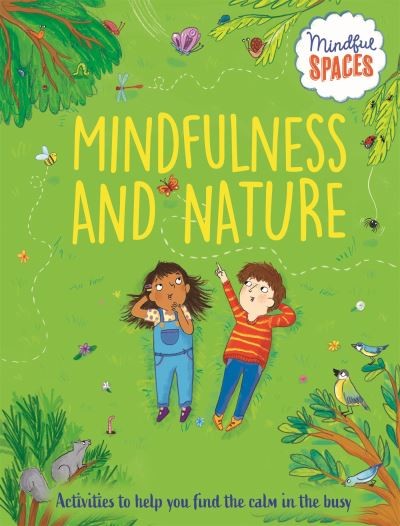
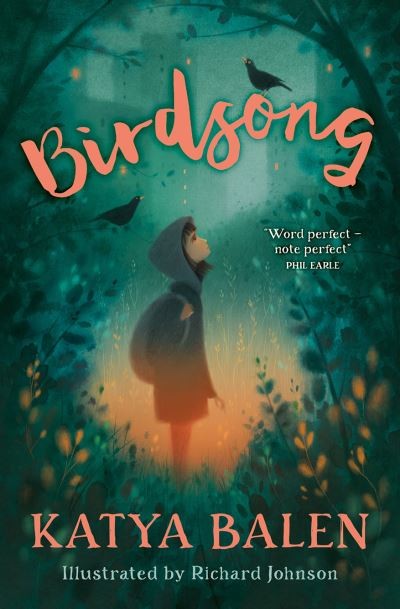
Carry on the conversation about connecting with the natural world with these inclusive books recommendations:
 |
 |
 |
 |
 |
see all children's mental health recommendations |
📚 READ NEXT: NATURE IN MIND - HIDDEN EMOTIONS AND GRIEF IN BENEATH
- hello@peters.co.uk
- 0121 666 6646
- Send a message
- Meet the team
- Peters Ltd
- 120 Bromsgrove Street
- Birmingham
- B5 6RJ