GO
Sorry, but you already have a basket with that name. Please use something else.
Are you sure you wish to delete this basket?()
This action cannot be undone.
Sorry, something went wrong
Please report the problem here.
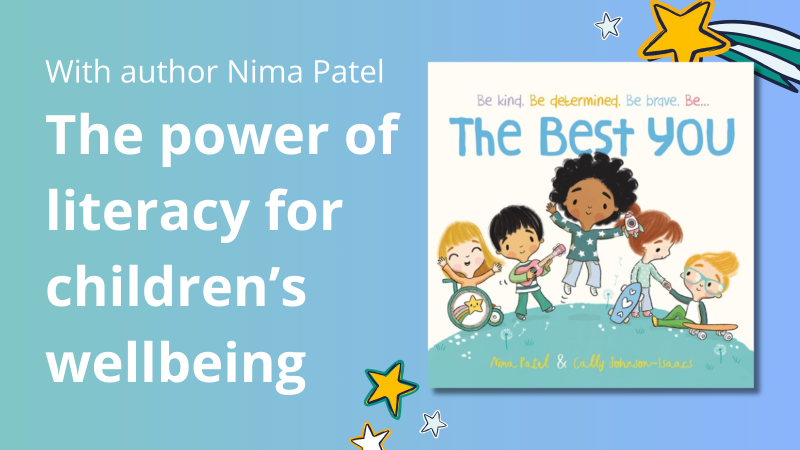
How can literacy improve children's wellbeing? With author Nima Patel
February 7th 2025
Many of us know that reading regularly has a positive impact on our mental wellbeing. And with the children and young people we work with, we want to encourage this habit at every stage of their literacy journey and emotional development.
Author and former primary school teacher Nima Patel champions children's mental wellbeing in her work and in her first picture book, The Best You. Alongside Cally Johnson-Isaacs' illustrations, Nima takes over our blog to explore how literacy and wellbeing are linked, and how we can use this link to help our children to thrive.
 |
Nima Patel | Author Nima Patel is a psychology graduate and former primary school teacher, who created the brand Mindful Champs in 2020 to encourage children to practice mindfulness. Her first picture book is The Best You, which focuses on teaching children who they want to be, rather than what they want to be when they grow up. |
How are literacy and children's wellbeing linked?
When you think of literacy, what do you think of? You might think of reading, or writing, or perhaps even spelling. But do you ever associate it with wellbeing?
Though it might not be the first thing you think of, the two are closely interlinked. Literacy extends far beyond teaching children how to read and write; it’s about fostering emotional safety. A child that feels emotionally safe, secure, and supported is more likely to engage deeply with stories, develop the emotional language required to express themselves, and build the confidence to thrive in literacy.
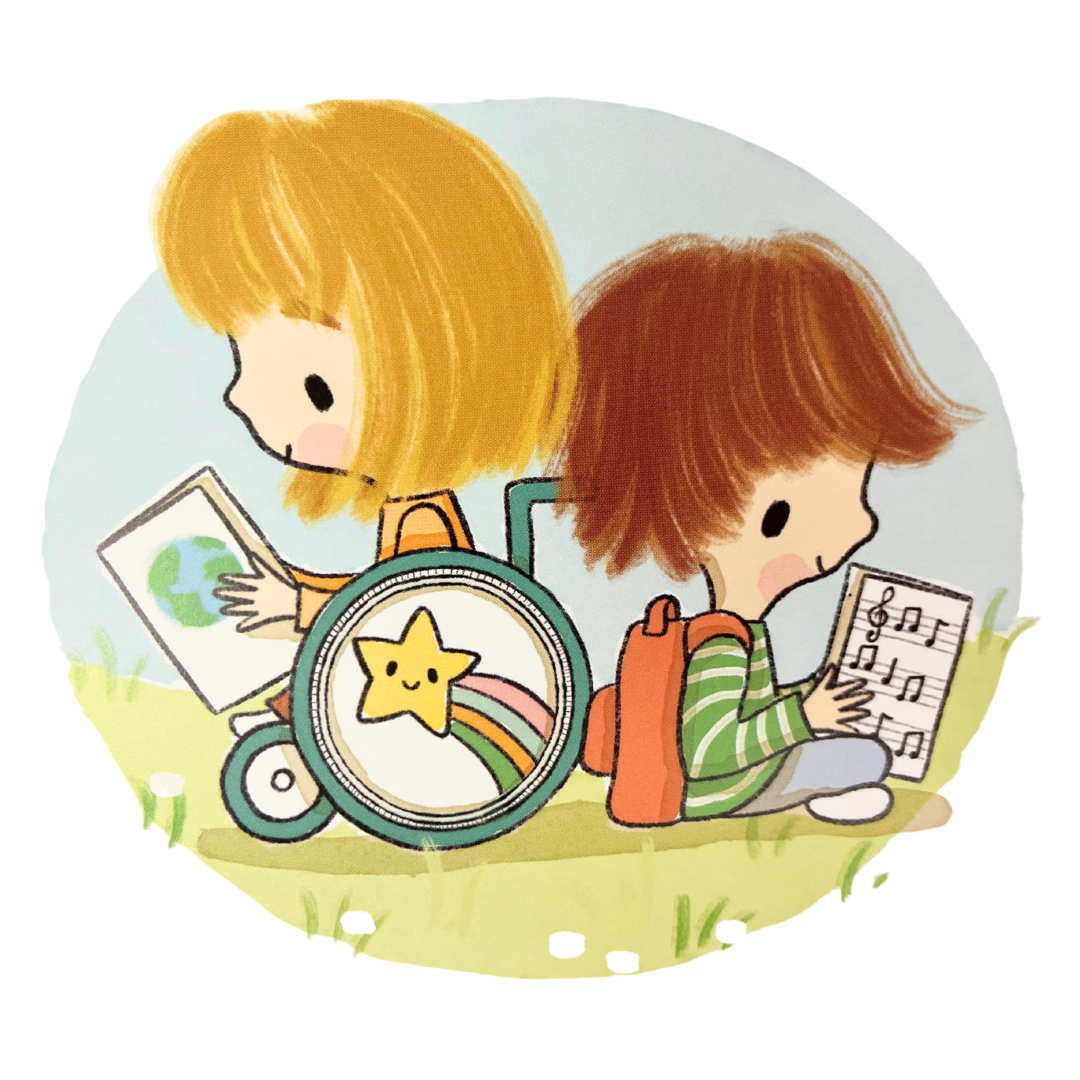 Why might children worry about reading?
I know this from personal experience. When I was a little, I was one of the slow readers in my class. Whenever it was time for group reading, I’d feel so anxious before my turn that instead of focusing on the content of the book, I’d spend all my energy worrying about how I’d sound when I came to read! Sometimes, I’d even jump a few pages ahead to figure out which paragraph I was going to read so I could practice it in my head before my turn.
By the time it was actually my turn, I didn’t feel immersed in the story at all - I was just hoping my reading sounded impressive! This experience really stuck with me because it wasn’t that I didn’t enjoy reading, but that the pressure of not feeling good enough meant I had begun to dread reading altogether.
| "A child's emotional and mental wellbeing is foundational to their ability to learn." |
Years later, when I became a teacher, I noticed a similar pattern in some of the children in my class. They seemed anxious when it came to their turn and would try to rush to get through their lines without actually understanding the words.
It became quite clear to me that a child’s emotional and mental wellbeing is foundational to their ability to learn. If a child feels stressed, anxious or insecure, it can decrease their capacity to concentrate and engage with the text in a curious way.
I wanted to remove the pressure of “performing” and instead create an environment where the children didn’t feel scared to take their time, ask questions, or explore the meaning behind the words – all of which are key components of literacy development.
How can literacy support children's wellbeing?It’s so important to prioritise literacy development alongside emotional wellbeing because they go hand in hand. In the same way that a lack of emotional wellbeing can hinder literacy development, literacy itself can also be a powerful tool to boost children’s confidence and support their wellbeing. Here’s a few ways how:
As children learn to read and write, they gain the vocabulary needed to articulate their feelings clearly. Books that explore a range of emotions or provide tools for emotional regulation can empower children to better understand their own experiences and nurture their own minds. Representation When children can see themselves reflected in the stories they read, they feel a sense of belonging in the world. This validation helps them to embrace their identity with pride and feel confident in celebrating their uniqueness. A diverse range of characters in stories can also help children foster empathy, connect with and relate to others. Understanding the world Stories that cover different perspectives, cultures, or challenging life situations can support children in broadening their view of the world, giving them the skills and emotional resilience needed to navigate their way in life. |
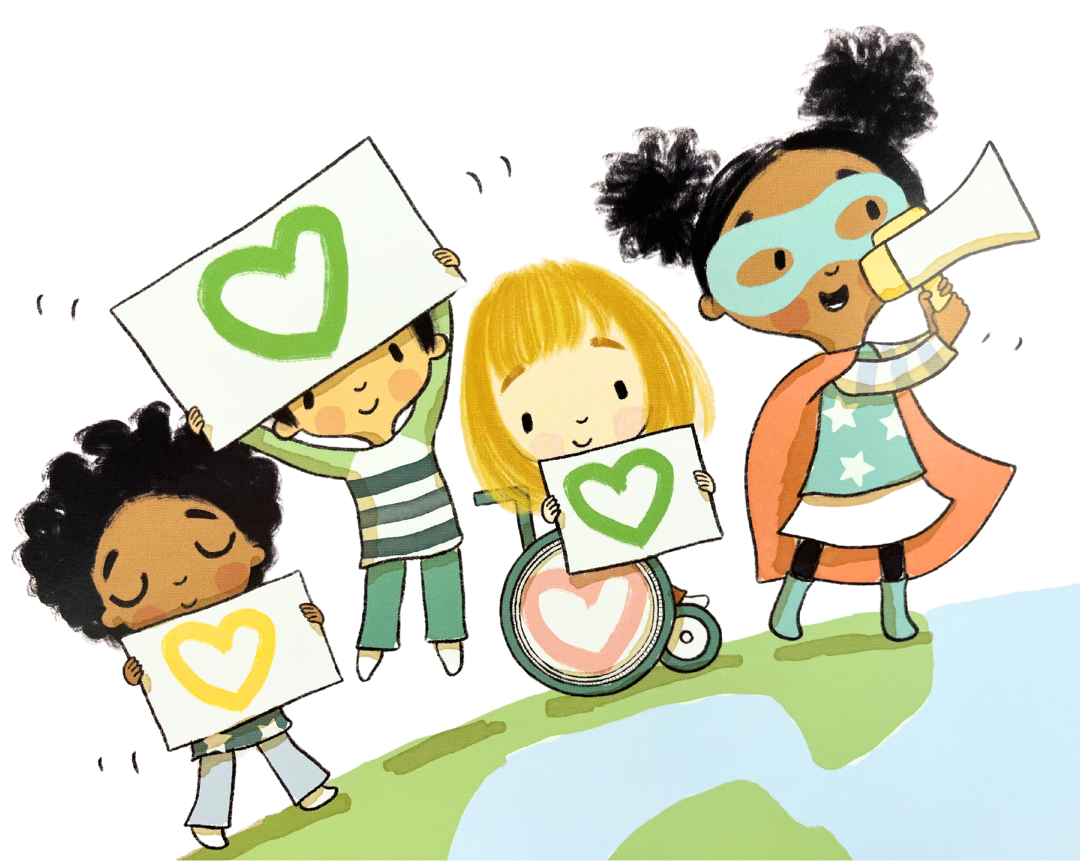 Emotional language development
Exploring literacy and children's emotional wellbeing in The Best You
This connection between literacy and wellbeing is reflected in my book, The Best You. The book aims to reframe the age-old question we ask children, ‘What do you want to be when you grow up?’ and instead encourage them to think about the far more important question, ‘Who do you want to be?’.
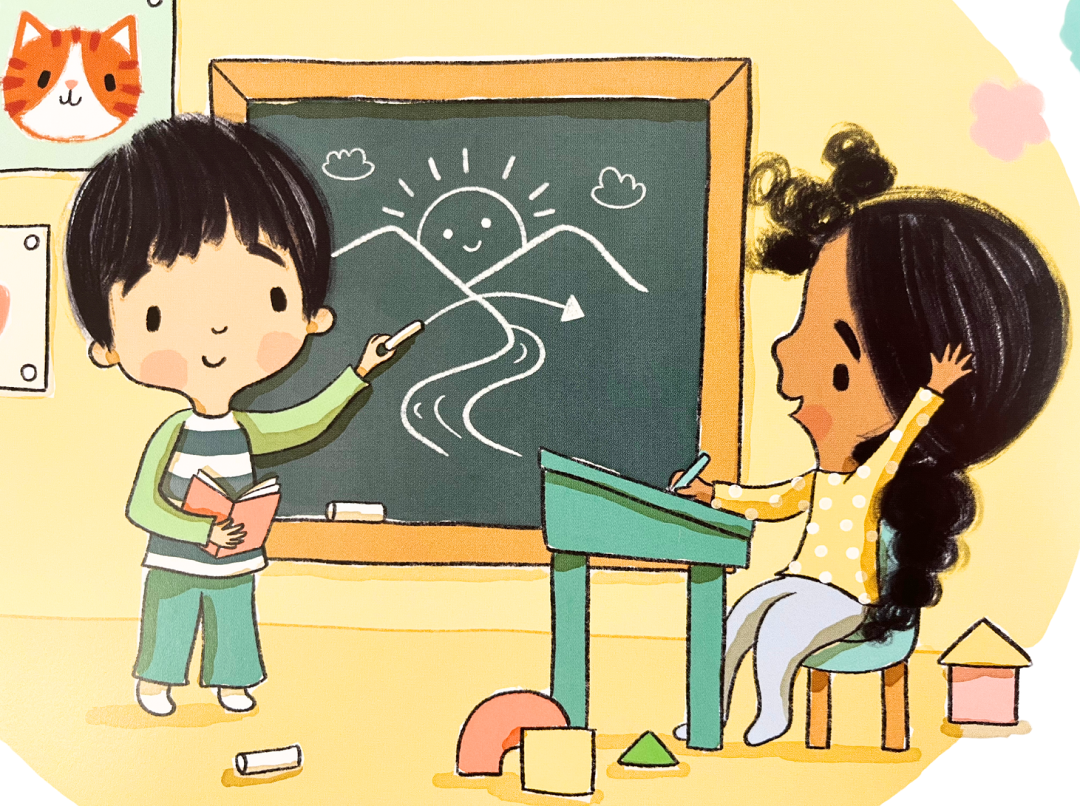
Through storytelling and Cally Johnson-Isaacs’ beautiful illustrations, we explore key traits like kindness, determination and bravery, so that children can build a strong sense of self. The strong focus on character development goes far beyond reading and writing and helps children to feel emotionally empowered to become the best versions of themselves.
| "Every book placed in a child's hand has the power to leave a lasting imprint, transform their life and shape their future in profound ways." |
Why is it important to link literacy and wellbeing?
Ultimately, when we recognise the important link between literacy and wellbeing, we can prioritise both. It’s not just about teaching children how to read words on a page, it’s about helping them to feel seen, understood and valued, in turn laying down a strong foundation for their success, happiness and growth. Every book placed in a child’s hand has the power to leave a lasting imprint, transform their life and shape their future in profound ways.
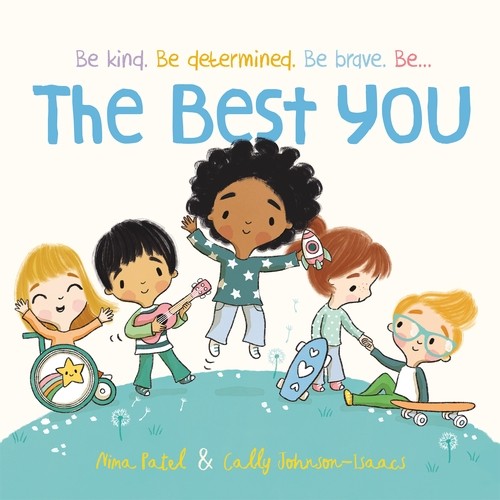 |
The Best YouFrom a firefighter's bravery and a teacher's fairness to the creativity of an artist, this book explores the different values which can make us the best versions of ourselves. Uplifting text and joyful artwork shows readers the importance of kind, strong, passionate and determined. What we need to succeed is already within us! £5.91 Save 26% |
More EYFS and Key Stage 1 book recommendations for mental wellbeing
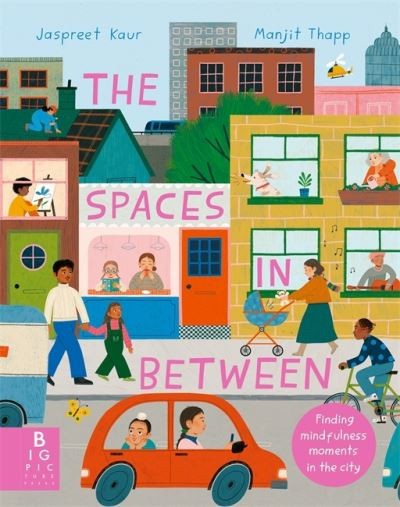
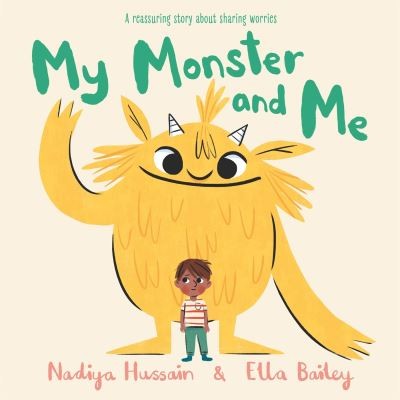
Looking for multiple books to boost your PSHE and wellbeing collections? We have specially designed core PSHE as well as mental health and wellbeing book packs for primary.
These packs are ideal for one-to-one and group discussion, covering a range of topics such as mental health, empathy, and mindfulness, and more. Browse our PSHE and wellbeing book packs.
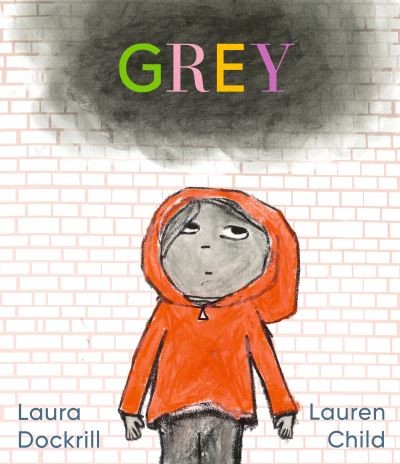 |
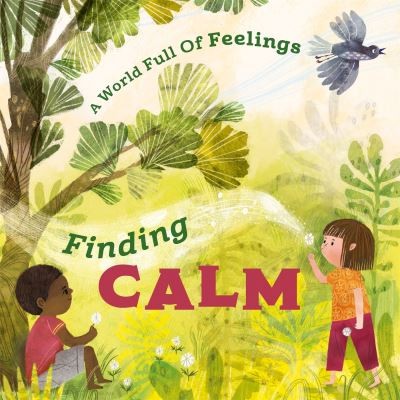 |
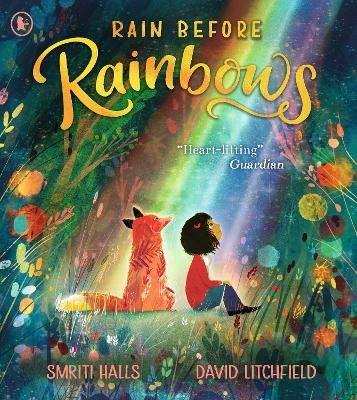 |
 |
 |
Continue reading top tips and advice for primary schools
|
5 actions in response to the National Literacy Trust's reading in 2024 report |
 |
- hello@peters.co.uk
- 0121 666 6646
- Send a message
- Meet the team
- Peters Ltd
- 120 Bromsgrove Street
- Birmingham
- B5 6RJ