GO
Sorry, but you already have a basket with that name. Please use something else.
Are you sure you wish to delete this basket?()
This action cannot be undone.
Sorry, something went wrong
Please report the problem here.
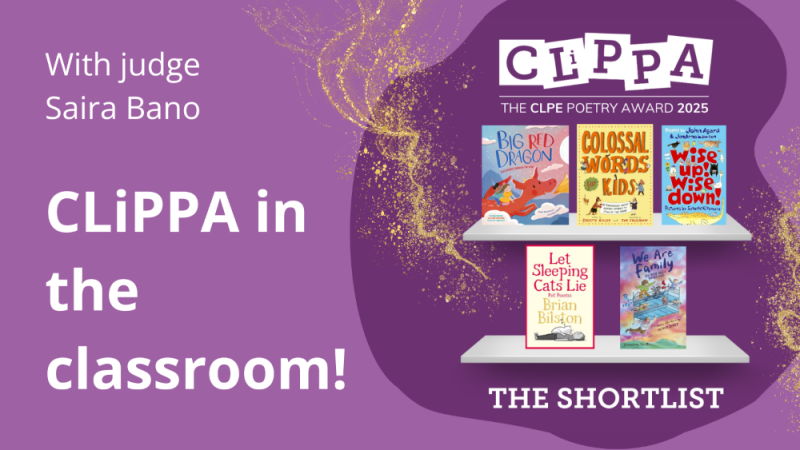
How to use the CLiPPA 2025 shortlist in your classroom, with judge and teacher Saira Bano
June 4th 2025
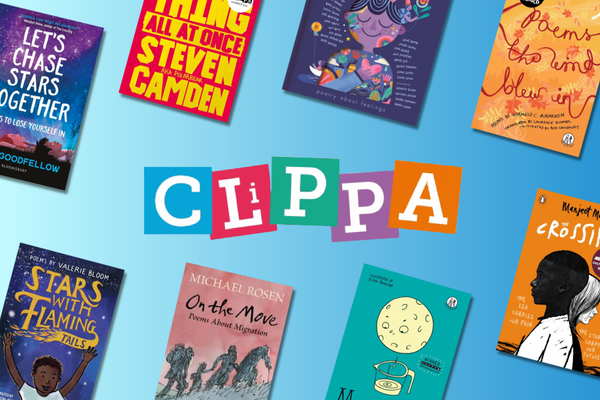
Excitement is building towards the winner announcement of the 2025 CLiPPA, CLPE Children's Poetry Award, on Friday 20 June. There's still time to excite your pupils with poetry and explore the wonderful books on the CLiPPA shortlist!
We're joined on the blog by primary school teacher and 2025 CLiPPA judge Saira Bano. Saira introduces this year’s shortlist, and suggests classroom poetry activities based on each shortlisted poetry collection.
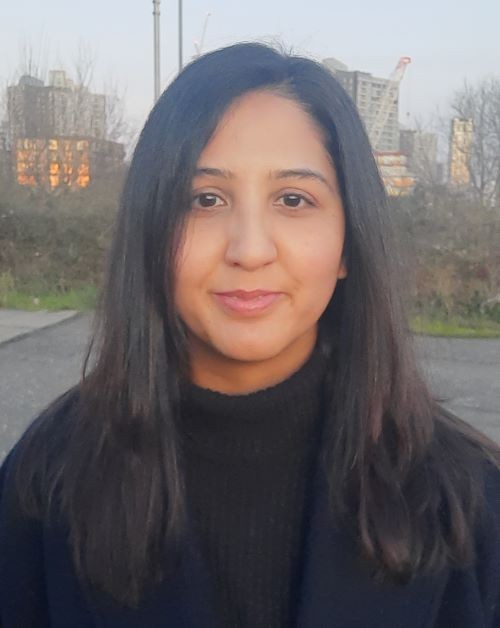 |
Saira Bano | Primary school teacher and CLiPPA judge Saira Bano is an English lead and Year 4 teacher at Thomas Buxton Primary school in Tower Hamlets. She has worked hard on developing reading for pleasure, oracy and vocabulary in her school and worked with the Tower Hamlets Oracy Hub to develop oracy within the whole borough. Saira worked with the CLPE and Michael Rosen on ‘Another Year of Poetry’ where she developed children’s engagement with poetry and researched ways to create a poetry friendly classroom. Saira is a published poet having successfully been included in two poetry collections at the age of 9 and 10. |
Why is poetry important for primary schools?
I have been a class teacher and English lead at Thomas Buxton Primary School for eight years. We are situated in Whitechapel, a diverse and vibrant area within the London Borough of Tower Hamlets. Due to our context, much of our focus for teaching and learning is on building literacy and communication skills and we have a strong focus on enrichment to support personal development.
My experience with CLPE has taught me that poetry is incredibly important in the primary classroom, not just as a literary form, but as a powerful tool for language development; emotional expression; fostering empathy and creativity; and helping children - and adults - make sense of the world and their place in it. The rich and often playful language found in poetry introduces young readers to new vocabulary and figurative expressions in a memorable and enjoyable way.
Poetry also plays a vital role in building oracy skills. Performing poems teaches children to speak with expression, pace, and clarity. These experiences build confidence and help children become more articulate speakers, which benefits them in all areas of learning and life.
Becoming a judge for CLPE's poetry award
For these reasons, I was so excited to be a judge on the panel this year, a role that has been incredibly rewarding and challenging.
We were highly impressed with all the collections we read, and we are incredibly excited to see how the shortlist will be embraced by teachers and children. We know that the collections will appeal to a range of interests and ages and can be used in so many ways.
How to use the CLiPPA shortlist in your classroom |
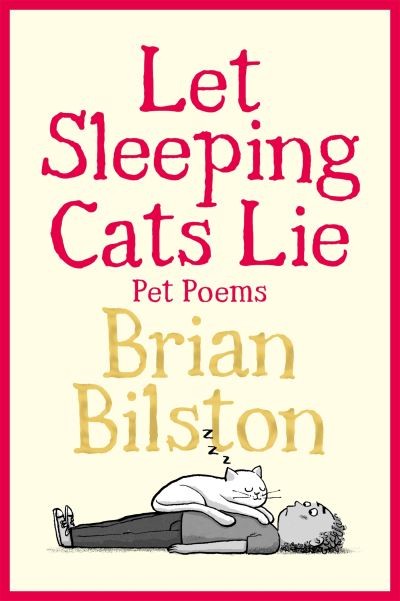
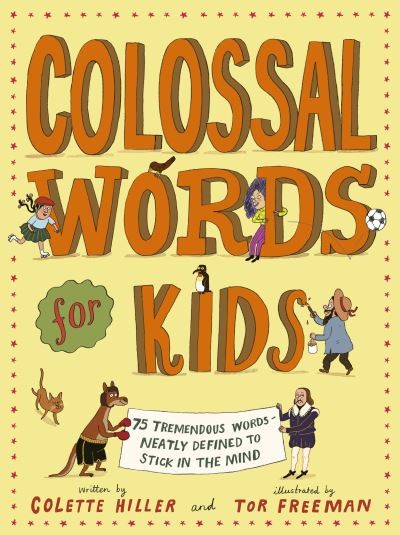
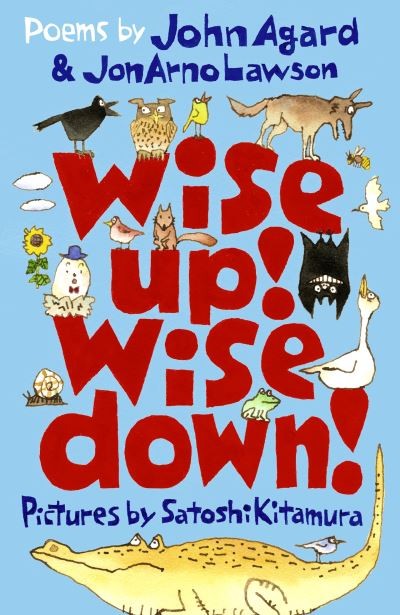
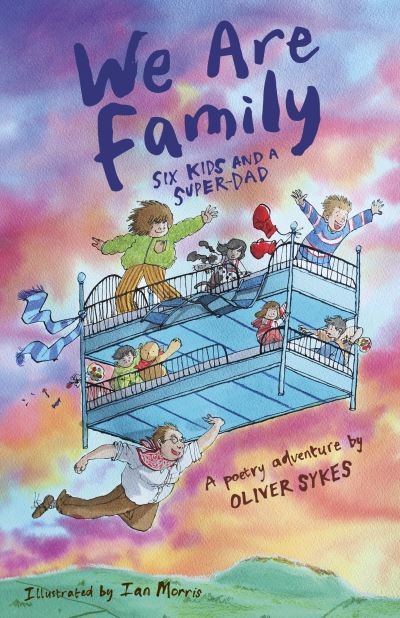
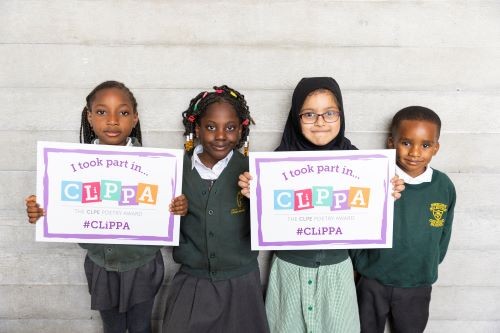
Why should schools get involved with the CLiPPA?
I would encourage all teachers to take part in the CLiPPA. While giving your children an unforgettable opportunity, it’s a great way to deepen your own engagement with children’s poetry.
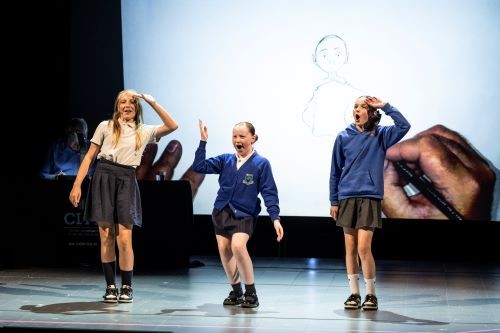
One of the most exciting things about the CLiPPA is how it celebrates performance. Encouraging children to learn and perform poems aloud brings the words to life. When I have incorporated poetry performing in the classroom, I’ve seen children grow in confidence, develop a deeper understanding of language, and find a real joy in expression. Even the most reluctant speakers often find a voice through poetry performance.
Through the CLiPPA, children will be exposed to rich, imaginative poetry, naturally leading to increased engagement in creative writing opportunities. The impact will be instant and enduring.
How to get involved with the CLiPPA
Inspire your pupils with poetry! The CLiPPA shadowing scheme allows teachers to access free teaching plans and video resources related to each shortlisted poetry collection, encouraging children to explore the shortlist and perform their favourite poems.
|
See previous year's CLiPPA winners and shortlisted collections |
Read our 6 reasons you should use poetry in the classroom |
- hello@peters.co.uk
- 0121 666 6646
- Send a message
- Meet the team
- Peters Ltd
- 120 Bromsgrove Street
- Birmingham
- B5 6RJ