GO
Sorry, but you already have a basket with that name. Please use something else.
Are you sure you wish to delete this basket?()
This action cannot be undone.
Sorry, something went wrong
Please report the problem here.
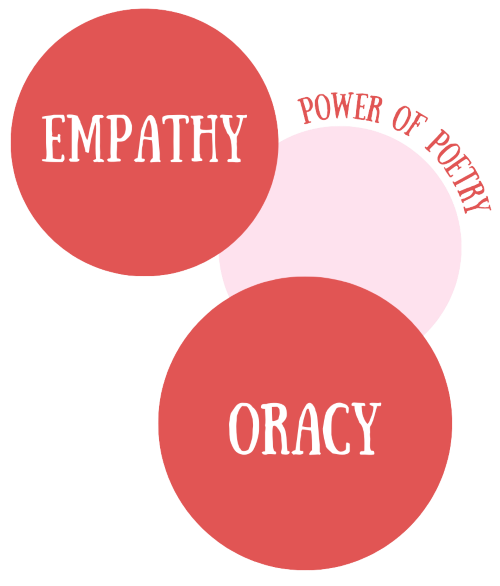
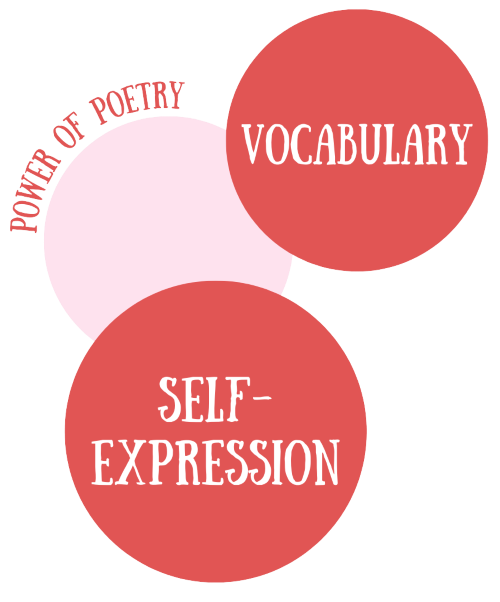
6 reasons poetry is powerful in primary schools
September 26th 2024
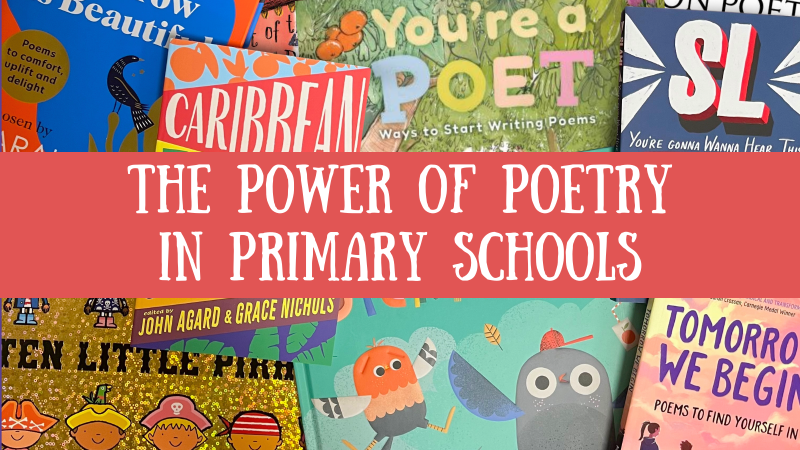
Poetry is a vital literary resource that schools can tap into to increase reading for pleasure, wellbeing and empathy skills. Children's Book Specialist Natalie gives 6 reasons why you should promote KS1 and KS2 poetry in the classroom. Plus, read our top ideas for making poetry a more prominent part of school life.
Looking for poetry advice for secondary schools? Read author Tia Fisher's blog on the power of verse novels in reaching reluctant readers.
 |
Natalie | Children's Book Specialist Natalie joined Peters after working with Upper KS2 and KS3 children as a school librarian. Prior to this, she completed an MSc in Information and Library Management and worked at the University of Birmingham’s library for over 10 years. As part of our review team, Natalie has access to the full breadth of the children’s book market and reads everything from picture books to older teen fiction. In her downtime, she enjoys reading mysteries and light popular fiction. |
What does The Reading Framework say about poetry?
The Reading Framework promotes the importance of poetry – it is mentioned 22 times, along with ‘poem’ which is mentioned 27 times, and ‘read aloud’ 64 times. Poetry is a vital part of a reading curriculum that builds pupil’s reading fluency, linguistic knowledge and knowledge of the world.
|
|
 4. Rhyming poetry supports early reading development
How to incorporate poetry into the school day
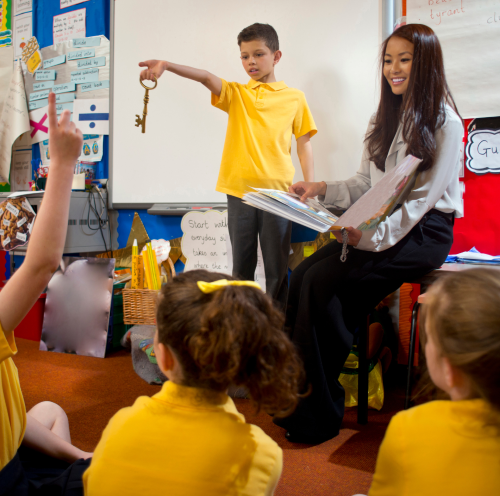
Make poetry a regular part of school life
Make steps to ensure all children in school have poetry regularly read to them. The length of poetry makes poems ideal for reading for pleasure – they can be squeezed into gaps in the day and as they don’t take much time they can simply be read without having to have a learning agenda attached to them. A daily or weekly poem chosen by the children for guided reading activities can help to engage them in the process.
Display and decorate using poetry
Create poem posters and put poetry in the school environment. Think creatively - you could have food related poems on the tables at lunchtime or put poems on the backs of toilet doors!
Explore the full breadth of "poetry"
Think broadly about what poetry is - include verse novels, song lyrics, and picture books for the whole school. Provide access to poetry in all its forms.
Refresh your poetry collections
Curate a collection of poems for schools as you would other book packs and collections, with engaging and up-to-date poetry which reflects the lives of your pupils. Here are some fantastic poetry collections for primary schools which came out this year:
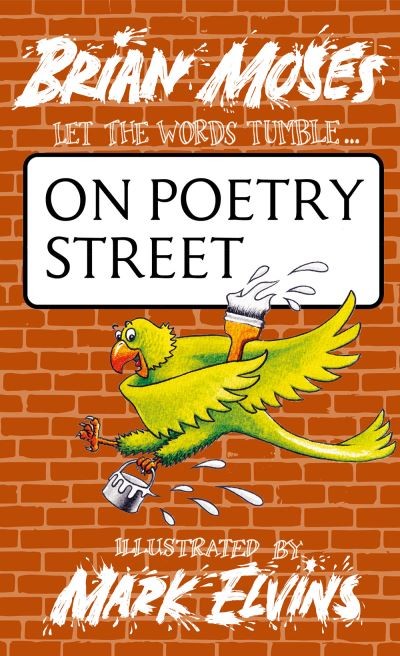 |
 |
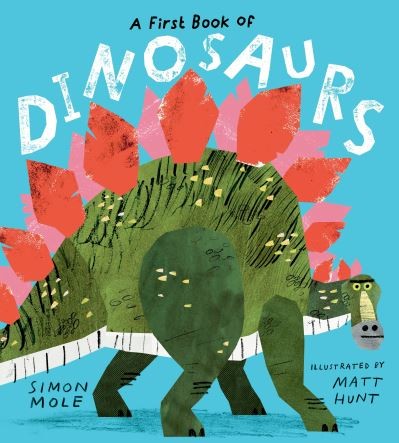 |
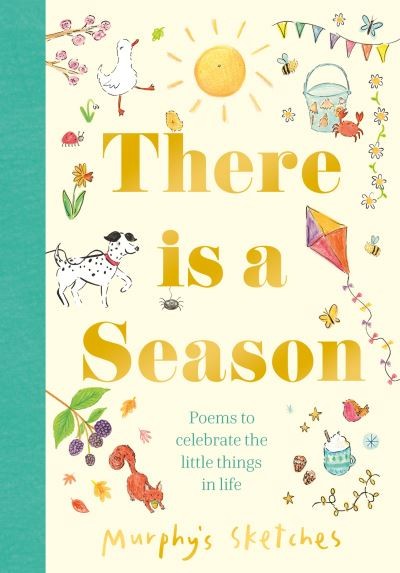 |
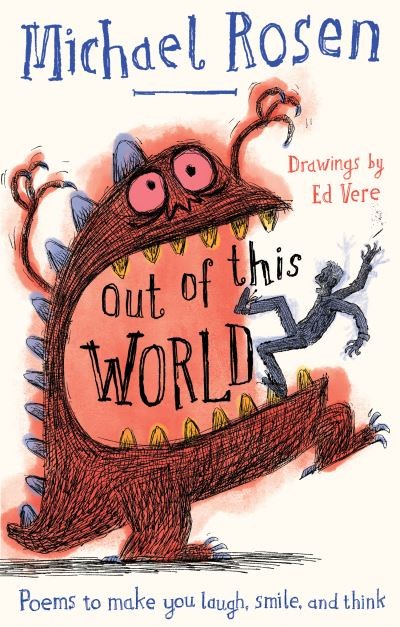 |
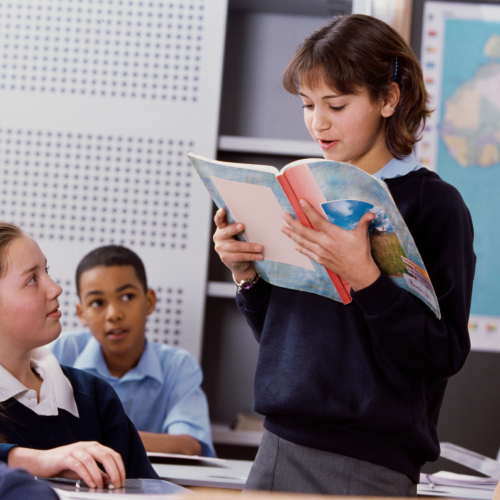 Create your own poetry collections
Make class poetry books and add them to the class collection. This could either be a collection of your pupil’s favourite poems, or even ones they have written for themselves.
Set up a poetry and spoken word club
Develop spoken poetry by running a poetry club or even a rap club. This helps pupils in a smaller group explore all facets of enjoying poetry – listening, performing and writing, and encourages the children to see themselves as creators and collaborators rather than just consumers.
Respond to topics using poetry
Write poetry in response to a book you’re reading. This helps to build empathy for the characters as well as a way of exploring the themes of the text in a different way.
Get pupils involved in the wider poetry world
There are organisations that allow you to take part in something bigger with poetry. The CLPE run a shadowing scheme as part of their annual award, the CLiPPA. Poetry by Heart is a national poetry speaking competition for schools and is a great opportunity to focus on the performance aspect of poetry.
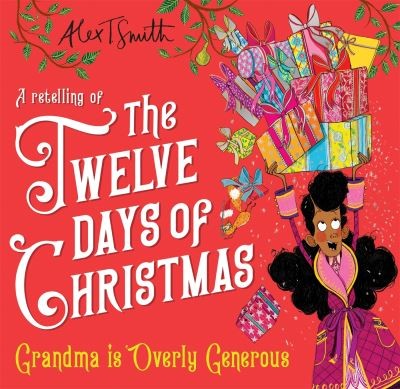
Celebrate National Poetry Day with poems for schools about 'Counting'
|
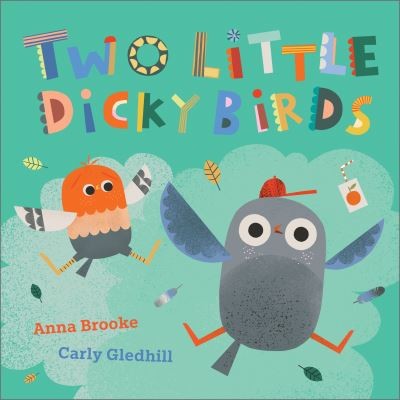
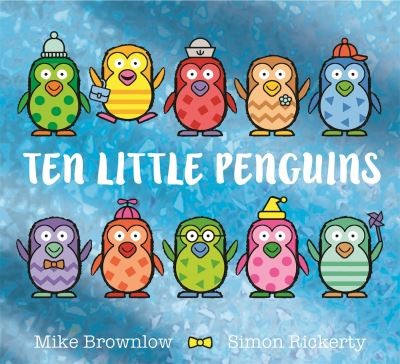
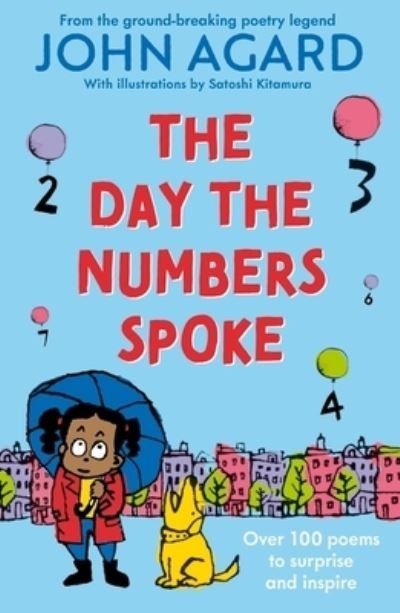

Additional resources and reading for poetry in primary schools
Telling the story: the English subject education report summary | March 2024's report summary on how English is taught, with a call for greater focus on writing and spoken language curriculums, from Ofsted
Telling the story: recommendations for schools | section of the March 2024 report offering recommendations for schools across curriculum and pedagogy, assessment and school systems, from Ofsted
Poetry Train | David Harmer and Roger Stevens' writing resources with example poems, activities and advice, from The Poetry Society
Poetry in Primary Schools| March 2023's research on the experience of teaching poetry, the knowledge of poetry, and how poetry is incorporated into the teaching day, from CLPE
Poetry in Primary Schools: What We Know Works booklet | a summary of Poetry in Primary Schools 2023 research which outlines the key approaches for creating a thriving environment for poetry in schools, from CLPE
The importance of poetry in schools | article exploring the benefits of teaching, learning, and exploring poetry in school, from Career Teachers
5 ways to play with nursery rhymes | article offering ways to play with the poetry tradition for Early Years, from TES
Nursery rhymes in Early Years | free resource to tie in with World Nursery Rhyme Week (11 to 15 November) including a printable poster, from National Literacy Trust
Former Waterstones Children's Laureate Michael Rosen: tips for a poetry friendly classroom | watch Michael Rosen's tips for bring poetry to life in your school, from Booktrust
|
|
Read next:Should more time be given to creative arts in the school curriculum? |
|
 |
- hello@peters.co.uk
- 0121 666 6646
- Send a message
- Meet the team
- Peters Ltd
- 120 Bromsgrove Street
- Birmingham
- B5 6RJ