GO
Sorry, but you already have a basket with that name. Please use something else.
Are you sure you wish to delete this basket?()
This action cannot be undone.
Sorry, something went wrong
Please report the problem here.
Should more time be given to creative arts in the school curriculum?
September 23rd 2024
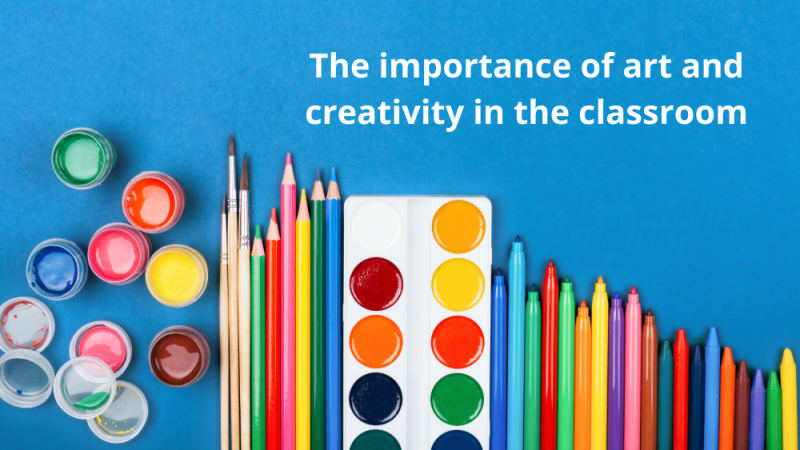
With both primary and secondary schools under pressure, whether it's due to time or budget constraints, arts provision and its inclusion in the curriculum is often one of the first to be cut or diminished. However, the benefits of arts education is numerous for both the individual student and the wider school community.
Children's Book Specialist Zeena coordinated the arts provision in her school for 11 years and understands the importance of creativity in teaching and learning. She dives into the decline in schools' arts provision, the benefits of creativity in the classroom, and what you can do to improve your school's creative arts provision.
 |
Zeena | Children's Book Specialist Zeena was a junior school teacher for 34 years before joining Peters Bookshop. She has also tried a variety of other jobs including nannying, ICT, financial consultancy, and even managing a diet clinic on Harley Street, but teaching was the only thing to give her real job satisfaction. She joined the Peters team in early 2019 and is having lots of fun reading picture books! |
The requirements
The Department of Education states that:
"Art, craft and design embody some of the highest forms of human creativity. A high-quality art and design education should engage, inspire and challenge pupils, equipping them with the knowledge and skills to experiment, invent and create their own works of art, craft and design. As pupils progress, they should be able to think critically and develop a more rigorous understanding of art and design. They should also know how art and design both reflect and shape our history, and contribute to the culture, creativity and wealth of our nation."
Creative arts subjects like music, art, drama and design and technology are considered essential for a well-rounded education.
Some reports suggest that creative arts should ideally make up around 10-15% of the primary curriculum and secondary curriculum to ensure a balanced education.
The decline
Despite this, many schools have been reducing the time allocated to these subjects due to various pressures, including an increased focus on core academic subjects and funding constraints. When headteachers have difficult decisions to make about where to direct their resources, often the arts are the first subjects to suffer.
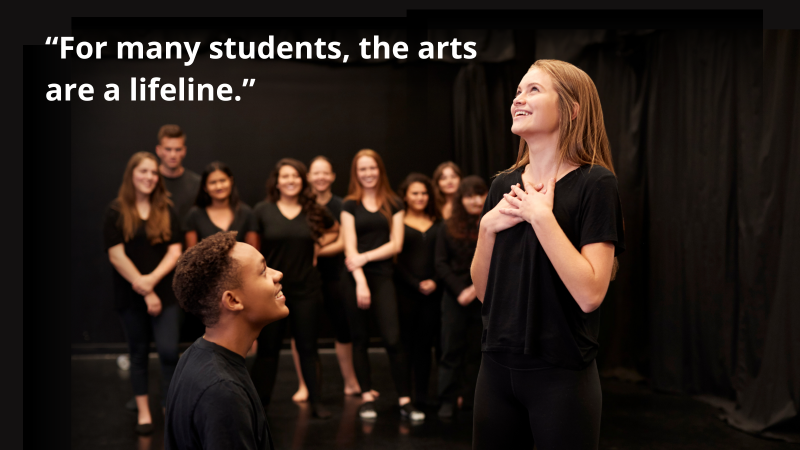
According to the National Society for the Education of Art and Design, the number of hours that art and design are taught in state schools declined by 16.5% between 2012 and 2017. Statistics published in August 2018 by the Cultural Learning Alliance show that the total number of children studying an arts subject to GCSE in England was down 35% since 2010. Consequently, this slump in the teaching of the arts is having detrimental effects on the general health and wellbeing of all pupils. For many students, the arts are a lifeline.
In an ideal world, a diverse and stimulating arts education would sit alongside and enrich the study of core "academic" subjects, with neither at the expense of the other – and, in the highest attaining schools, this is often the case.
The evidence
There are many significant benefits of an arts education to the wellbeing of the individual, and its role in social mobility.
Research carried out by the Cultural Learning Alliance shows that students from low-income families who take part in arts activities at school are three times more likely to get a degree, twice as likely to volunteer and 20% more likely to vote as young adults; children who take part in arts activities in the home during their early years are ahead in reading and maths at age nine; and people who take part in the arts are 38% more likely to report good health. Schools that integrate arts across the curriculum, have shown consistently higher average reading and mathematics scores compared to similar schools that do not.
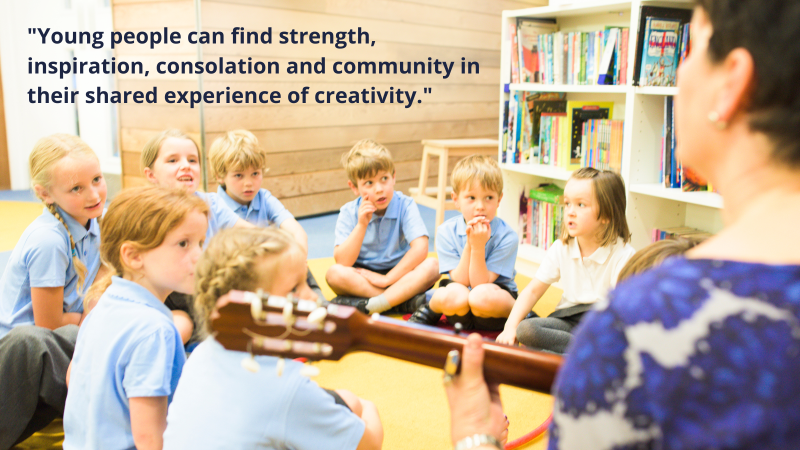
At a time when the mental health of children and young people is of concern, there is ample evidence of the value and importance of creativity in supporting wellbeing. Young people can find strength, inspiration, consolation and community in their shared experience of creativity.
When school and exam pressures lead to stress, the arts become the only subject that pupils can look forward to knowing that it offers a release and doesn’t further add to their anxiety levels.


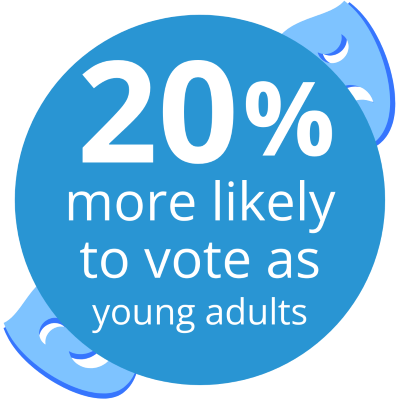
Statistics from the Cultural Research Alliance. Find out more here.
The benefits
Creative arts are essential in the school curriculum for several reasons:
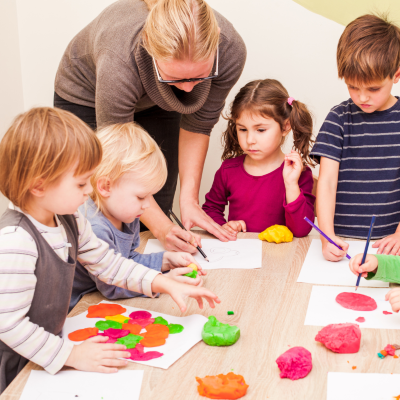 Developing creativity and innovation: Engaging in creative arts helps pupils develop their imagination and innovative thinking. These skills are valuable not only in artistic fields but also in problem-solving and critical thinking across various disciplines.
- Enhancing emotional expression: Creative arts provide pupils with a means to express their emotions and experiences. This can be particularly beneficial for mental health and emotional well-being, offering an outlet for stress and anxiety.
- Developing motor skills: Activities like drawing, painting and playing musical instruments enhance fine motor skills and hand-eye co-ordination, which are important for overall physical development.
- Understanding cultural awareness and appreciation: Through the study of different art forms, students gain insights into various cultures and histories, fostering a greater understanding and appreciation of diversity.
- Boosting academic performance: Research has shown that pupils who participate in the arts often perform better academically. The skills learned in creative arts, such as discipline, focus and perseverance, can translate into improved performance in other subjects.
- Building confidence and self-esteem: Successfully creating a piece of artwork or performing in front of an audience can significantly boost a pupil’s confidence and self-esteem, encouraging them to take on new challenges.
- Promoting collaboration and teamwork: Many creative arts activities, such as drama and music ensembles, requires pupils to work together, promoting teamwork and collaboration skills.
The impact of creative arts on poor behaviour
The creative arts can play a significant role in improving behaviour in schools by providing pupils with constructive outlets for their emotions and energy.
By integrating creative arts into the school curriculum and extracurricular activities, schools can create a more positive and engaging environment that helps reduce bad behaviour and supports pupils’ overall, helping with other areas such as developmental reading and writing.
- Willing to participate: Hands-on and enjoyable learning experiences can make students more willing to participate and less likely to misbehave.
- Expressing emotions: Creative arts allow pupils to express their emotions in a healthy way, which can help manage feelings of frustration or anger.
- Developing empathy: Activities like acting can help pupils develop empathy by putting themselves in others’ shoes, which can help reduce bullying and improve social interactions. Drama and role-playing can help students to understand social relationships and complex emotional issues, leading to better behaviour.
- Creating a supportive environment: Arts programmes can create a more inclusive and supportive school environment where pupils feel valued and understood.
- Reducing stress: Engaging in creative activities can reduce stress and anxiety leading to a calmer and more focused classroom.
- Building self-confidence: Success in arts activities can boost pupils’ self-confidence and self-esteem, making them less likely to seek attention through negative behaviour.
- Feeling a sense of accomplishment: Completing an art project or performing in a play gives pupils a sense of accomplishment, which can positively impact their overall behaviour.
- Improving attendance: Schools with strong arts programmes often see improved attendance, as pupils are more motivated to come to school.
How to improve provision of creative arts in your school
The evidence is clear that Music, Art & Design, Drama and Dance bring tangible, valuable and long-lasting benefits. So, what practical steps can you take to improve the prominence and profile of the arts at your school?
Here are some strategies to consider:
- Curriculum integration: Integrate arts into other subjects to create interdisciplinary projects that make learning more fun and engaging.
- Creative challenges: Incorporate art challenges and prompts into the curriculum to stimulate creativity.
- Clubs and workshops: Offer a variety of after-school clubs and workshops that cater to different artistic interests such as drama, music, dance and the visual arts.
- Guest artists: Invite local artists to conduct workshops or give talks, providing pupils with exposure to professional practices.
- Access to materials: Ensure that pupils have access to quality art materials and equipment.
- Dedicated spaces: Create or improve dedicated spaces for art activities, such as studios or performance areas.
- Partnerships: Form partnerships with local arts organisations and cultural institutions to provide pupils with additional opportunities and resources.
- Showcase events: Organise events like art exhibitions, talent shows and performances to celebrate pupils work and involve the wider community.
- Teacher training: Provide ongoing professional development for teachers to enhance their skills in delivering arts education.
- Creative leadership: Encourage school leaders to champion the arts and integrate creative thinking into the school’s vision and policies.
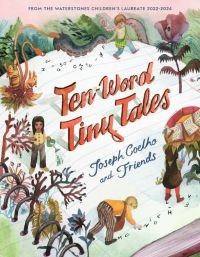
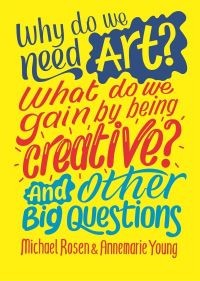
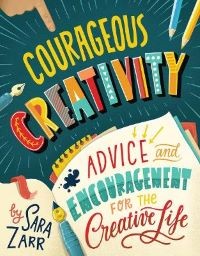
Recommended books for teachers to inspire and develop students' creativity
|
Ten Word Tiny Tales |
The First Drawing |
Why do we need art? |
Courageous Creativity |

Need help? Get in touch with usIf you're looking to build a collection of books which support different Arts activities and subjects like Art & Design, Music, Drama and more, our team of Children's Book Specialists and Librarians at Peters Bookshop can support you. Learn more about bespoke selections, or contact us to receive book advice, recommended books for teachers, and selection support. |
|
|
Read next:Supercharge your school's reading with comics and graphic novels |
|
 |
- hello@peters.co.uk
- 0121 666 6646
- Send a message
- Meet the team
- Peters Ltd
- 120 Bromsgrove Street
- Birmingham
- B5 6RJ