GO
Sorry, but you already have a basket with that name. Please use something else.
Are you sure you wish to delete this basket?()
This action cannot be undone.
Sorry, something went wrong
Please report the problem here.
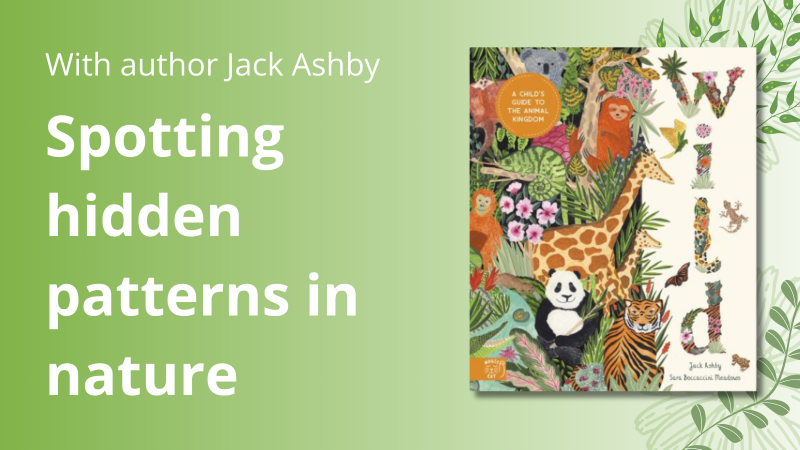
Encourage pupils to spot patterns in nature this summer with Wild’s author Jack Ashby
May 6th 2025
Nature play a vital role in shaping the imagination and curiosity of children, encouraging exploration and a connection to the outdoors and wildlife. Author Jack Ashby's debut children's book, Wild is a fun children's guide to the animal kingdom. Join us as we embark on an exciting adventure through the pages of Wild.
On our blog, Jack shares tips for spotting patterns in nature and fun facts to expand your knowledge of the animal kingdom, enriching your outdoor experiences.
|
Jack Ashby | Author Jack Ashby is an award-winning author and Assistant Director of the University Museum of Zoology, Cambridge. He studies the amazing mammals of Australia, both in the museum and out in the field, working on conservation projects there each year. His new debut children's book, Wild explores the rich diversity of the animal kingdom. |
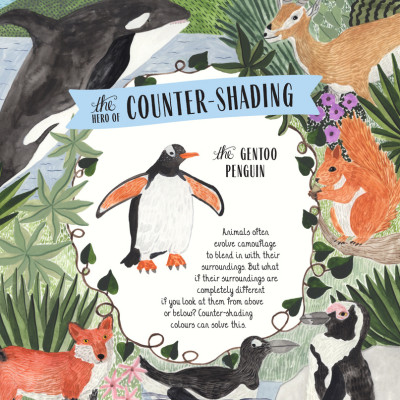
Share the joy of discovering wildlifeHave you ever wondered why penguins all have dark backs and white bellies, just like killer whales… and squirrels? One of the greatest joys of watching wildlife – whether its in a local park or garden, or in the wildest natural habitat, or even on TV – is how it sparks questions about what animals are actually up to when they go about their business, or why they look the way they do. When children ask me for tips for wildlife-watching, one of the key things I tell them is to be curious about what they are looking at – even if it’s with a species you’ve seen a thousand times before: to ask yourself what’s different or special about whatever species you’ve found, and try and work out why. How to notice patterns in natureIf I spot something I think stands out about an animal, I try and think of other animals that have the same feature, to help me imagine what that feature might be for. If animals share the same adaptation, what are they all doing with it? |
© Sara Boccaccini Meadows |
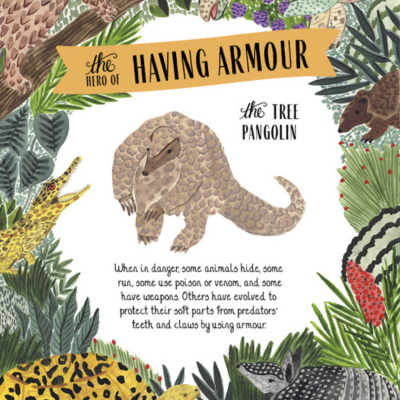
I wrote Wild: A Child’s Guide to the Animal Kingdom to encourage young readers to look for patterns in nature, and to show how the same adaptations have appeared over and over again in completely different groups of animals.
© Sara Boccaccini Meadows |
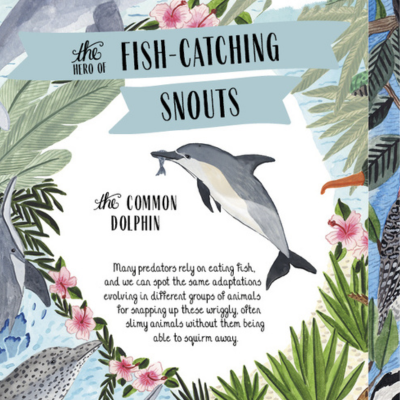
Explore differences and similarities in animalsI work in one of the UK’s largest natural history museums. Museums are unusual places as they bring together species that aren’t normally found side by side, which helps us think about them together – to compare similarities and differences, and ask how and why those similarities came about. Some animals are similar because they’re closely related. Crocodiles and alligators, for instance, both have their eyes and noses on tops of their heads as they both belong to the same group of reptiles – they inherited their shared looks from the same ancestor (the same reason I look like my cousins). But other animals are similar because they have evolved to do the same thing, separately. That same crocodilian feature is also found in hippos, beavers and frogs. Although they belong to very different groups of animals, their noses and eyes sit on top of their heads. This is because they all have something in common: they live in water but need to see and breathe above water. |
"I hope that this book encourages readers to look closely at nature, to spot other examples and patterns where species which are different in many ways, but also have something important in common. And then work out why." |
Behind the pages of Wild: exploring animal adaptationsIn Wild, each chapter introduces a given adaptation with a “hero” animal that has that feature to help think about what it’s for, and then introduces several other animals that do exactly the same thing. Some adaptations are not so obvious as defensive spines – like the colour of penguins and killer whales. Many aquatic animals are dark above and light below. These opposing colours both provide camouflage, but from opposite directions – for any predators or prey swimming above the animal, its black back hides it against the dark of the option depths; but for anything swimming below, the white belly blends into the light from the surface. They are hidden from whatever way you look at them in the 3D-habitat of the water. But similar patterns are found also found on land. In squirrels, foxes and deer, for instance, because they help animals blend in by cancelling out the effects of sunlight: the parts that face upwards are dark to stop them standing out by appearing shiny, and the lower parts are light to reduce the appearance of shadows. Encourage children to dive into the animal kingdom with Wild: |
© Sara Boccaccini Meadows |
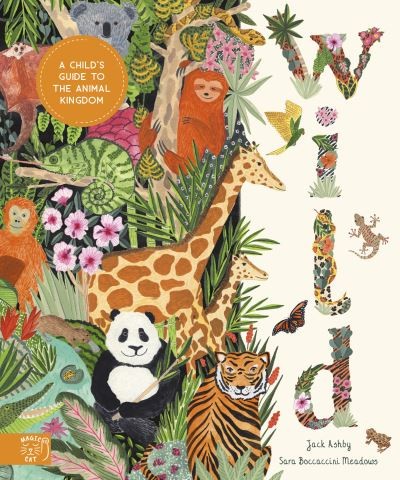 |
WildMeet dozens of creatures with extraordinary abilities, then understand how they have adapted to thrive in the wild. Discover the endless teeth of a great white shark, learn how bats can 'see' in the dark and understand why gentoo penguins are so cleverly coloured. £12.57 Save 26% |
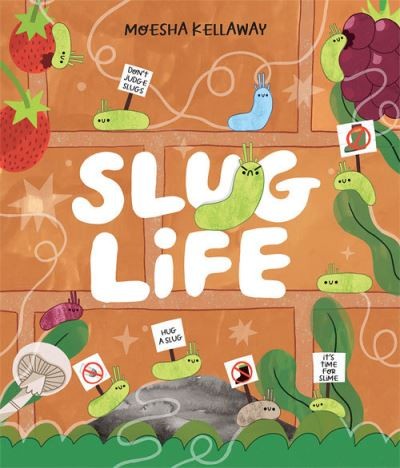
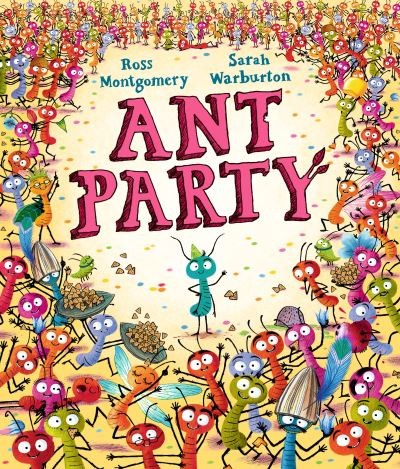
Our recommendations: quirky books about nature
 |
 |
 |
 |
 |
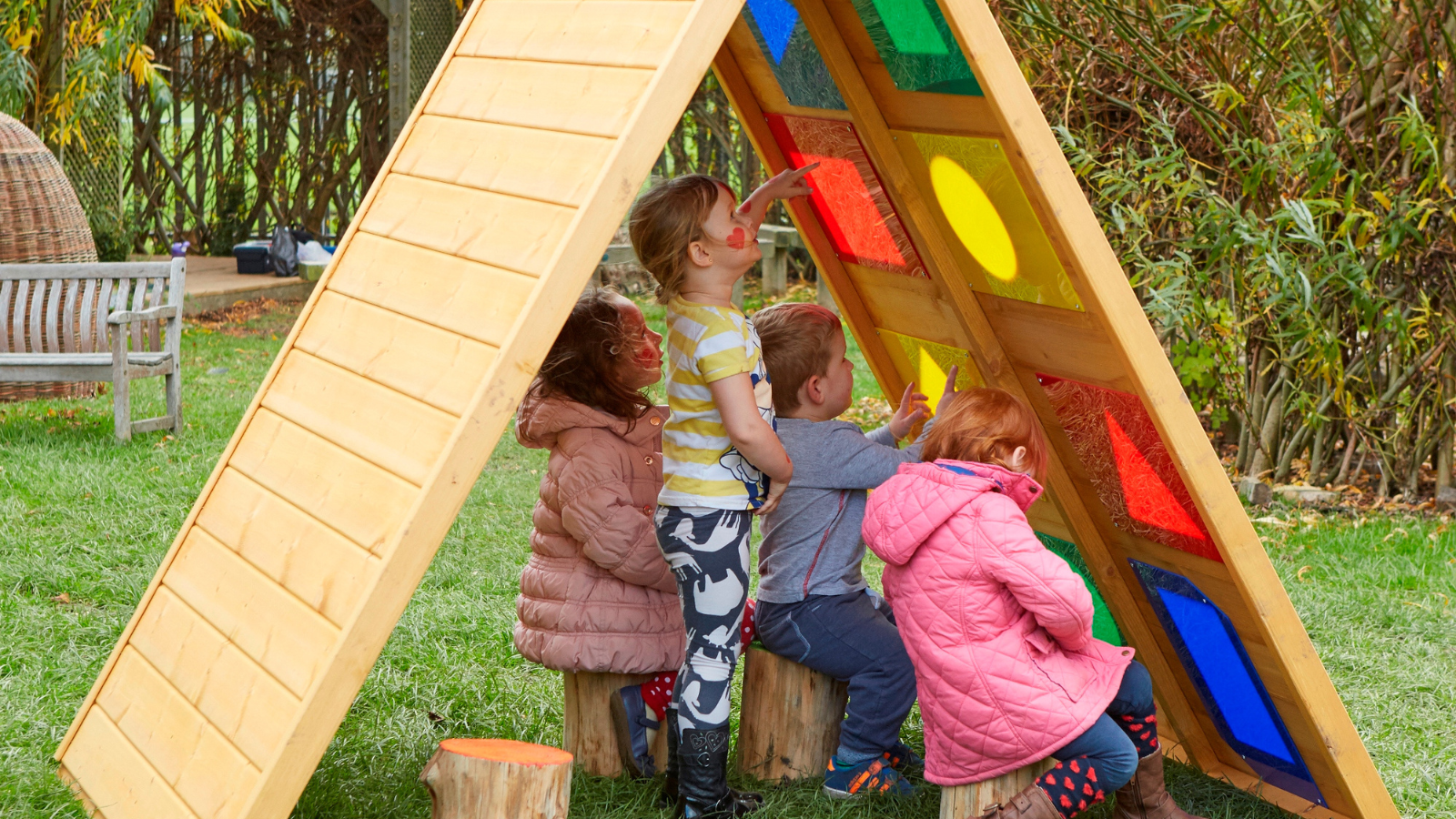
Discover the benefits of learning outdoors
|
Encourage learning outdoors |
 |
- hello@peters.co.uk
- 0121 666 6646
- Send a message
- Meet the team
- Peters Ltd
- 120 Bromsgrove Street
- Birmingham
- B5 6RJ