GO
Sorry, but you already have a basket with that name. Please use something else.
Are you sure you wish to delete this basket?()
This action cannot be undone.
Sorry, something went wrong
Please report the problem here.
The role of an online newspaper in the classroom
May 25th 2021
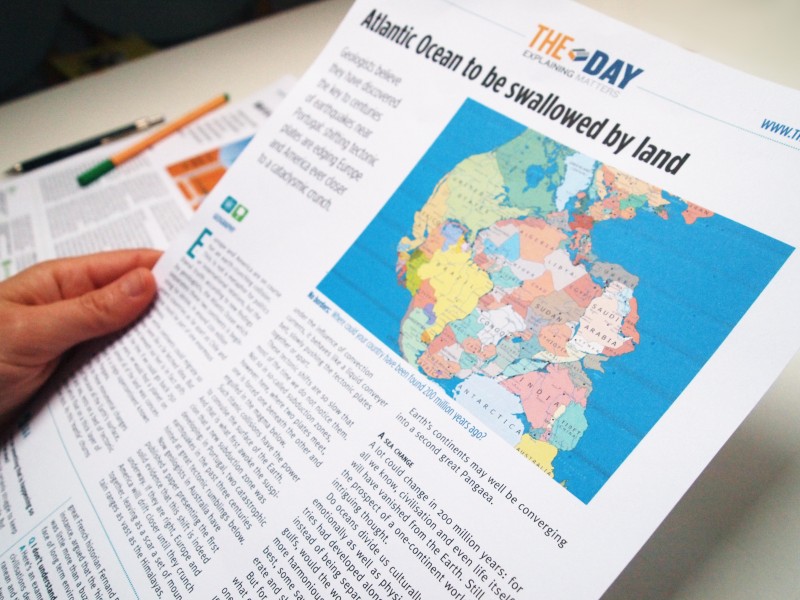
The Day is an online daily newspaper for pupils from five to 18 that helps develop their literacy, critical thinking, oracy and cultural capital through news stories and cross-curricular activities. Editor Richard Addis explains how schools can use newspapers in the classroom to nurture genuine news literacy.
Creating news literate future generations is exactly what the world needs. Hope and balance are necessary for life but the real future of human society depends upon values of reason, liberty and truth that in turn underpin democracy and government. Right now these values are being corroded and undermined by a population ill-equipped to deal with the real disease of modern, rich civilisations: a tsunami of misinformation.
There is no doubt that news literacy helps develop skills that are valuable right across the curriculum and prepares children for their adult life. As these young people become voters, tax-payers, earners and parents they will have the basic tools to navigate the noise, confusion and fog of reality.
Librarians, citizenship teachers and English teachers are the ideal people to deliver news and current affairs units of study, being experts in the key skills: literacy, oracy and critical thinking.
Nothing nurtures genuine news literacy like actually reading and discussing the news as it happens. Here at The Day, we have started calling this a “real-world curriculum”. Our articles are powerful tools to enable this real-world curriculum through an inquiry-led learning process we call our “Six steps to discovery”.
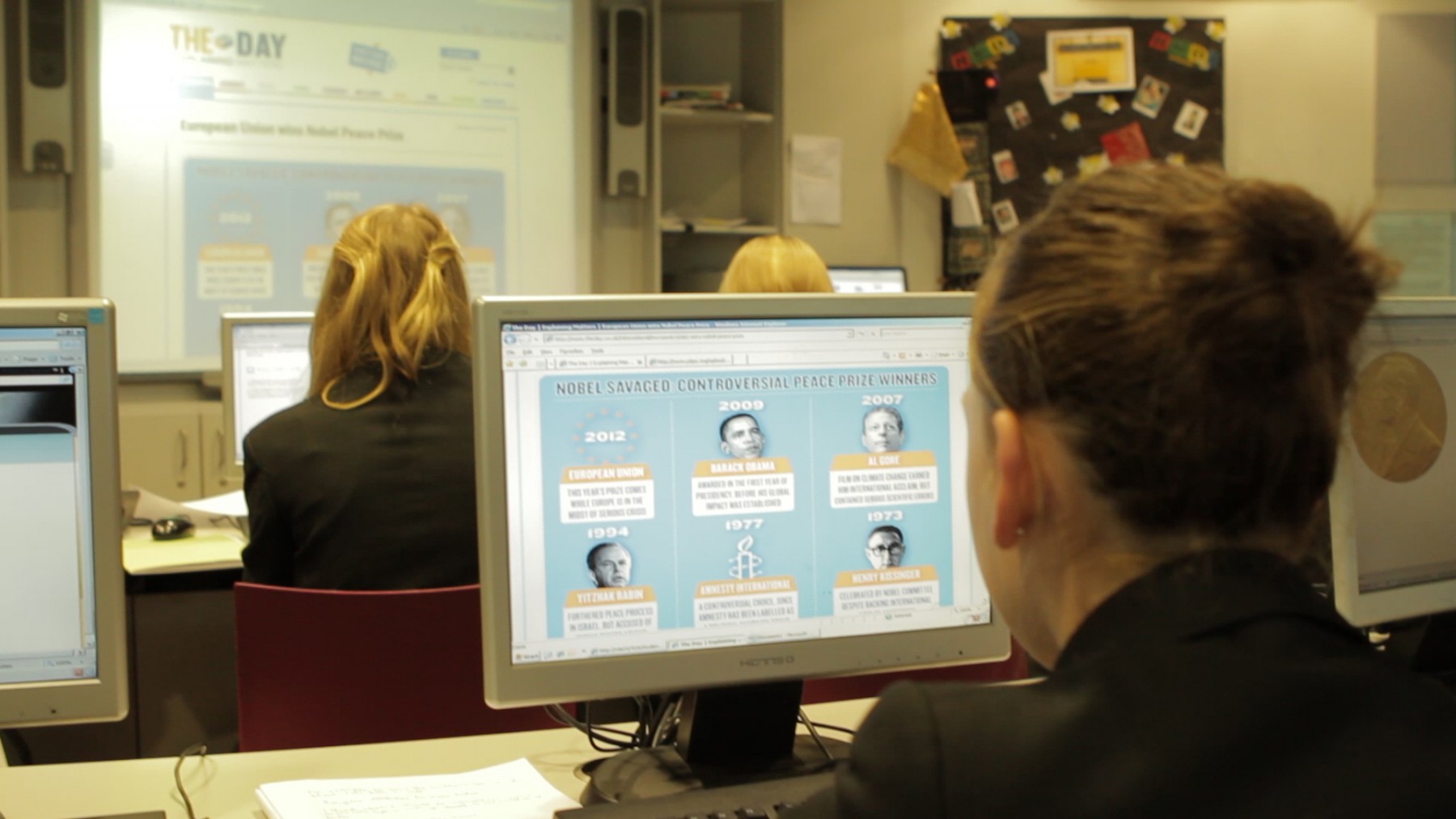
1. Establish the background: Before reading the news story, build core knowledge of the subject. Watch a quick summary video of the facts so far or read an explainer article. Having a basic knowledge of the background allows students to establish an understanding of the major undercurrents that drive so much of the news agenda.
2. Formulate your questions: Each story has a “good question” at its heart – that is to say, it is possible to seek out the sweet spot for genuine listening and debate which is the essential reason current affairs are interesting. Every topical item, almost without exception, raises at least one question that allows us to mine our souls and work out who we are.
3. Build your knowledge: Reading the news regularly allows students to build a glossary of vocabulary and specific terms that they will be able to use to talk about future events and issues. Use words, events and people mentioned in each article to build that knowledge.
4. Develop your understanding: Step four is about reading quotes from different people about the topic in question. Hearing different – often opposing opinions – about a certain topic can help readers begin to form and then articulate an evolving body of personal opinions. Students can then begin to construct their own framework of debate and knowledge that grows over time, building confidence and inspiring lifelong learners. Doing this together in the classroom encourages listening and respecting others’ views too.
5. Share your thoughts: After reading and digesting the background information, the story and some of the opinions involved, students have the opportunity to reflect and react on what they have learnt with others. This step is about group activities that will inspire debate, active learning, listening and teamwork.
6. Apply your learning: The final step is about making links between the article, school and the outside world. The questions place the article in a broader philosophical and moral context, encouraging students to think carefully, critically and often creatively about what they have read and learnt. In this way, a story about the new European Super League leads to a question about religious belief; an article about a newly released book can end with a question about what it means to be human. Joining the dots is the ultimate reward of learning. It is the “aha!” moment when things click into place, when knowledge allows a learner to think beyond the limits of their own experience. It is what Michael Young called “powerful knowledge”.
Today, as we face uniquely complex and apocalyptic challenges, we desperately need a future in which people know how to read reality and play an active part in shaping it. In this context I believe there are few ideas more important than teaching current affairs in schools.
For a free trial of The Day, visit www.theday.co.uk.
- hello@peters.co.uk
- 0121 666 6646
- Send a message
- Meet the team
- Peters Ltd
- 120 Bromsgrove Street
- Birmingham
- B5 6RJ