GO
Sorry, but you already have a basket with that name. Please use something else.
Are you sure you wish to delete this basket?()
This action cannot be undone.
Sorry, something went wrong
Please report the problem here.
The Librarians' Q&A: with writer and broadcaster Richard Coles
June 5th 2025
Like you, our librarians love to get the latest on upcoming new titles, as well as dive into the minds of our favourite authors. Introducing The Librarians' Q&A, our regular news feature where librarians ask the questions!
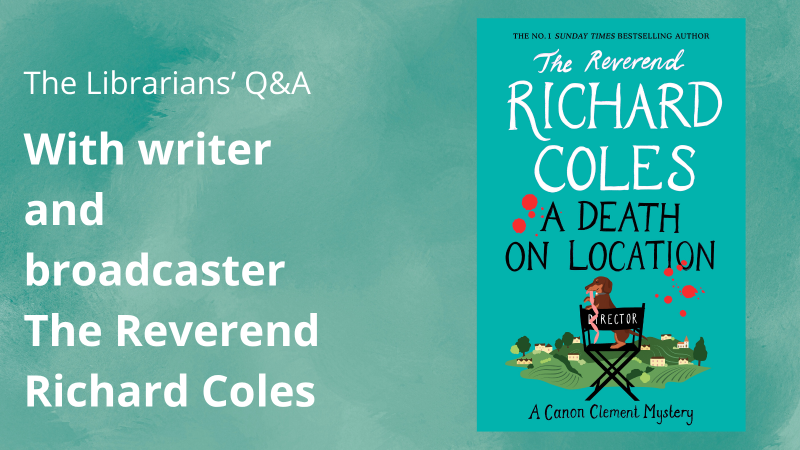
We enter the world of cosy crime with bestselling writer and broadcaster Reverend Richard Coles, discussing the growing popularity of the genre, the magic of public libraries and delving into the inspiration for his latest novel, A Death On Location.
© Natalie Dawkins |
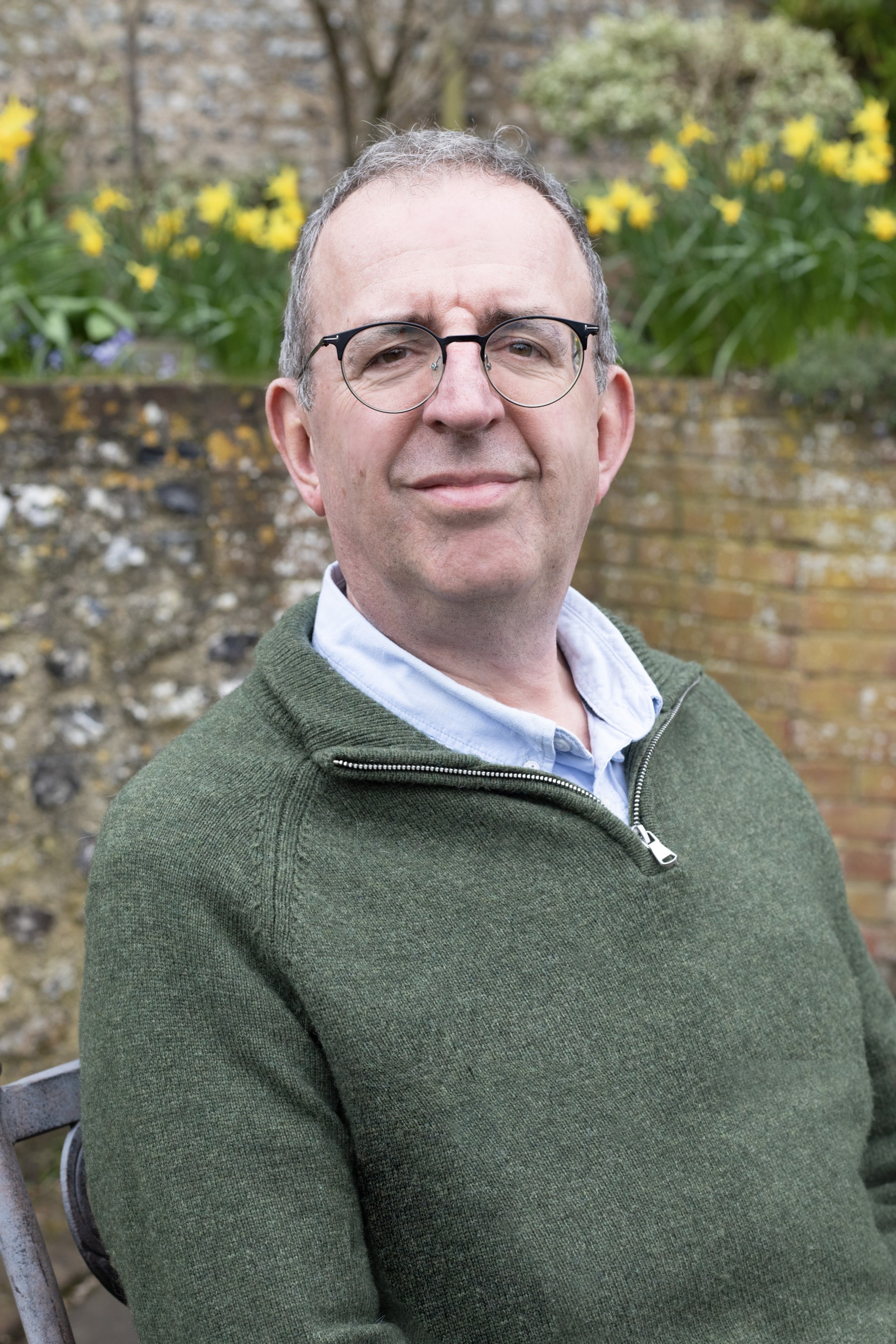
Richard Coles | Author The Reverend Richard Coles is a writer and broadcaster. He previously worked as a Church of England priest and now regularly writes for The Sunday Times. Richard Coles has written several books, including a bestselling autobiography, Fathomless Riches. His latest novel, A Death On Location, is part of the Sunday times bestselling series, Canon Clement. |
Can you tell us a little bit about A Death on Location – what was your inspiration for the book?![]()
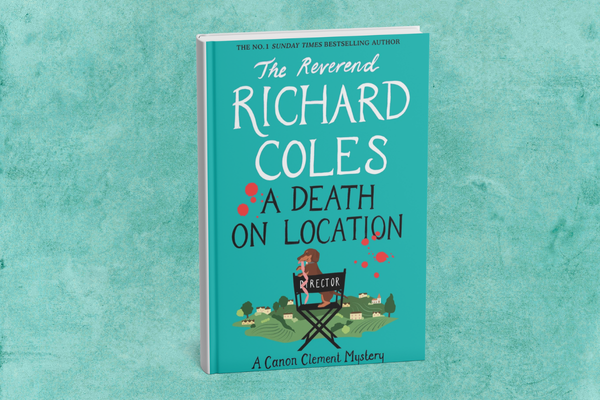
A Death on Location, returns Canon Clement to his parish of champs and Mary after a visit to a monastery in the previous book. And it’s all excitement there, because a period drama is being filmed at Champton House. Unfortunately, by the end of the shoot, there is one less cast member than at the beginning.
The inspiration really came from the film version of the first in the series, Murder Before Evensong, which has just been shot, so I was thinking about that, and then spoke to a few actors about what misfortune might befall someone on set.
What led you to writing?
What led me to writing? I've always written. I've always found it something that comes quite naturally and readily to me.
I've had to write a lot for work in one form or another, scripts, sermons and so on. Then into non fiction, and thence to fiction. I think it's a way of giving your imagination free rein to explore ideas
You’ve written fiction and information books; do you have a preference? Is the process different for each?
Fiction and non-fiction. Do I have a preference? I don't really have a preference. They're very different ways of doing essentially the same thing, I think, which is trying to figure out what I think. Can I do that by writing it down and seeing if I can make it intelligible to a reader,
‘Cosy Crime’ novels have grown enormously in popularity recently; why do you think that is?
I think cosy crime has become popular because it answers a need of the moment. There was a big rise in British crime fiction, which would be now called cosy, I think, in the late 1930s and I think it's a way of dealing with rising anxiety about the state of the world.
I think it earths our anxieties in some way. The world at the moment seems very uncertain too, so perhaps that's why there’s such an appetite for the assurance that crime novels deliver.
![]() What are your reading habits? Do they change when you’re writing?
What are your reading habits? Do they change when you’re writing?
 What are your reading habits? Do they change when you’re writing?
My reading habits depend very much on whether I'm writing. If I am, which is most of the time, I read less. I’d like to read more.
I have just judged a literary prize which involved an awful lot of extra reading. But if I go away and I don't have any writing to do, I tend to read non-fiction in the morning and fiction in the afternoon.
Are there any other authors who have particularly inspired you?
Most authors inspire me in one way or another. The fact that someone's bothered to sit down and work it out and write it down and try to get through to you, is inspiration enough.
I think there are lots of authors I particularly admire, but not necessarily authors I would want to or even dream of trying to, kind of pay homage to by being like them.
Writing can be lonely, while simultaneously being a team effort; what is your experience of writing?
Sometimes writing is like getting blood out of a stone. But that's often the stuff that stands up most solidly. Sometimes it comes very fluently, and that can be good in a different sort of way. Sometimes it's fit only for the trash, and that can be done. And sometimes I genuinely don’t know. I need to have my editor look at it, or a friend look at it and tell me if they think it's working or not.
I like my own company. I like being at home on my own, and often when I am writing, I tend to divide the day in three. I write for a third of the day, I play the piano for a third of the day, and I cook for the third of the day, and I intersperse those with walks.
While you were on ‘Get Me Out Of Here’ one of the friendships which developed is GK Barry - someone younger. Public libraries are one of the places which welcomes people without distinction; what are the benefits of this and what more can public libraries do to support these friendships?
Libraries are very much like churches, I suppose, they're places of encounter. Good places to meet people who otherwise you might not meet, and that's a stimulating thing, as I discovered when I made friends with GK Barry, who I've been talking to today, funnily enough, renewing our friendship, which has been great.
![]() What was your relationship with libraries growing up? Do you think public libraries are important?
What was your relationship with libraries growing up? Do you think public libraries are important?
 What was your relationship with libraries growing up? Do you think public libraries are important?
Libraries played a very important part for me. Growing up, my father went to the library like other people go to church, and I can still remember the excitement of him replacing his library books. And I loved the stamp, a little slip of paper that went into the little wallet thing on the inside page.
I liked the sense that a library was a place where knowledge and learning and culture and civilization were both respected and upheld. And that's made a lifelong impression on me.
You work on a variety of entertainment formats – do you have a favourite? What are you working on next?
Writing is probably my favourite thing to do. I like doing all sorts of things. I love doing radio. I'm not doing that at the moment. I'm playing the piano a bit more, too. The next thing for me, really, is giving a piano recital my first in 45 years.
What have you read recently, or want to read next?
What have I read recently? I've read so many books recently because I've been judging a literary prize. Some really stood out and just sang to me, Night Swimmers by Roisin Maguire and Richard Shimmels Trees in Winter. I loved Every Kind of People by Kathryn Faulk about working in social care
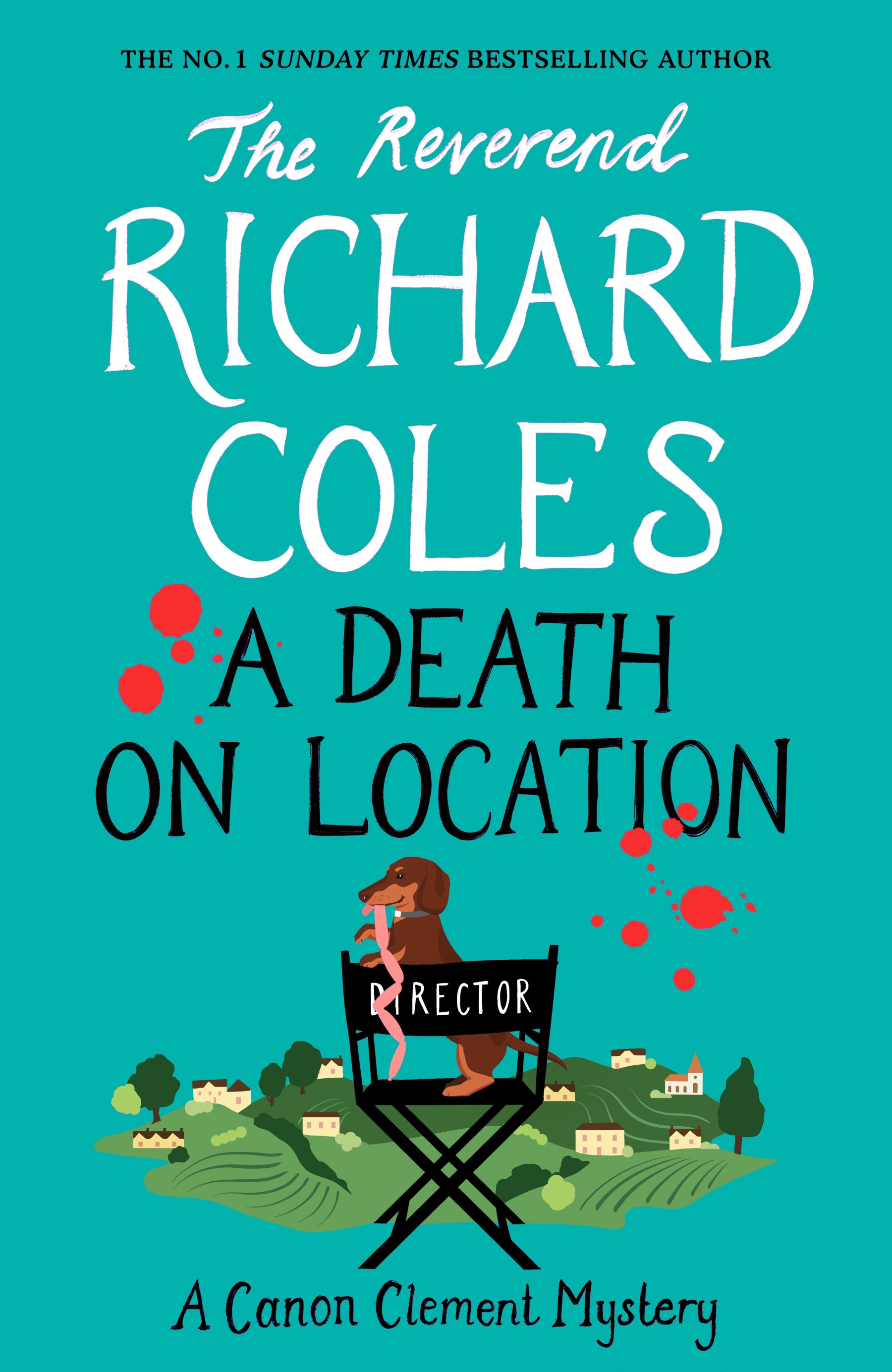 |
A Death On LocationIn the spring of 1990, we return to Champton, where the characters we've come to love are all aflutter as a glamorous Hollywood movie takes over Champton House as its set location. As the actors and extras hired from the village don their farthingales, gowns and crowns for a masque set in the 1600s, a murder interrupts filming on set - and it's an ingenious one . . . |
|
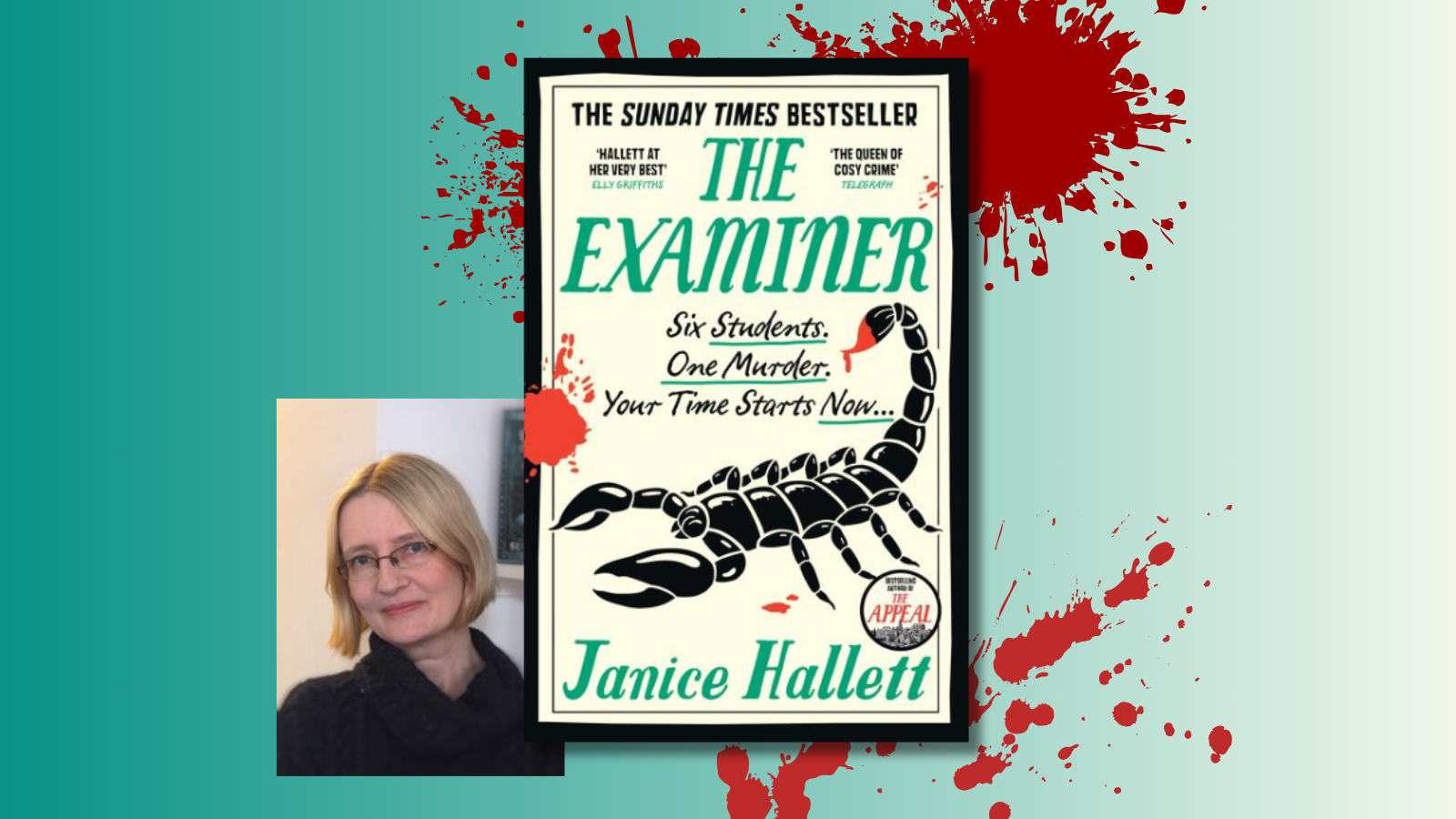
Discover our Q&A with Author Janice Hallett |
 |
Back to news and blog...
- hello@peters.co.uk
- 0121 666 6646
- Send a message
- Meet the team
- Peters Ltd
- 120 Bromsgrove Street
- Birmingham
- B5 6RJ