GO
Sorry, but you already have a basket with that name. Please use something else.
Are you sure you wish to delete this basket?()
This action cannot be undone.
Sorry, something went wrong
Please report the problem here.
The Librarians' Q&A: with bestselling author Maggie Stiefvater
July 27th 2025
Like you, our librarians love to hear about the latest new releases, as well as dive into the minds of our favourite authors. Introducing The Librarians' Q&A, our regular news feature where librarians ask the questions!
Bestselling YA author Maggie Stiefvater chats with us about the inspiration behind her debut adult novel, The Listeners and discusses the bold shift from writing for teens to adult fiction.
|
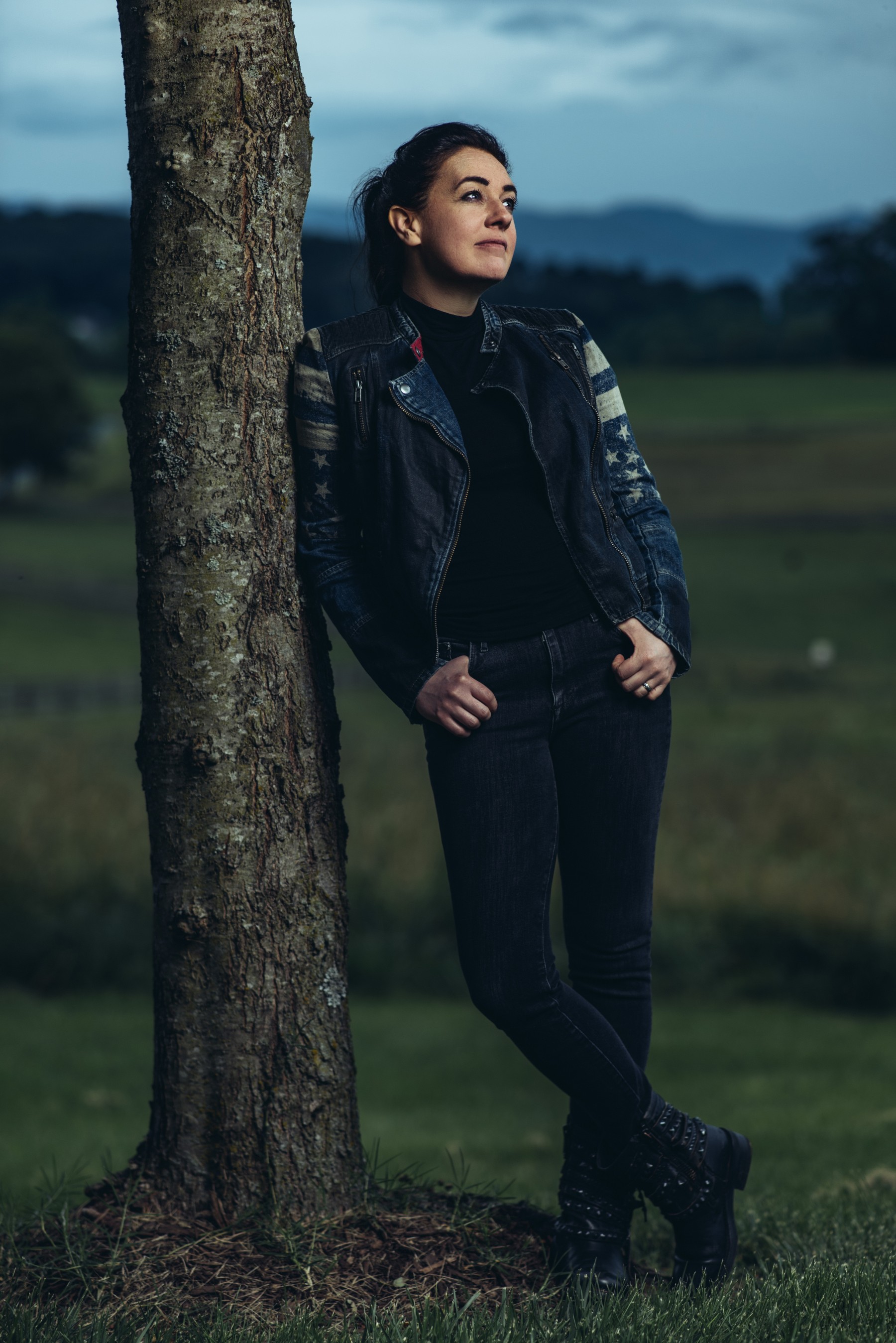
© Stephen Voss |
Maggie Stiefvater| Author Maggie Stiefvater is a No. 1 New York Times bestselling author of novels including The Raven Cycle and Shiver. She has sold nearly 6 million books worldwide. Maggie is an avid reader and a driver of things with wheels. She plays several musical instruments, makes art in several media and lives in Virginia with her husband, their two children, many dogs, some bagpipes and a growling tuner car. The Listeners is her first novel for adults. |
Can you tell us a little bit about The Listeners – what was your inspiration for the book?![]()
While researching hotels for my next novel—I was certain I wanted to write about a historical hotel—I uncovered a single line about the detention of Axis diplomats in Appalachian hotels during World War II. Nazis, in my mountains?
It seemed like an outrageous, exaggerated way to talk about how West Virginia had often been asked to do distasteful or outright harmful things for outsiders. I was a history major in college, and it felt very full-circle to set a Stiefvater novel quite properly inside the past.
You’re already a bestselling YA author – how does writing for adults differ?
Immediacy. Because of its bildungsroman roots, YA shares a lot of DNA with visual media—it’s very forward-looking, very in-the-moment.
You would never have an adult looking back on their life as a teen in YA, because it would destroy the uncertain, hopeful nature of the coming-of-age story.
There is a place for that kind of immediacy in general adult fiction too, of course, but to me it feels like the immediate action is almost just an excuse to talk about lots of other things.
This book is based on a true story – how did you decide where the line between fact and fiction was?
I had two main rules: I didn’t want to put words into the mouths of real people. And I wanted the metaphorical truth to remain intact. So I invented a new hotel, rather than using one of the half-dozen real ones, and I invented some diplomats, and I invented a hotel manager, and I invented a whole staff.
But I didn’t invent the relationship between the hotel and the staff, or between the Americans and the diplomats, or between the rich outsiders and the native West Virginians. I wanted to be quite meticulous about preserving that reality.
You work across different areas of art – novels, art and music – do you have different processes or is your approach similar across them all?
I like to see the whole picture first. I could never just start writing a novel or working on a large drawing or a piece of music; I need to know why I’m doing it. What am I trying to make? Then I rough in big, ugly shapes that are just for me, blocking the intentions with more and more intention until eventually, I feel like I did what I set out to do. There’s always happy accidents, of course, but gosh. I like a plan.
You’ve spoken about teenagers learning about mistakes and right and wrong from your earlier books – what do you hope adults take from this novel?
On an intimate scale, I hope it makes folks consider the continuity of self. There’s a way to preserve your sense of self in even the most dramatic of changes, but not if you’ve tied most of your identity to something outside yourself.
"On a larger scale, I hope it provokes discussion about the seduction evil of stripping folks of their individuality."- Maggie Stiefvater |
We live in a world where it is very easy to paint entire swaths of people with broad strokes, when it can feel right to do so. What I learned while reading 1940s memoirs and magazines is that destruction of individual rights is a group sport. It made me think a lot about how I wanted to participate in the world.
What are your reading habits? Do they change when you’re writing?
I have to read while I’m writing. For starters, it takes me too long to write a novel to go without reading for a year. But also, I feel as if my creative well runs dry if I forget what words can do. I’m a happy rereader and a judgy reader.
The older I get, the more I want a novel to either show me something I haven’t already seen, or show me something I’ve seen in a way I’ve never experienced. When I was younger, I was happy to read just for story.
Are there any other authors who have particularly inspired you?
Gosh, I read all the time, so this is difficult, but as an adult:
Geraldine Brooks uses history with a lovely intimacy. Michael Crichton used high-concept story to range all over a subject. Don DeLillo’s wry and truthful observation of human nature inspires me every time I read a page.
Anthony Doerr’s obvious affection for people lets him tell difficult stories without keeping the reader in a dreadful place.
And as a child:
Susan Cooper wrote mythic stories grounded in the real world, letting the magic make the real stories feel ageless. James Herriott used an incredibly tight lens, his veterinary practice, to create a subtractive series with a very controlled tone.
Diana Wynne Jones wrote fantastic, humorous stories, but her people and their relationship to the world always felt stolen from real life. Bill Watterson used humor and magic to tell a very accurate story of a boy and his parents, only ever using jokes and speculative elements to make the truth bigger.
What was your relationship with libraries growing up? Do you think public libraries are important?
I was a Navy brat and the daughter of an ER doctor; we moved over a dozen times in my childhood. The first thing my mother did when we moved to a new zipcode was take us to the library to sign up for a card. They were my most stable home, and I still feel intensely comforted by the smell of them. I think you can tell that I’m a writer who grew up reading whatever was still left on the library shelves rather than the latest bestsellers; it made me very omnivorous.
They’re simply crucial.
What have you read recently, or what would you like to read next?
I just read a novel called I Make Envy on Your Disco, by Eric Schnall, that I loved very much. It’s a quite intimate portrait of a middle-aged man finding himself during a trip to Berlin, but it’s also a foreigner’s portrait of the place in a way that all feels quite specific and true. I thought it was delightfully happy-sad.
Can you tell us what you’re currently working on (or what’s coming next for you)?
I’m working on my next adult novel, which follows a tightknit group of friends experiencing extremely Maggie-Stiefvaterish events over the course of a decade. It’s the kind of story that would have been quite impossible to do in YA!
I’m having a blast with it and hope to have a draft to kick around by the end of the year. We’ll see. Research has a way of pouncing on authors every time they step out the door.
I’m not complaining.
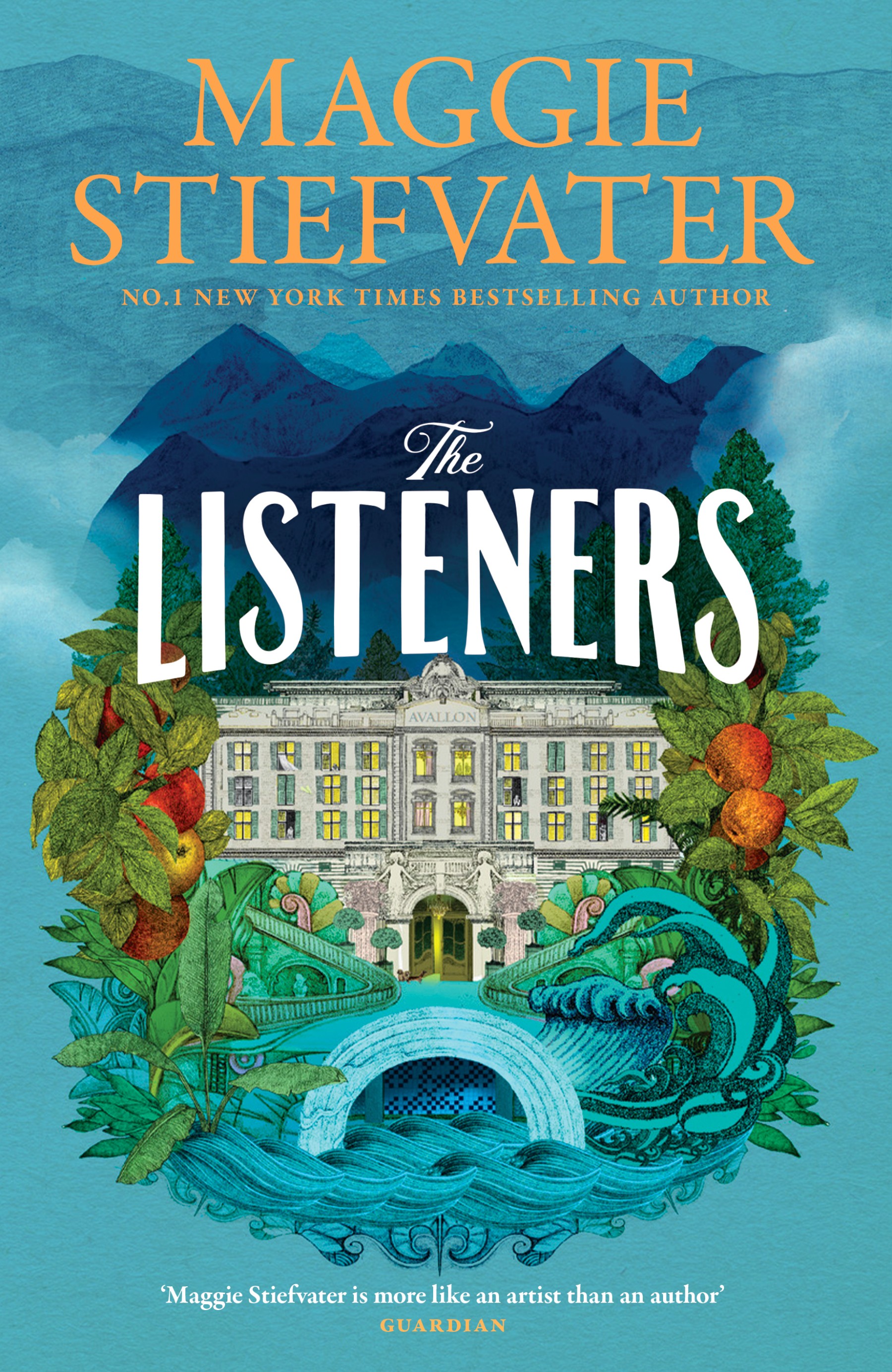 |
The ListenersLila High in the Appalachian mountains is a place quite unlike any other. The Avallon Hotel and its enigmatic General Manager, June Hudson, are famed for offering unrivalled luxury, season after season, to those who come from far and wide to indulge in its beautiful hot springs and take the healing waters. Everything is perfect. Perhaps too perfect. |
|
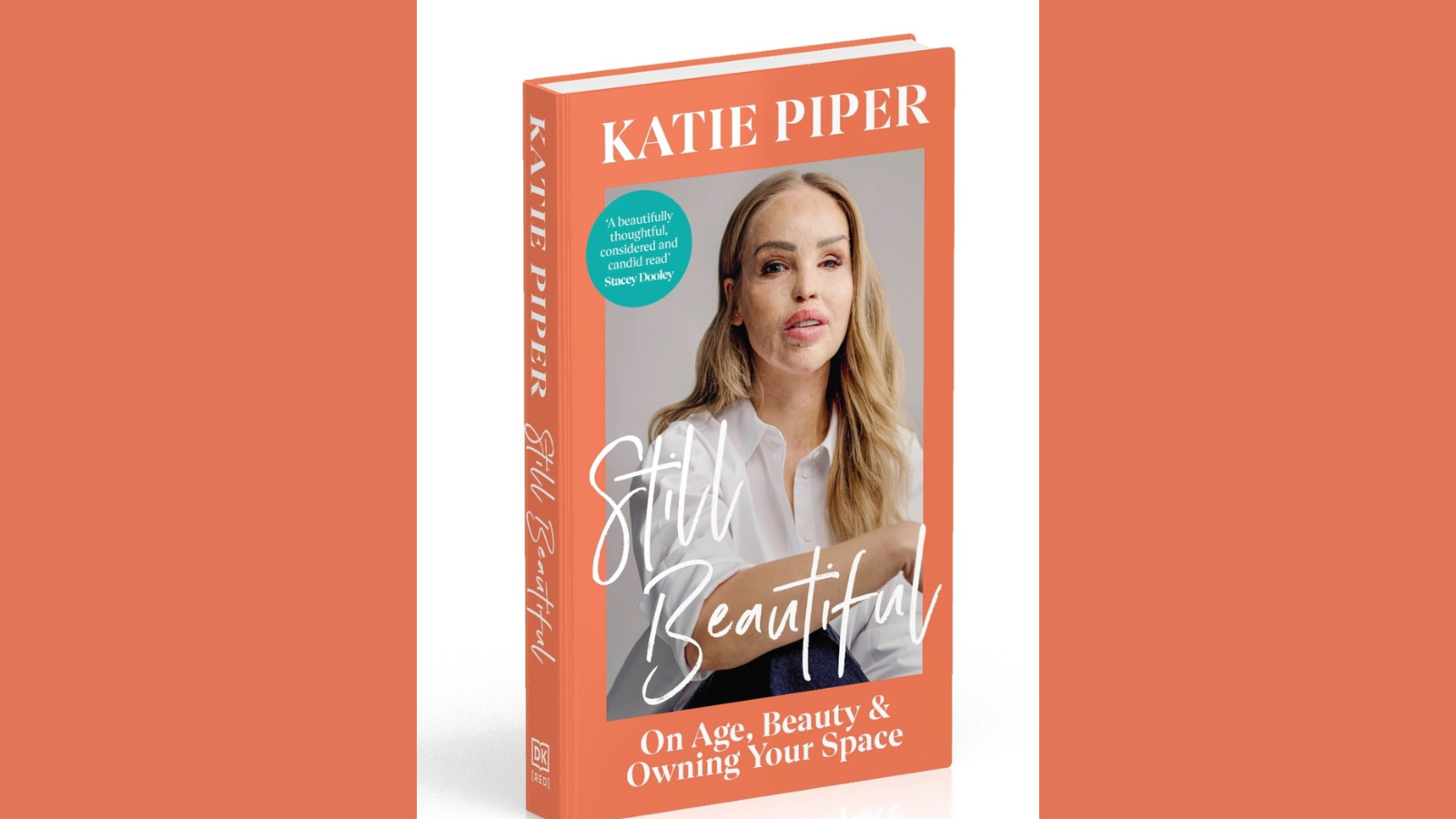
Discover our Q&A with Author and TV Presenter Katie Piper |
 |
Back to news and blog...
- hello@peters.co.uk
- 0121 666 6646
- Send a message
- Meet the team
- Peters Ltd
- 120 Bromsgrove Street
- Birmingham
- B5 6RJ