GO
Sorry, but you already have a basket with that name. Please use something else.
Are you sure you wish to delete this basket?()
This action cannot be undone.
Sorry, something went wrong
Please report the problem here.
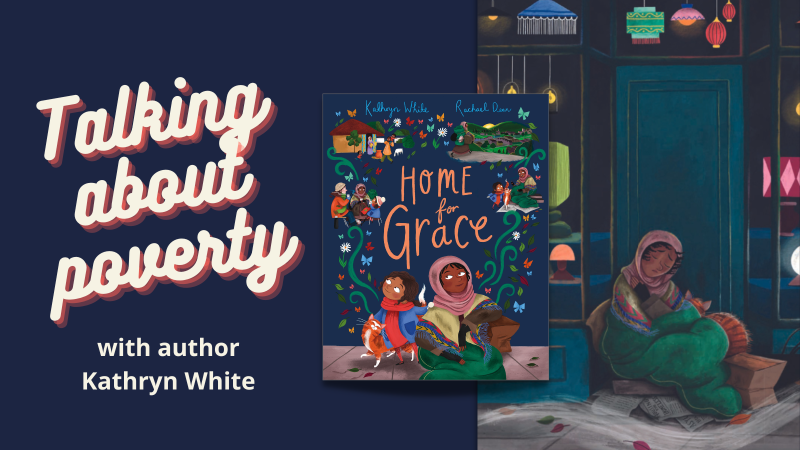
Talking about poverty: Home for Grace by Kathryn White
February 17th 2023
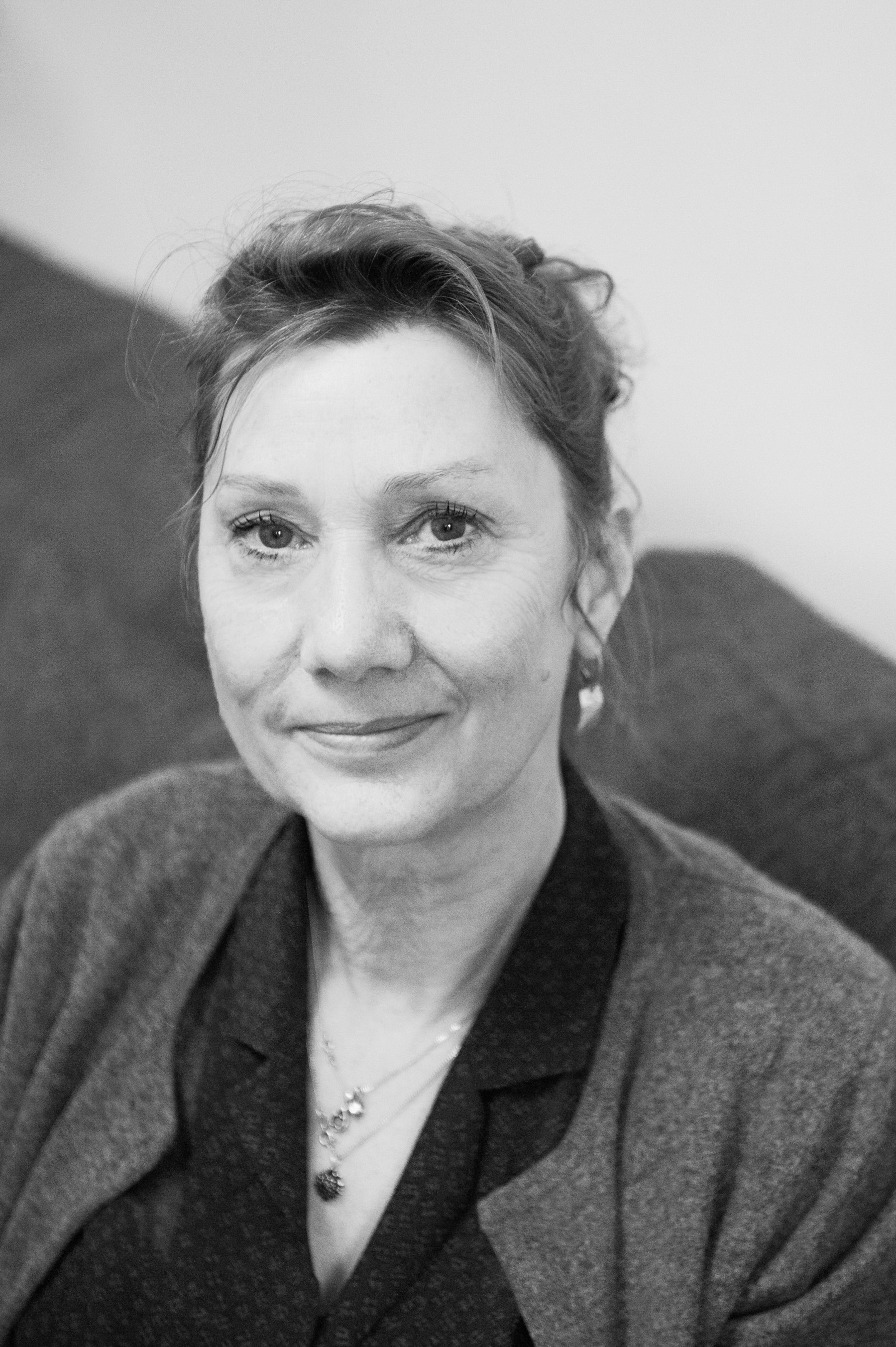 |
About Kathryn White Kathryn has written more than 30 books for children of all ages, almost all of which feature animals as the main characters. Her five children and many beautiful grandchildren inspire her writing, along with her two cats, Elfin and Napoleon. She works for the HMP Service in Education and often holds lively, book-related events at schools, libraries and festivals. |
Approximately 30% of UK children are living in relative poverty (rising to 49% in single-parent households), with 121,000 children homeless and living in temporary accommodation. Barnardo's new report, A Crisis On Our Doorstep, surveyed 1,010 parents in collaboration with YouGov. Due to the cost of living crisis, 23% of parents reported difficulties providing for their families, and 52% of children said they worried about their families not having enough money.
For teachers who want to broach the concepts of poverty and homelessness with their class - some of whom may be experiencing these issues - the new Home for Grace book Kathryn White could be a great conversation-starter. Our expert team has also shared some recommended reads and practical tips you can use below.
Give children a starting point for understanding homelessness
Kathryn White's beautifully illustrated picture book follows Jess and her mum as they befriend a homeless woman sleeping in a shop doorway. No one knows who Grace is, but Jess discovers she is a refugee from Eritrea in northeast Africa, and is trying to survive with her cat, Luna.
"I first imagined this story after a moving experience I had whilst out with my daughter," says Kathryn. " We witnessed a homeless man suffering humiliating verbal abuse from a passer-by after politely requesting a donation. The imbalance of power and the lack of compassion shown toward another human being, displayed so publicly, are things I know children witness on a daily basis, as homelessness continues to affect hundreds of thousands of people around the UK. To see one person attack another is distressing, but when the victim is fragile and vulnerable, the sadness you feel as a witness is heightened.
"Homeless people are often openly treated with contempt, yet this treatment often stems from a lack of awareness about how individuals arrive in those difficult circumstances. Most of us don’t take the time to find out, and often don’t share what we do know with the anxious or confused children around us. I often see a child gaze down with curiosity or fear at someone on the street whilst out with carers and parents. This observation is frequently missed by adults hurrying through the city. It means children have no starting point for understanding the complex reasons as to why someone may be sleeping in a doorway or on a park bench.
"The primary lesson children take from this experience is that some people deserve to be treated as if they're invisible, or as lesser beings than others. Yet, many of those on the streets may have faced terrors, loneliness or personal struggles that others can't begin to imagine and have such resilience and courage in the face of extreme adversity.
"My aim with this title is to provide a human perspective on homelessness and those experiencing it. It tells the journey of one woman and the amazing value she gains from the care and empathy of another, but also the wisdom and connection she gives to someone who takes the time to talk to her. I am aware that sadly, people being forced to live on the streets is a growing issue.
"I hope this book offers an understanding for children of just one way in which a person could be displaced and the importance of showing respect and consideration to all — irrespective of personal circumstances. The book highlights the value of individual, positive engagement alongside the essential efforts of organisations tackling homelessness. I hope schools and parents can see this book as a way of introducing children to the imbalance in society and encouraging discussion."
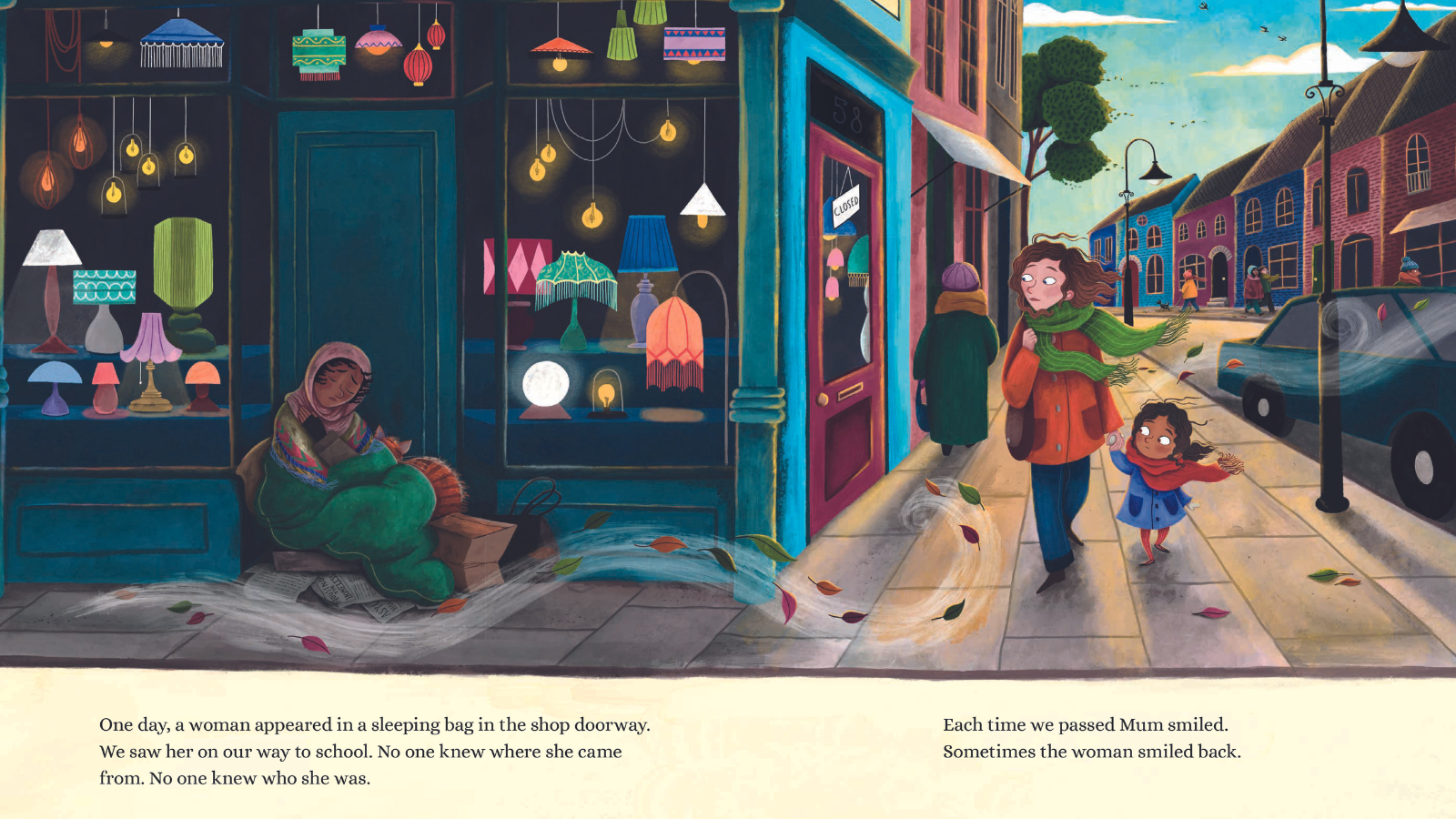
Our team described the book as "A sweet and gentle story which shows how a little kindness and friendship can kindle hope."
Stunning illustrations engage even the youngest reader
Home for Grace is illustrated by Rachel Dean, who has worked with authors including Jacqueline Wilson and Aisha Bushby. "Rachel has brought Grace, Luna, Jess and her mother to life with such stunning artwork," says Kathryn. "Her illustrations have added warmth and depth to the story, making the tough issue of homelessness accessible to even the youngest reader. I am so happy that Andersen Press has taken this title and turned it into such a beautiful edition."
More books about poverty, money and homelessness
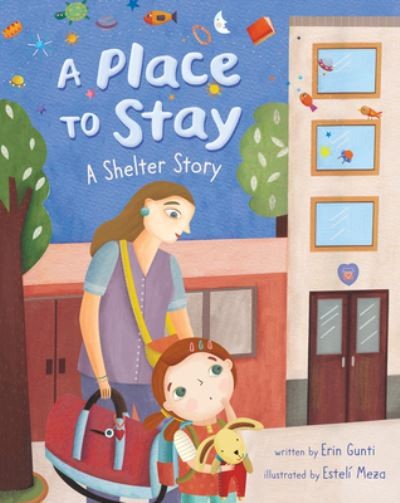
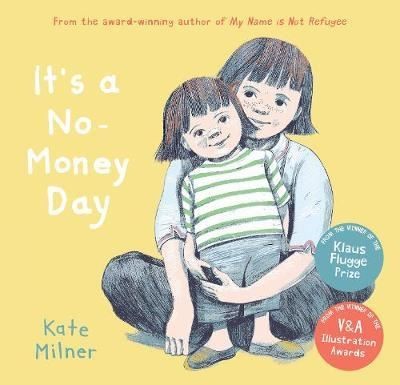
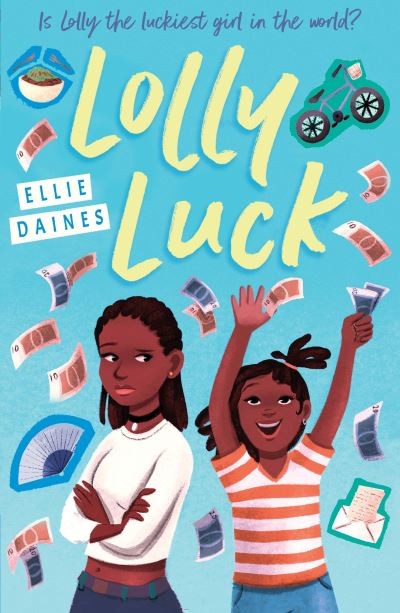
Our children's librarian, Debbie, has put together a handy list of books that you can share with your class. She says: "I’ve tried to find a variety of titles that show the range of reasons why individuals or families might find themselves experiencing hardship in some form: economic immigration, fleeing war or persecution, debt, family problems, homelessness.
"They also show the human side of these situations, looking beyond the family living in a hostel, or the person who is homeless on the streets, and into the circumstances that led them to where they are. It's so important to avoid ‘othering’ and to illustrate that these are ordinary people affected by extraordinary circumstances, and these things can happen to anybody. Hopefully, the books will help encourage and foster empathy and kindness, as well as respect and consideration of people regardless of their circumstance."
 |
 |
 |
 |
 |
 |
BROWSE DEBBIE'S SUGGESTED READS
 |
Practical advice for talking to pupils about poverty 👩🏫 DOWNLOAD |
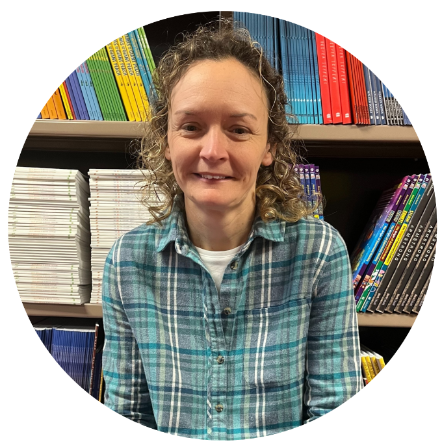 |
Anna Rushall | Schools Team Manager"The key to approaching poverty and homelessness with children is to keep the core community of the class as the central driving force. The aim is to discuss any sensitive issues in a neutral way. Children should feel free, but not pressured, to contribute. "Through using fictional characters, you have an opportunity to make the ‘silences’ children may have witnessed or experienced speak. They are given a vehicle through which they can express any concerns about things they have seen or felt about their own circumstances through the safety of shared characters and circumstances. Role-play work can help children here too, depending on age and preference. "Being available on the playground after you have shared stories or discussions about poverty and homelessness is key. Thought boxes in the classroom can help with this too." |
|
- hello@peters.co.uk
- 0121 666 6646
- Send a message
- Meet the team
- Peters Ltd
- 120 Bromsgrove Street
- Birmingham
- B5 6RJ