GO
Sorry, but you already have a basket with that name. Please use something else.
Are you sure you wish to delete this basket?()
This action cannot be undone.
Sorry, something went wrong
Please report the problem here.
What does non-binary mean and how can teachers better support students?
January 18th 2023
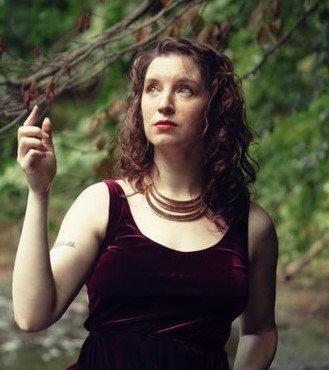 |
About Maya MacGregor Maya is a non-binary author, singer, and artist based in Glasgow, Scotland. They also write contemporary YA and adult fiction (as Emmie Mears and M Evan MacGriogair). Maya has a degree in history and is passionate about writing the stories for teens. Their recent release, The Many Half-Lived Lives of Sam Sylvester, follows an autistic, non-binary teen embroiled in a 30-year-old murder mystery. |
With increasing numbers of students now identifying as transgender or non-binary, you may be looking for more ways to make your classroom gender inclusive through more inclusive books and childrens books about diversity. We caught up with the non-binary author Maya MacGregor for their take on what it means to be non-binary, and how teachers can make a difference.
What does non-binary mean?
"For me, non-binary means someone whose experience of gender does not fit into traditionally understood categories of the male-female dichotomy," says Maya. "That can mean a very wide variety of things for different people, from one’s gender shifting over time (even over a day) to feeling like we exist outside conceptions of human gender entirely. I personally cannot divorce my experience of gender from my autism, so my understanding of being non-binary will be through the lens of also being autistic."
What impact do you think autism has on gender?
Scientific studies have shown that gender identity is more fluid amongst autistic people than the neurotypical population. Autism is also more prevalent amongst people who do not identify as their as their assigned sex, with three to six times more diagnoses than the cisgender [1] population (Spectrum, 2020). Autistic girls in particular may be more likely to reject gendered expectations and the notion of gender itself (Psychology Today, 2020).
Maya says: "This has a range of implications when we discuss both ableism [2] and transphobia [3] and how those things intersect with the potential to specifically harm autistic trans and non-binary people. Autistic non-binary people have coined the term “gendervague” or “gendermeh” to describe our relationship with gender. For me personally, this presented as extreme confusion and an internal rejection of being classified when I was young.
"This was a rejection of sexism, fundamentally, but it was also alien to me that A: people would decide I was something without bothering to ask me, and B: this would actively change people’s perceptions of me. I didn’t feel like I was a boy, so eventually, I grudgingly accepted the label of 'girl', since society had taught me those were the only two options. It took until my late twenties before I encountered people who gave me language for what I’d felt."

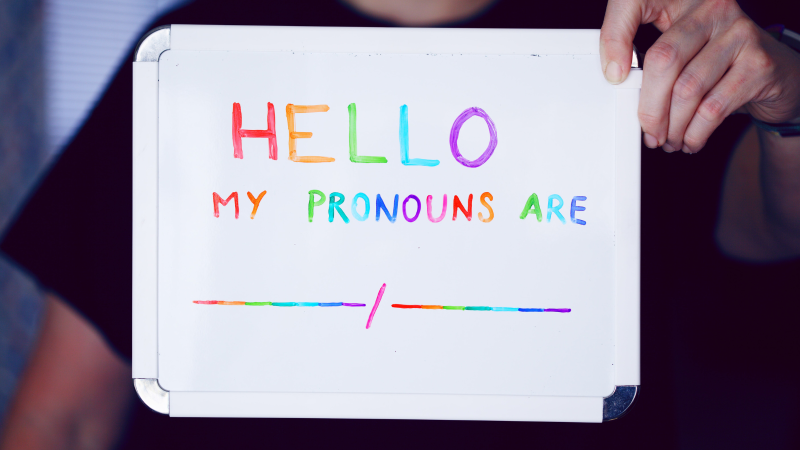
Non-binary people may prefer to use the pronouns 'they' rather than 'he' or 'she'. Using the correct pronouns fosters respect. Credit: Katie Rainbow
How can teachers better support non-binary students?
Practise pronouns
"If you slip, simply self-correct and continue. We would consider it impolite to call Robert 'Bobby' if he did not wish to be called Bobby. For many non-binary kids, home might not be safe. Having someone who sees them as they see themselves and does this one simple thing for them goes a long, long way for establishing their belief that they belong in this world."
Show empathy
"Remember that we are sometimes told that we don't belong and are not welcome, or are reminded that some people see us as a threat just for our mere existence. We see news stories like the far-right Proud Boys organisation in the US showing up with AR-15s to a drag queen story hour. We see things like the Pulse and Club Q LGBTQ night club massacres. Don’t underestimate the toll that takes. Anything you can do to normalise us and foster the social expectation that others treat us with dignity and respect has an outsize impact on our mental health and our general acceptance."
Create a safe environment
"As teachers, you are in the position to protect kids and to create a safe environment. Trans and non-binary kids are more likely to struggle with depression and suicidal thoughts than cisgender students. Giving them at least one safe person, at least one safe place where they are accepted and affirmed? It could literally save lives."
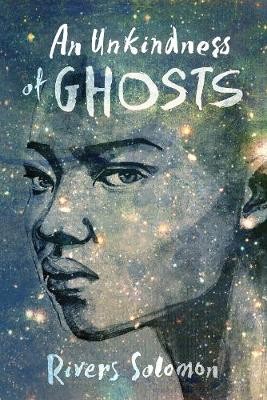
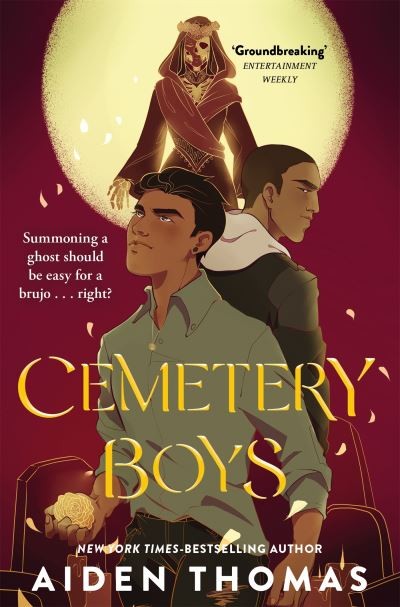
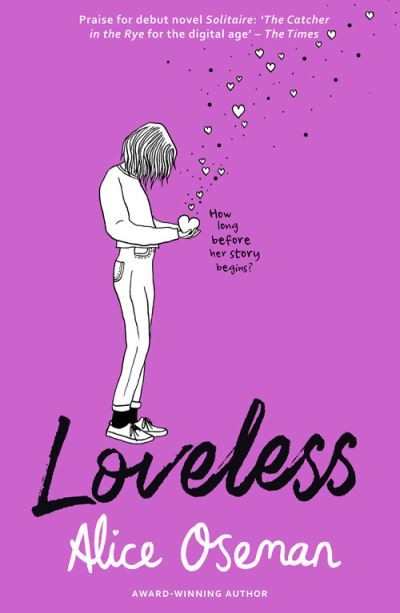
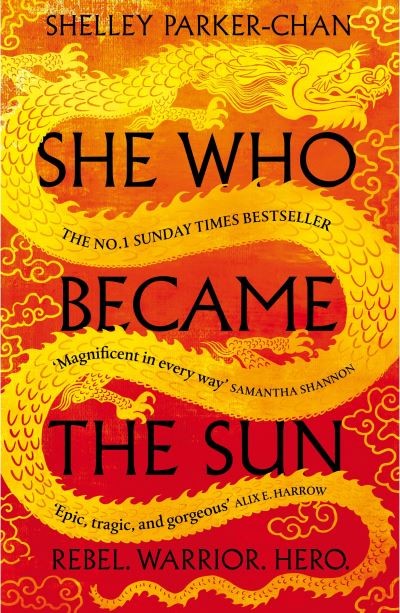
Maya's representative book recommendations - Books about diversity
 |
 |
 |
 |
 |
 |
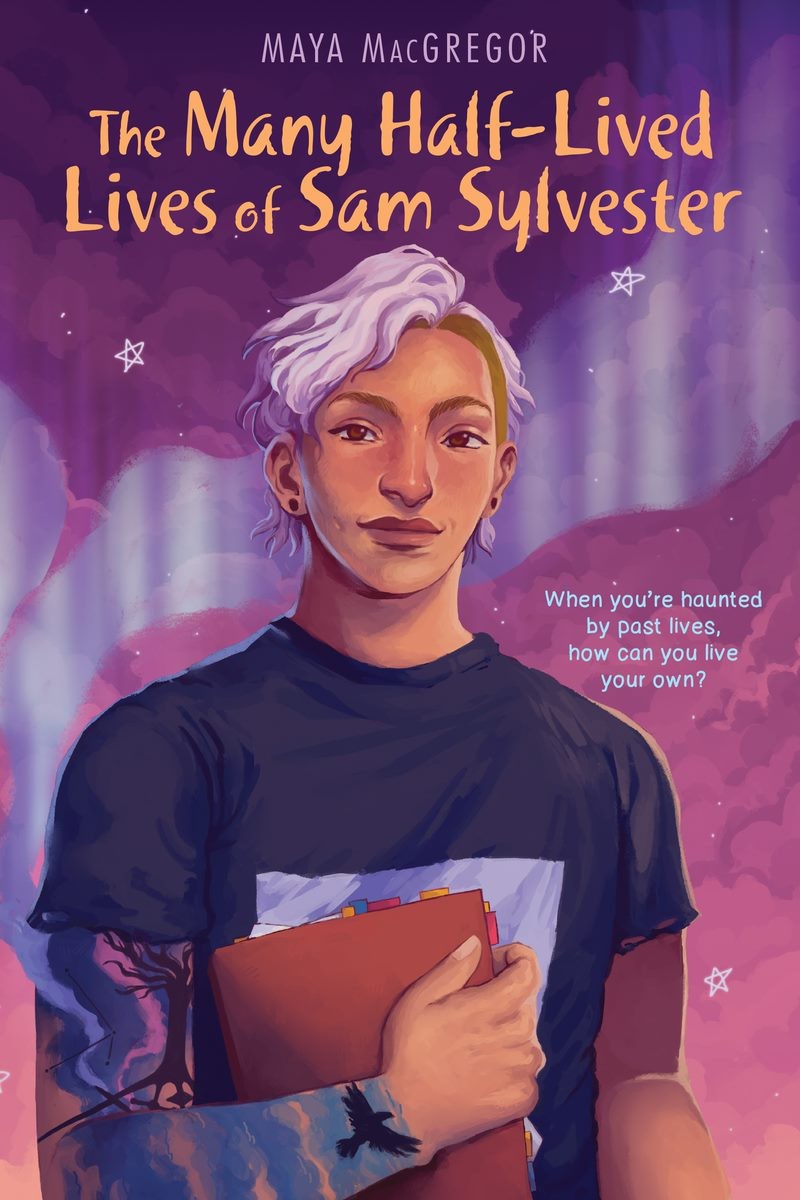 |
New from Maya MacGregorThe Many Half-Lived Lives of Sam SylvesterThis thought-provoking book explores healing in the aftermath of trauma and the joy in living a full life. Sam, a non-binary teen who is dealing with the repercussions of a near-death experience, collects the stories of other youths who have died before the age of 19. Sam is then drawn into a 30-year-old murder mystery at their house while navigating a potential romance with their neighbour. Our librarians say: "It's a touching story with well-handled themes of mental wellbeing and recovery." |
|
📚 READ NEXT: HOW TO ENCOURAGE INCLUSIVITY IN YOUR CLASSROOM
[1] Cisgender is a person whose gender identity corresponds with the sex registered for them at birth
[2] Ableism is discrimination and prejudice against disabled people
[3] Transphobia is discrimination, fear of or aversion to transgender people
- hello@peters.co.uk
- 0121 666 6646
- Send a message
- Meet the team
- Peters Ltd
- 120 Bromsgrove Street
- Birmingham
- B5 6RJ