GO
Sorry, but you already have a basket with that name. Please use something else.
Are you sure you wish to delete this basket?()
This action cannot be undone.
Sorry, something went wrong
Please report the problem here.
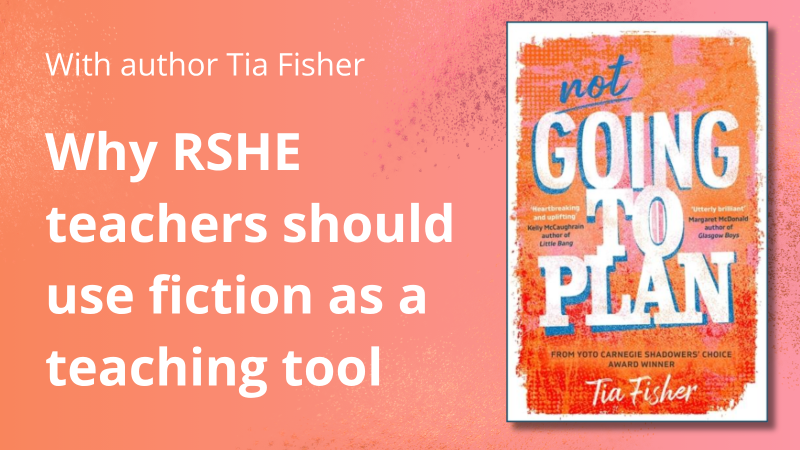
More than a good read: why RSHE teachers should use fiction as a teaching tool, with author Tia Fisher
October 7th 2025
We're firm believers that the right book at the right time can change a young person's life. Author Tia Fisher joined us to talk about this very topic back in 2024 ('Changing lives with the power of verse') when discussing her debut book, Crossing the line. A Carnegie Medal winning title, Crossing the line is a favourite discussion read in secondary schools due to its honest exploration of difficult topics and its accessible verse format.
We're delighted that Tia could join us on the blog again, this time discussing how RSHE teachers can use books like her latest release, Not going to plan, to discuss tricky topics in a safe and inclusive way.
Not going to plan is another compelling and tense verse novel about stealthing, consent, abortion, and identity. We were thrilled that Hot Key Books offered our community a chance to read Tia's latest novel ahead of publication. We've shared a selection of their reviews below.
Not going to plan: reviews from secondary school teachers and librarians“I have read Not Going To Plan and I loved it! It shares a powerful message about the importance of making the right choices for you, and not for others. It made me laugh in many places and I could relate to what was happening, reflecting on my time in secondary school. I loved the combination of different verse layouts with the shape poetry. It made it pacy and interesting to read which was engaging. I also learnt something new about ‘stealthing’ which I feel is very relevant not only to teens currently but adults alike.” “This book is definitely a nomination for Carnegie Medal. Written brilliantly and cleverly with word art, which punches in all the right places to deliver its message. A book every teenager should read and one I wish I had growing up reading. It doesn’t shy away from difficult topics of teenage sex, sexuality, pregnancy, abortion, stealth rape and shame that still surrounds all the topics today. This book is definitely an arsenal for every PSHE teacher to use to cover these topics and perfect for conversations starters. As a secondary school librarian I will definitely recommend this book to students Year 9 and above.” “Brilliantly written with such compelling voices bringing important topics into conversation. My KS4 students are going to love the different character perspectives and the shapes created in verse - you’ll know the ones I mean! But I know that the book, like ‘Crossing the Line’, will open important discussions - not only about consent and pregnancy but also around stigmas, identity and choice facing teenagers today.” |
More than a good read: why RSHE teachers should use fiction as a teaching tool
 |
Tia Fisher | Author Tia Fisher is an author from south-east England, writing from middle-grade to YA in prose and verse. She loves exploring important issues: writing gritty, realistic and accessible fiction for young people that opens conversations. When not writing, she works in a busy children's library in South London where matching a child with the right book is the highlight of her day. |
As soon as children enter the playground, they’re hit with manipulative algorithms, misinformation, misogyny, criminal coercion and pornography. Extreme material flies round like crisp packets in the wind, and RSHE teachers have the unenviable task of putting this trash in the bin.
However, there’s a growing disjunct between children’s actual lives and what they’re taught. As sexual and reproductive rights educator, Lisa Hallgarten, says, “the only remaining taboo seems to be talking honestly about these subjects within the safe and inclusive environment of the classroom.”
RSHE is arguably the most crucial single subject on the curriculum. Potentially life-saving, certainly essential for a life lived well. Nevertheless, RSHE isn’t a specialist subject in teacher training. But isn’t talking to teens about sex, stealthing and strangulation even more challenging than SPAG?
What do the current guidelines say about RSHE in schools?
Guidance is offered in the new DfE guidelines for teaching RSHE, which are a big improvement on their predecessors. But they still fall short of what is needed. On the plus side, the age restrictions have been removed, so schools have the flexibility to talk about issues when they judge it to be appropriate; there’s a stronger focus on tackling misogyny, including specific reference to incel culture, coercive control and harmful online content, and even mention of deepfakes, spiking and virginity testing.
But with all the talk of disease and danger, there’s still no explicit mention of sexual pleasure, including that safest of pleasures, masturbation. Violent and misogynistic porn is so pervasive, I’ve heard of sexually-experienced teenage girls who genuinely don’t know that sex is not a punishment. As sex educator Jo Morgan recently posted, “Without normalising the idea that sex should be wanted, enjoyed and respectful [. . .] we risk leaving a vacuum that pornography and misogyny are more than willing to fill.”
|
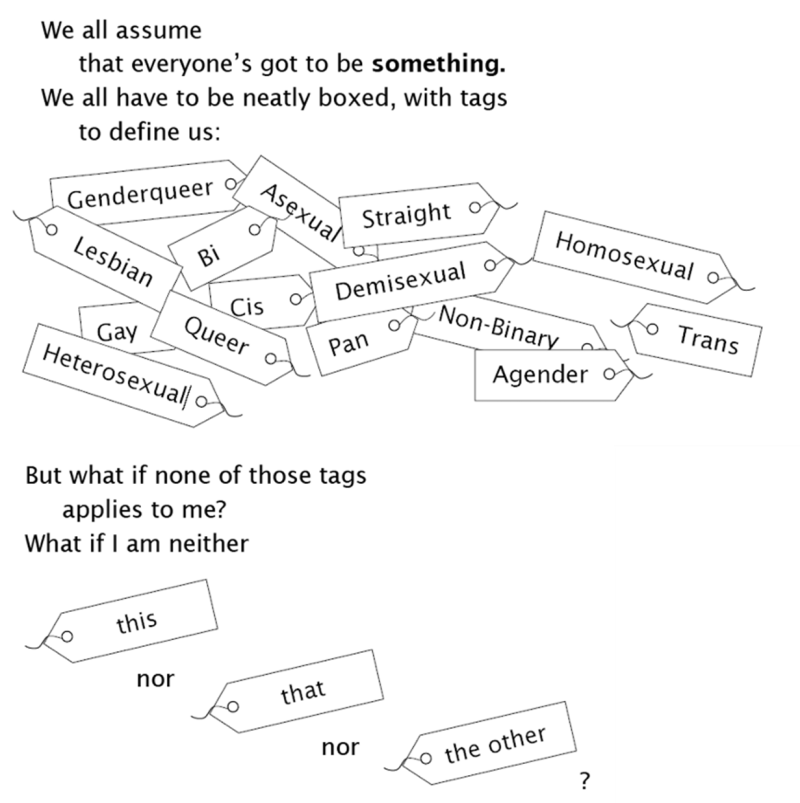
Extract from Not Going to Plan, p.171-172 |
|
RSHE, literacy, and libraries: working together to help young people
For children who can’t discuss sensitive subjects at home, the classroom is a vital sounding board. For those who confused, misled or frightened, skilled RSHE teaching is essential. The Office for National Statistics records that young people aged 16 to 19 are the most likely of any age group to experience domestic abuse and I agree with the campaign Make it Mandatory that RSHE should be continued until 18 years in all education settings.
The new guidelines recommend cross-curricular reinforcement of teaching. What better way in literacy and library lessons? An accessible age-appropriate cohort read is a great springboard than to discussion because stories can present multiple topics with authenticity, context and nuance; they’re an entertaining and engaging way to provide multiple perspectives and boost empathy. A single compelling narrative can contain so many issues without it feeling shoe-horned and the narrative distance provided by a story can create a safe space for students to explore sensitive topics and discuss difficult issues without feeling directly targeted.
As any teen will tell you, life is a challenge. It’s muddled and scary and embarrassing, but we need to be open with our children and encourage honest debate.
"This book is definitely an arsenal for every PSHE teacher to use to cover these topics and it's perfect for conversations starters."Anne, School Librarian |
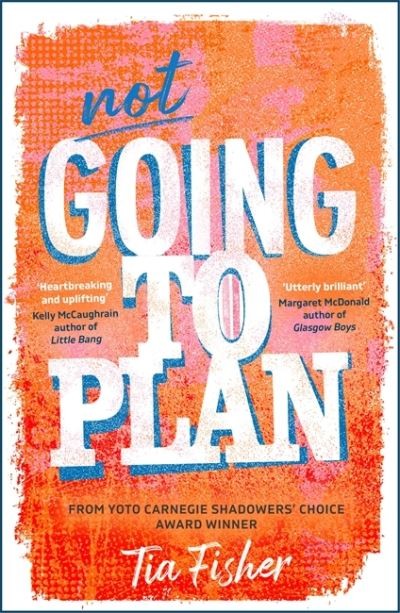 |
Not going to planMarnie's really messed up this time - expelled and forced to change schools, the only empty seat in Marnie's new school is next to Zed, a nerd with zero tolerance for mistakes. But when Marnie has sex with a boy who only pretended to wear a condom, can Marnie rely on Zed for help? £6.65 Save 26% |
Read more advice from author Tia Fisher on our blog
|
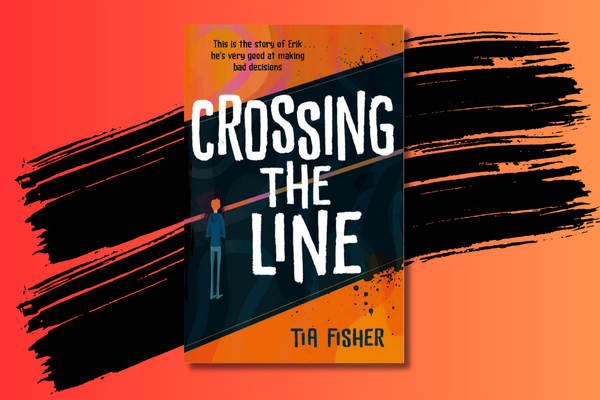
Verse as a tool for changing young people's lives: Crossing the line |
 |
- hello@peters.co.uk
- 0121 666 6646
- Send a message
- Meet the team
- Peters Ltd
- 120 Bromsgrove Street
- Birmingham
- B5 6RJ