GO
Sorry, but you already have a basket with that name. Please use something else.
Are you sure you wish to delete this basket?()
This action cannot be undone.
Sorry, something went wrong
Please report the problem here.
Non-Fiction November: the significance of non-fiction texts in the classroom
November 1st 2024
National Non-Fiction November is the Federation of Children’s Book Groups’ annual celebration of all things factual.
The whole month celebrates all those readers that have a passion for information and facts and attempts to bring non-fiction celebration in line with those of fiction. This year’s theme is ‘Why Don’t You?’ which aims to stimulate discussion about hobbies and leisure activities and to encourage children to try something new.
Children's Book Specialist Zeena explores the importance of KS1 non-fiction books in the classroom and shares the benefits of using non-fiction texts for guided reading.
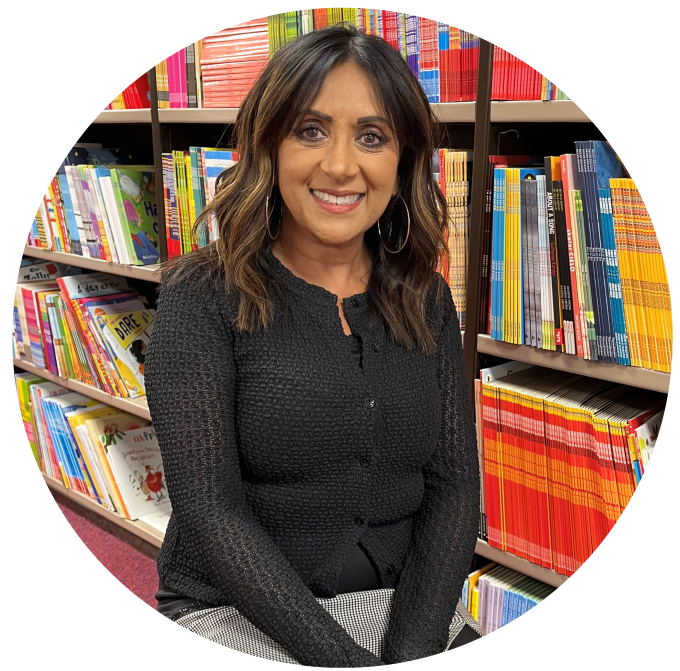 |
Zeena | Children's Book Specialist Zeena was a junior school teacher for 34 years before joining Peters. She has also tried a variety of other jobs including nannying, ICT, financial consultancy, and even managing a diet clinic on Harley Street, but teaching was the only thing to give her real job satisfaction. She joined the Peters team in early 2019 and is having lots of fun reading picture books! |
The importance of non-fiction books in the classroom
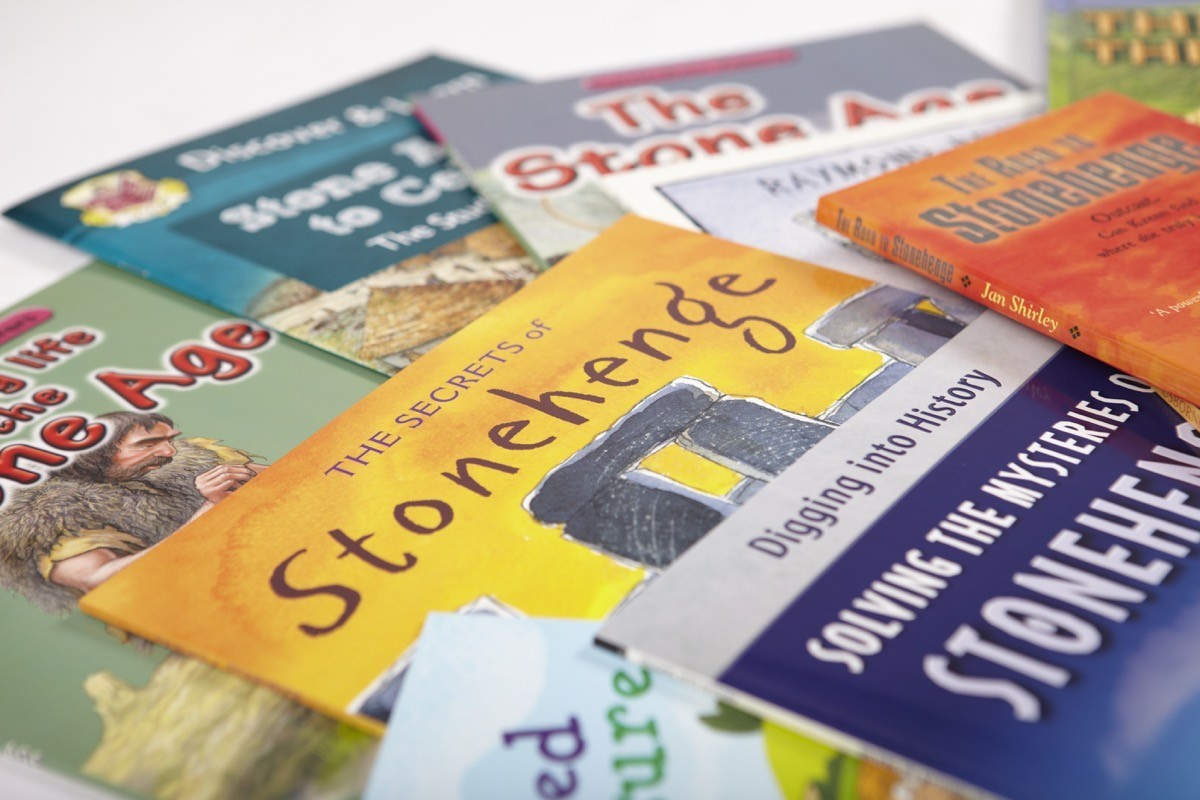
Research shows that children who read non-fiction regularly tend to perform better academically. This is because non-fiction reading helps them to acquire the knowledge and skills needed for success in subjects like science, history and geography.
Non-fiction books provide information about the world and help children to learn about a variety of different subjects. This helps to build their general knowledge and understanding of the world around them to make connections between what they learn in the classroom and the real world. Consequently, this makes learning more relevant and meaningful.
Non-fiction books play a crucial role in the classroom for several reasons:
-
Teaching the value of reading: Non-fiction books teach children to read for a purpose, such as retrieving information or following instructions. This is a valuable life skill that extends beyond the classroom.
-
Developing reading skills: Reading non-fiction books helps children to develop specific reading skills such as identifying main ideas, understanding cause and effect and interpreting data from charts and graphs.
-
Building reading confidence: Non-fiction english curriculum books often include features like headings, subheadings and captions, which help children navigate and comprehend the text more effectively.
-
Inspiring readers: Non-fiction books can teach us new things, change our perspectives, offer inspiration and surprise us.
-
Promoting curiosity: Non-fiction books have great appeal to children who might not be interested in fiction. Topics like animals, space, technology and biographies can captivate their curiosity and motivate them to read.
-
Building analytical skills: Non-fiction books activate a part of a child’s brain responsible for analytical thinking, which helps to improve their thought process, allowing them to better understand real life concepts and forming their own opinions about things.
-
Capturing readers attention: Non-fiction books bring subjects alive in a truly unique way with a wonderful combination of words and images, which entice and capture attention in a way that fiction can’t.
-
Improving academic skills: Non-fiction books often introduce children to subject specific vocabulary and more formal language, which can improve their writing and speaking skills.
-
Supporting reluctant readers: Non-fiction books offer a welcome relief to reluctant readers, who can dip in and enjoy, as there is no beginning, middle and end as in fiction books.
-
Engaging readers: The nature of non-fiction books has been radically transformed over the past decade. No longer dull and drab, non-fiction books have taken cues from the page-turning tone and immediacy of fiction, so they are more narrative, engaging, and exhilarating. We are now gifted with a wave of compelling, inspirational, and enjoyable non-fiction books.
A classroom with a good selection of non-fiction books for topics, provides a well-rounded educational experience, catering to different interests and preparing children for future academic and real-world challenges.
Most of the writing that children do in the classroom is non-fiction, therefore it is important to expose them to different text types, so that they are familiar with and understand the key features.
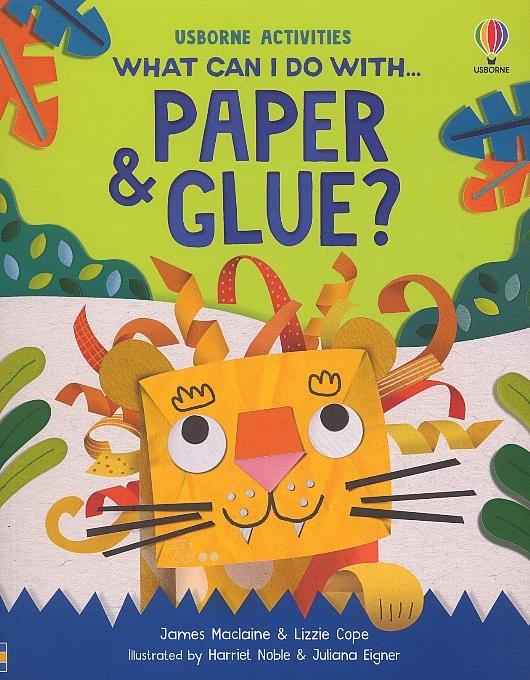
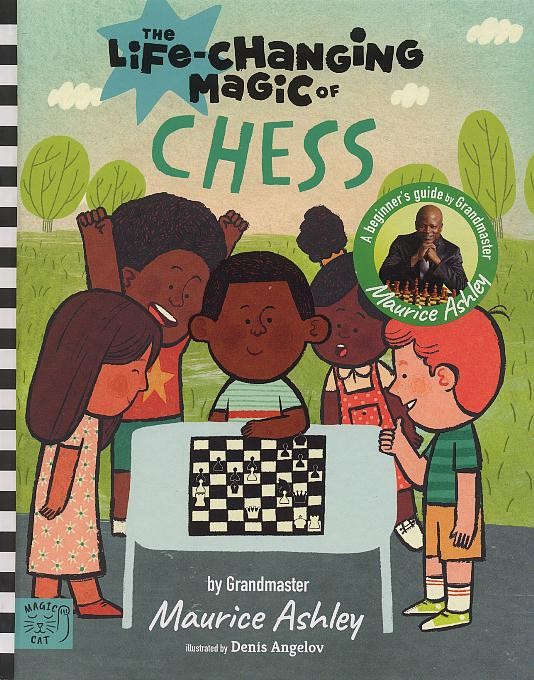
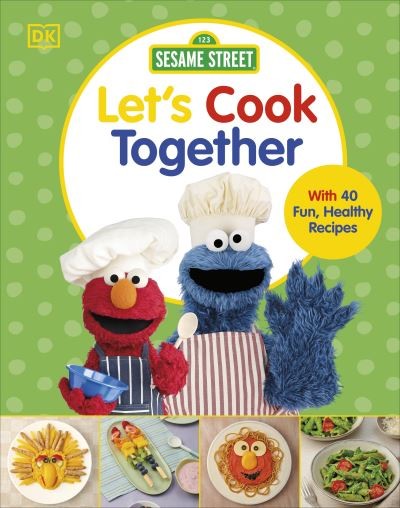
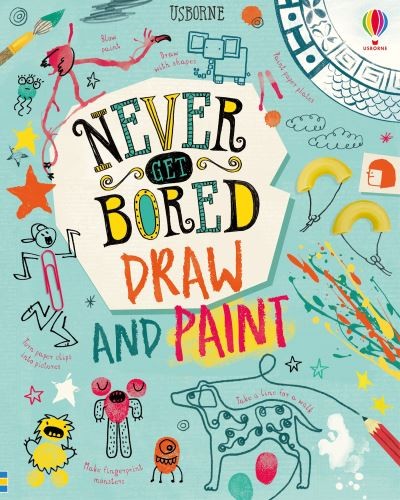
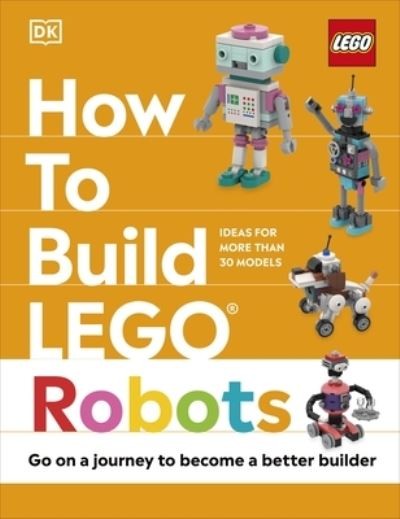
Recommended KS1 non-fiction books
 |
 |
 |
 |
 |
The benefits of using non-fiction texts for guided readingNon-fiction writing is everywhere from reading recipes, following road signs, looking at programme listings for the television or scrolling through the latest sports results. As children progress throughout school, they are expected to write more non-fiction pieces of writing from: non-chronological reports, newspaper articles, instructional writing, persuasive writing, and explanatory writing. As a result of this, it’s important that teachers teach non-fiction reading strategies to their pupils. Using non-fiction texts for guided reading offers several benefits:
To conclude, incorporating non-fiction books into guided reading can broaden students’ horizons, improve their literacy skills, and empower them to be informed citizens. |
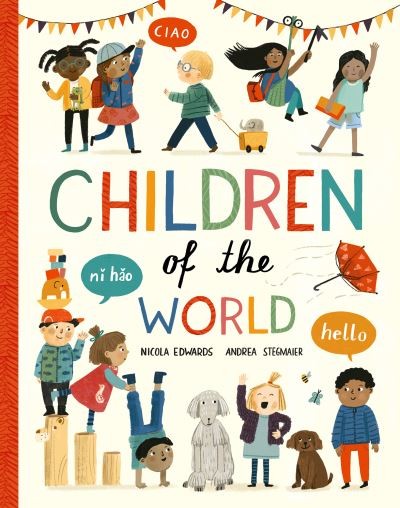
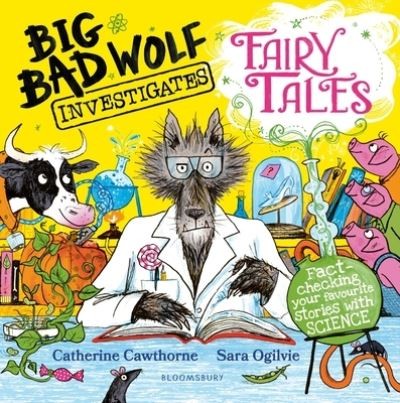
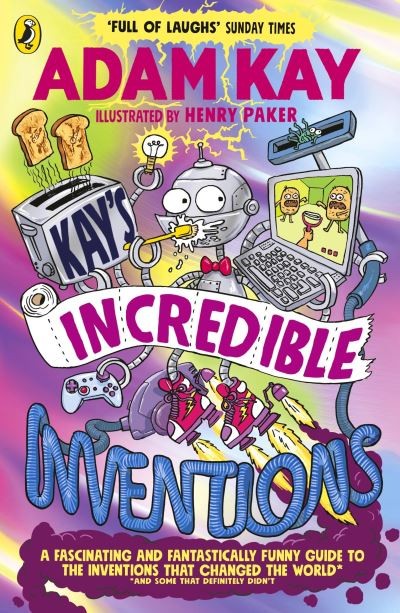
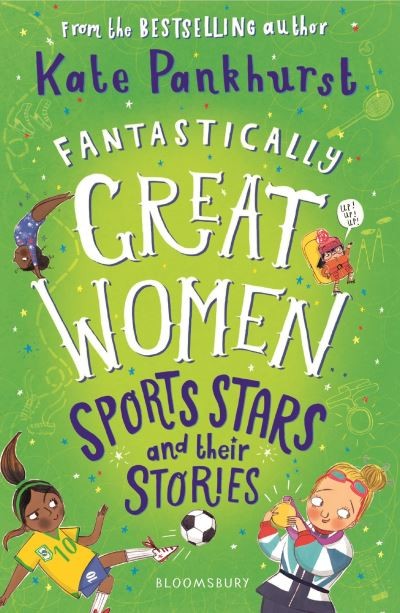
Recommended guided reading books - non-fiction titles
 |
 |
 |
 |
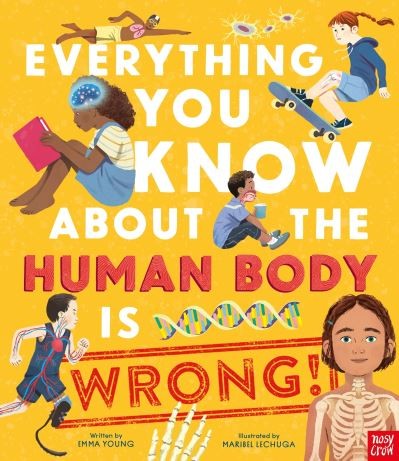 |
| Looking for bespoke help? Get in touch
If you need further advice with selecting non-fiction texts, we can help. Simply fill out our online contact form or email us at hello@peters.co.uk with your query. |
|
|
Read next:Beyond phonics: how to reach struggling readers in KS2 and KS3 |
|
 |
- hello@peters.co.uk
- 0121 666 6646
- Send a message
- Meet the team
- Peters Ltd
- 120 Bromsgrove Street
- Birmingham
- B5 6RJ