GO
Sorry, but you already have a basket with that name. Please use something else.
Are you sure you wish to delete this basket?()
This action cannot be undone.
Sorry, something went wrong
Please report the problem here.
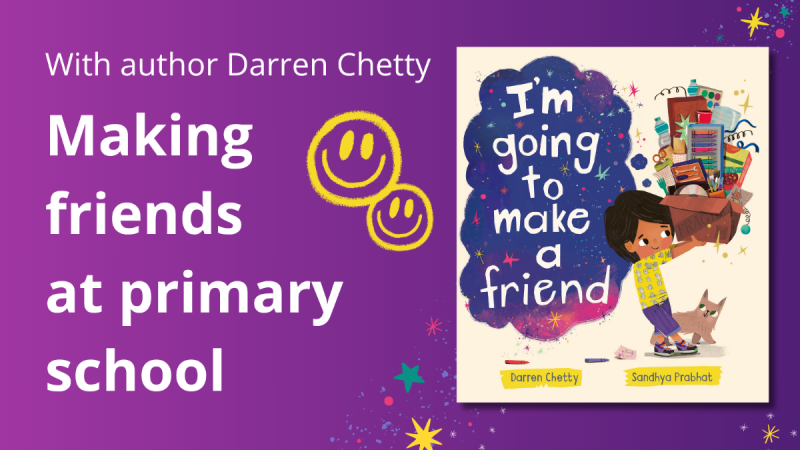
Encouraging healthy pupil friendships, with author and former primary school teacher Dr Darren Chetty
May 27th 2025
Classroom changes and new starters can throw up all sorts of feelings in young pupils, from excitement to nervousness. Making friends doesn't always come easily to some children, and teachers are in a unique position to model healthy behaviour when it comes to new relationships and potential friendships.
Dr Darren Chetty's debut picture book, I'm going to make a friend, is a lovely, original tale how to (literally) make a friend, and demonstrates how friendship can grow without being forced. Darren takes over the blog to talk about the importance of friendship in primary school, and how you can use his book to spark discussions for PSHE or empathy.
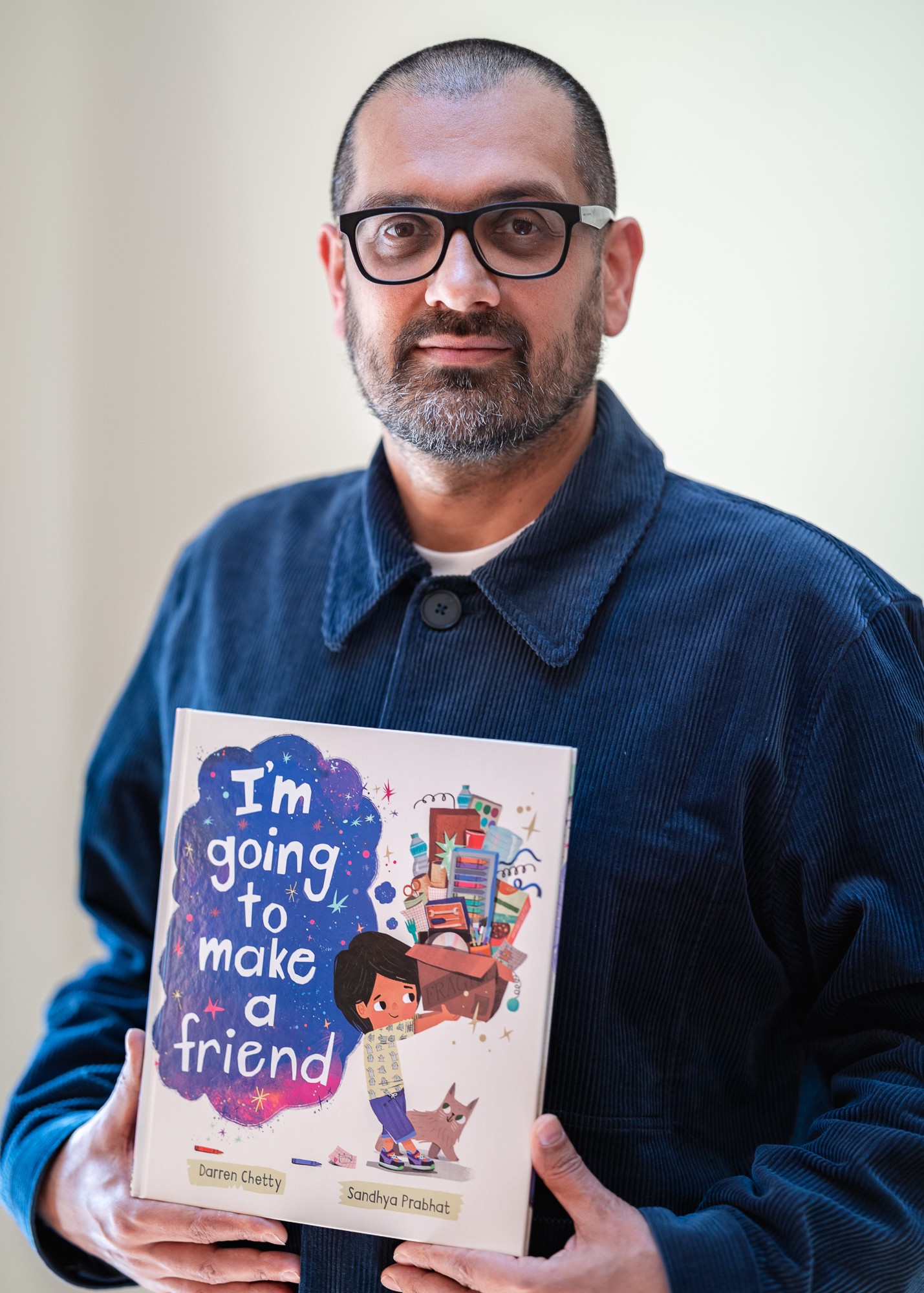 |
Dr Darren Chetty | Author Dr Darren Chetty is a writer and a lecturer at UCL, a philosophy for children specialist, and a former primary school teacher. He contributed to the bestselling book, The Good Immigrant, edited by Nikesh Shukla. Darren has published six books to date, as co-author and co-editor. He co-authored with Karen Sands O’Connor, Beyond the Secret Garden? Racially Minoritised People in British Children’s Books (English Media Centre). His debut picture book, I’m Going to Make a Friend, illustrated by Sandhya Prabhat, is published by Little Tiger. |
Should children all be friends?![]()

Friendships matter so much to children at primary school. Many teachers will be familiar with the need for post-playtime conversations in order to deal with arguments that have culminated in that devastating line, ‘I’m not your friend anymore’.
Playground rows can feel frustrating for teachers who just want to crack on with the next lesson and do their best to make sure that objectives are met. It can be very tempting to say to children that they should all be friends, and then to grow frustrated when we discover that they are not.
But I’ve never worked in a school where all of the staff were friends. Are we expecting children to do something we can’t as adults?
How can teachers encourage healthy pupil relationships?
Perhaps we can make a useful distinction between ‘being friends’ and ‘being friendly’. Being friends suggests a mutual relationship.
Teachers have an important role in helping children learn about relationships. We can help children to understand that friendships cannot be coerced; they can only be chosen. We can also encourage them to offer friendship while recognising that, as with any true gift, it may be politely declined sometimes.
Sometimes children’s friendship problems are dismissed as insignificant. Yet a great deal of talk between adults is about arguments, disagreements and the challenges of relationships. Working out how to cooperate, collaborate and negotiate never really stops for us. So, it can be useful to give children space to think about this for themselves and to talk about the challenges.
"We can help children to understand that friendships cannot be coerced; they can only be chosen." |
 |
 |
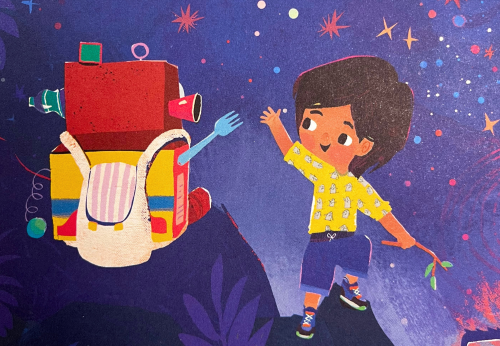 |
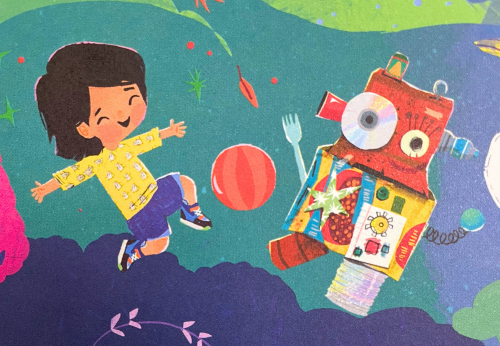
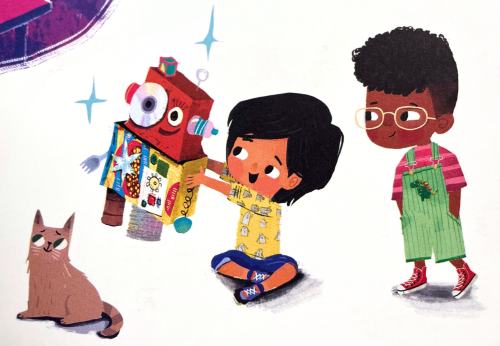
Illustrations by Sandhya Prabhat from I'm going to make a friend
Exploring friendship with I'm Going to Make a Friend
My new picture book, I’m Going to Make a Friend, is about a child who has just moved house and is eager to make a friend. They take matters into their own hands by literally making a friend out of junk material. As they do so they start to think about the type of friend they would most like.
Young readers will have their own views on the questions asked in the book. They may well find out that their views aren’t exactly the same as other children in the class. We might ask them if they think that that means they cannot be friends. Does friendship require us to always have the same interests?
Encouraging self-reflection and openness
Ultimately my protagonist does make a real-life friend – but not before they switch from thinking about the type of friend they’d like to have, to thinking about the type of friend they’d like to be. The friendship grows out of a shared creative project to complete the robot friend. Do all friendships involve collaboration and doing things together? Does it matter what is being done?
Perhaps children can learn that friendliness towards others need not result in making a friend, but that it just might. And that’s just fine.
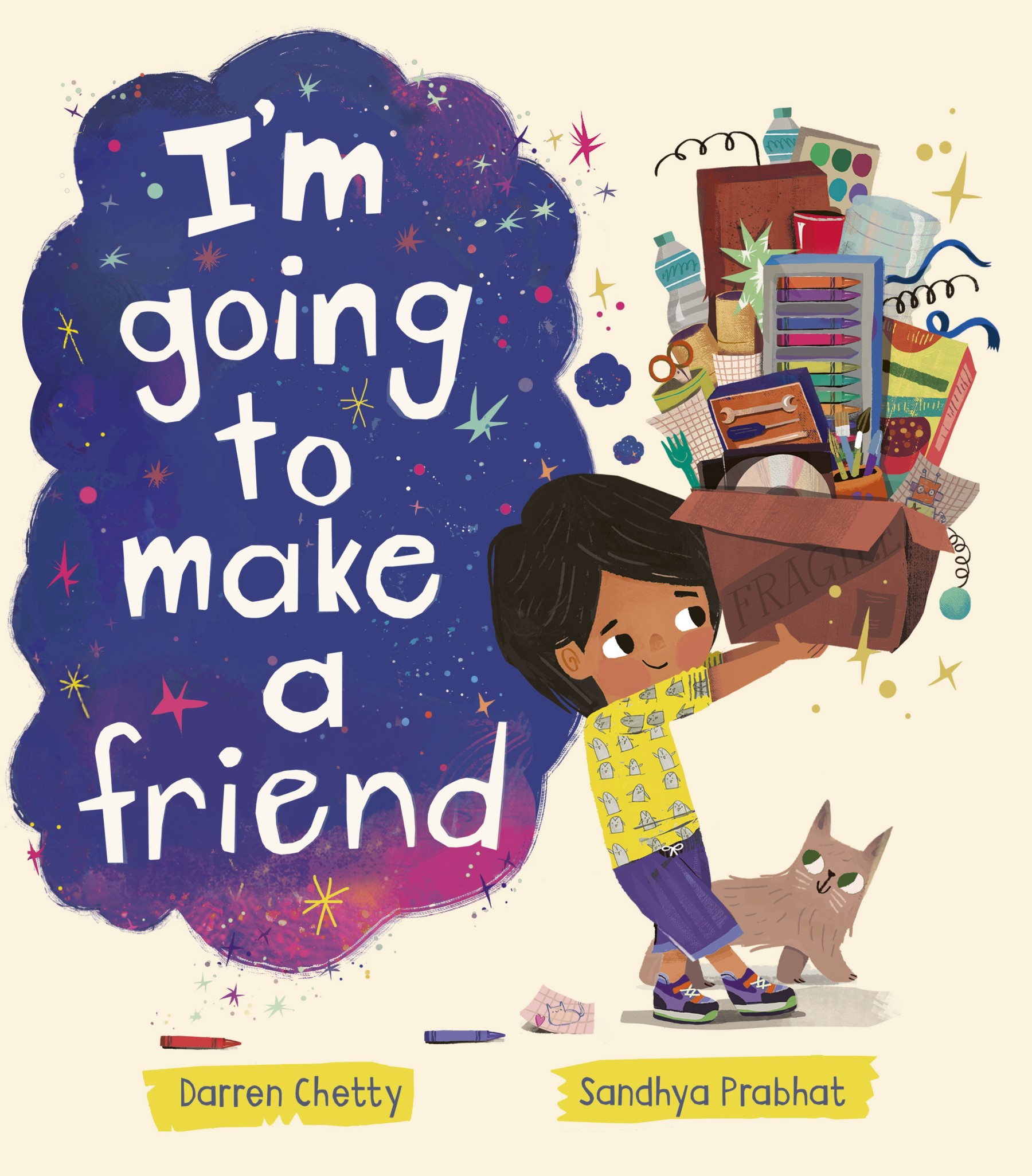 |
I'm going to make a friendMoving neighbourhood comes with many challenges, especially making new friends. How long will it take? Will they play how I want to play? Will they hug me when I'm sad, or give me space? So many questions! But in the end, the only thing you can do is dive in and give it a go. You pay £9.61 RRP £12.99 Save 26% |
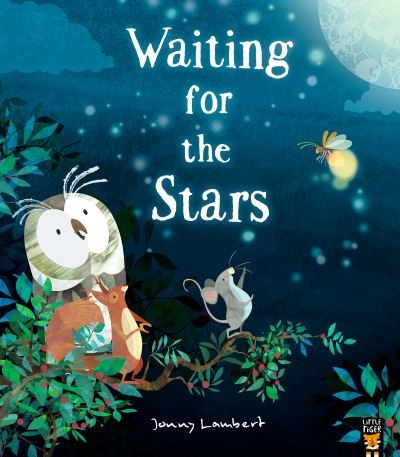
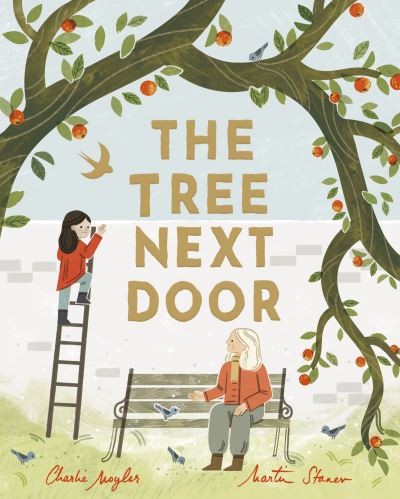
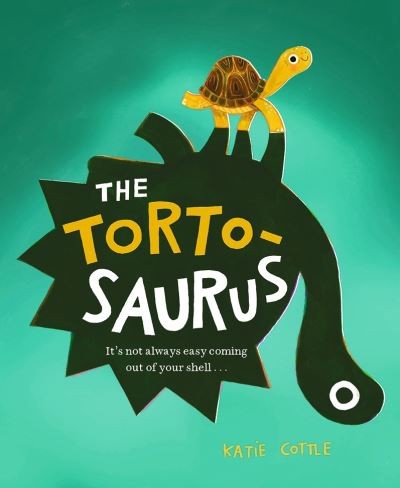
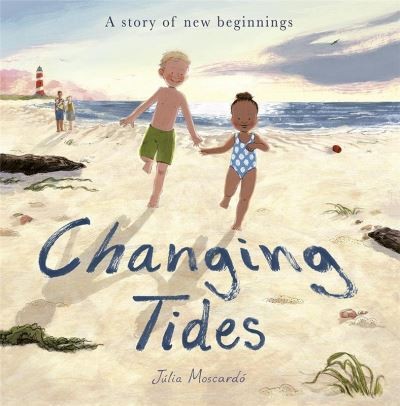
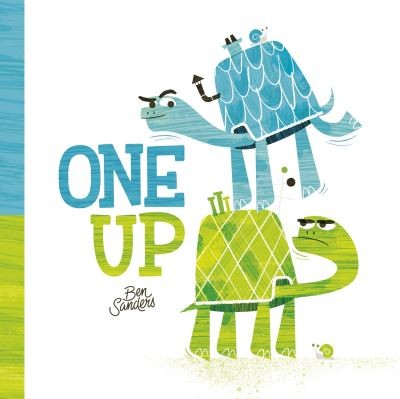
Share with young pupils these PSHE recommendations on friendship, cooperation and change
 |
 |
 |
 |
 |
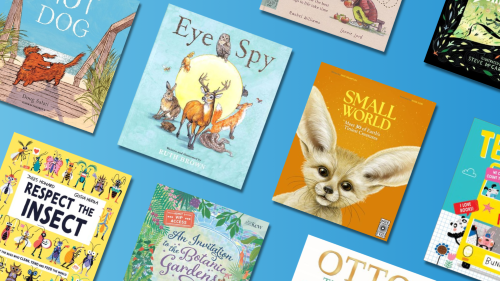
Looking for the best new picture books ? Check out our librarians' recommendations
|
Children's Librarian Laura's list of best new illustrated books |
 |
- hello@peters.co.uk
- 0121 666 6646
- Send a message
- Meet the team
- Peters Ltd
- 120 Bromsgrove Street
- Birmingham
- B5 6RJ