GO
Sorry, but you already have a basket with that name. Please use something else.
Are you sure you wish to delete this basket?()
This action cannot be undone.
Sorry, something went wrong
Please report the problem here.
How Lulu Gets a Cat can get us talking about consent...
July 13th 2021
Anna McQuinn is the creator of the successful inclusive series Booky Girl Lulu and Zeki Books. Her eloquent style of writing brings all aspects of a subject together in the most poetic way. She has written over 30 picture books and is published worldwide in many languages. In this blog post, she explores how her book Lulu Gets a Cat can help schools and parents explore the issue of consent with children.
As with most difficult issues, the answer is usually to start with 3-year-olds and use a picture book! This is no exception, so here's my suggestion for teaching consent using Lulu Gets a Cat.
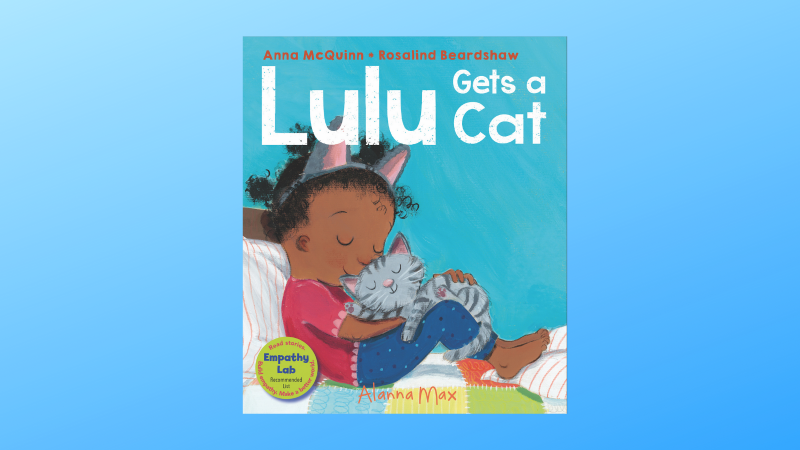
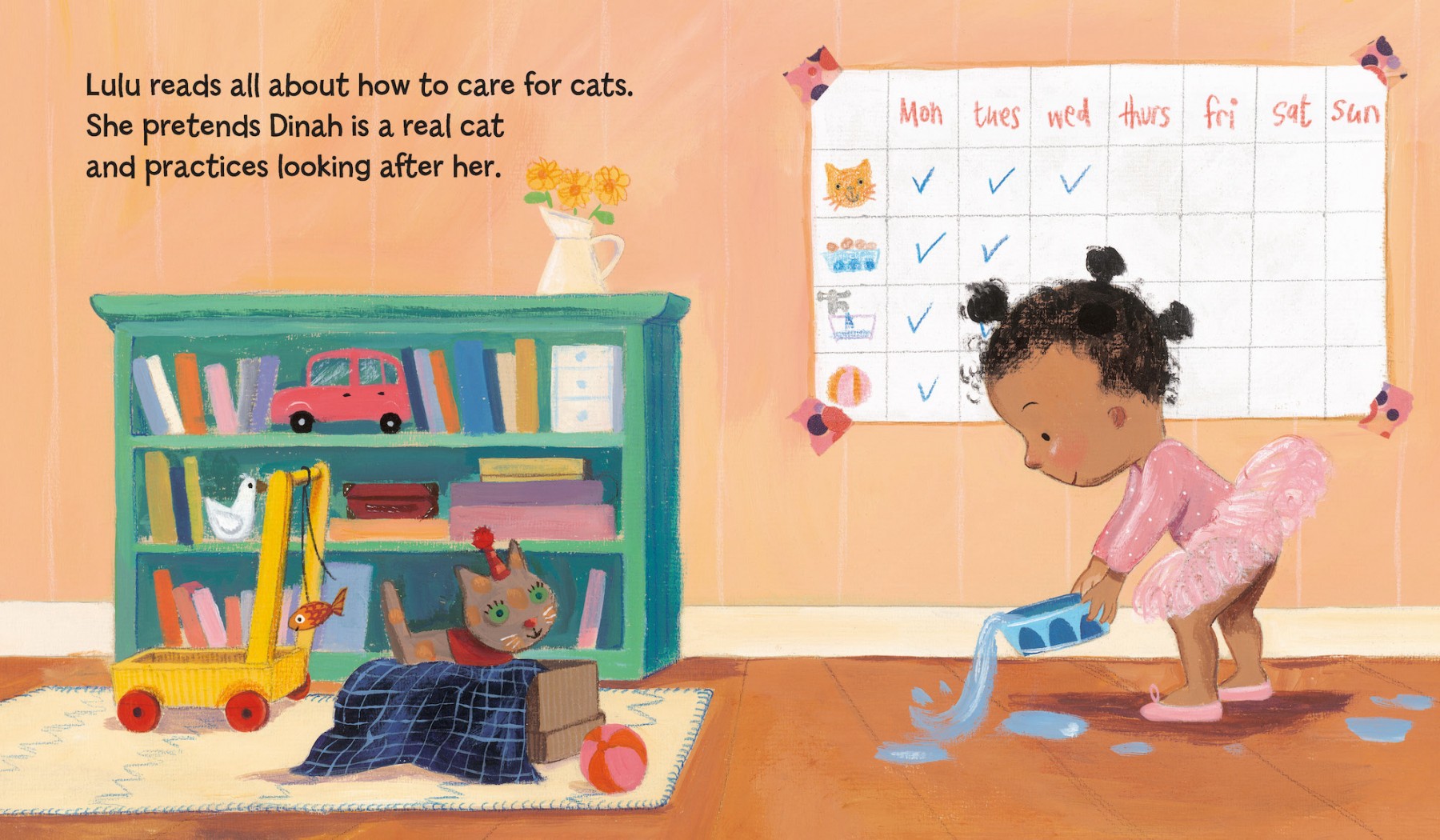
In the story, we meet Lulu, who loves cats and wants to have one. Her mother is not convinced! But Lulu is never one to be put off, so she and her mother read stories about cats and books about caring for them. Lulu has a sticker chart to log caring duties which she fills in, and eventually, Mummy is persuaded. Together they research adoption and make an appointment with the local shelter. There, Lulu is given a choice of three suitable cats but before she can choose, one little cat chooses her. How adorable!
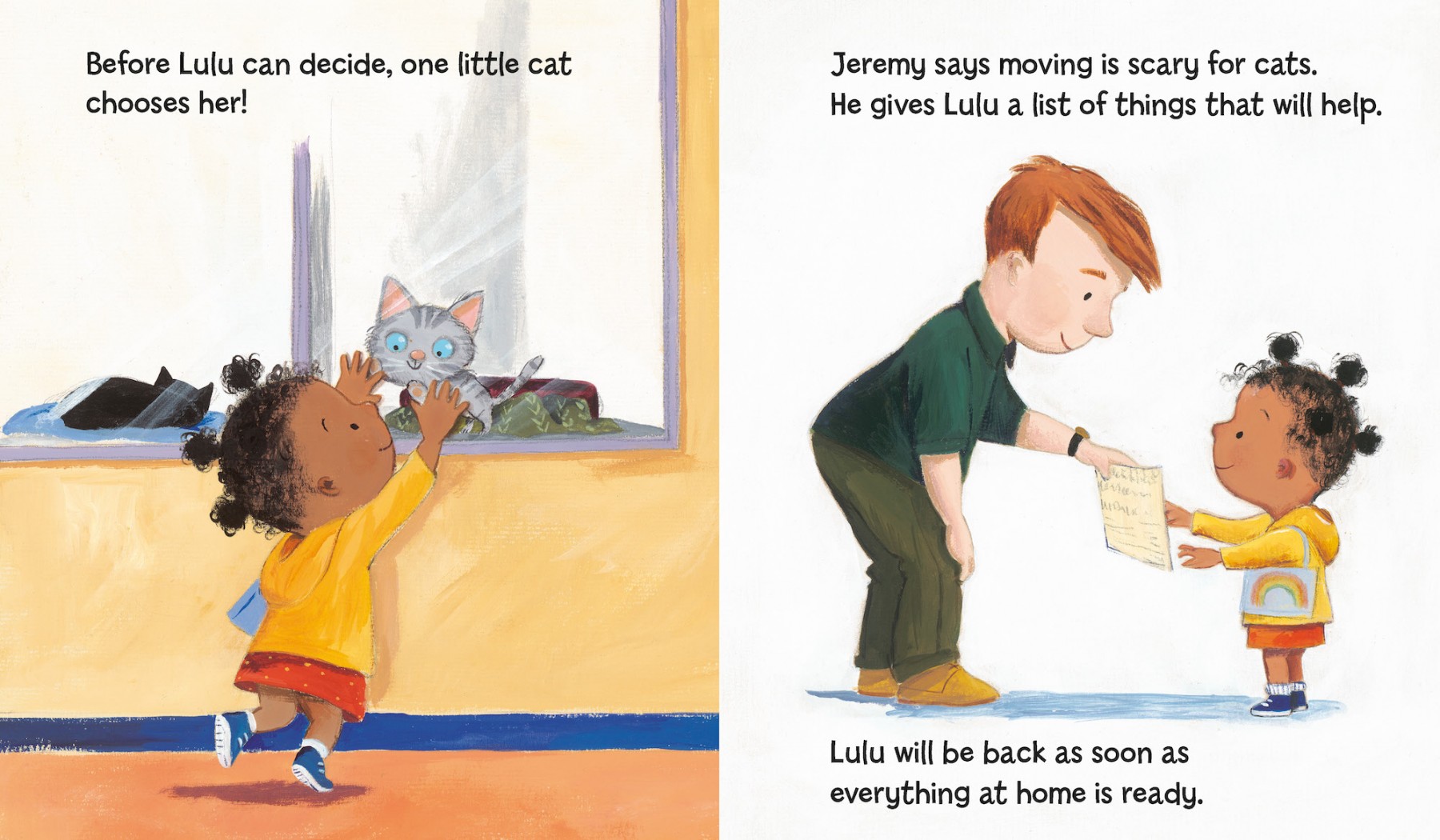
At this point, any 3-year-old would expect to hug the cat and take it home. But worker Jeremy explains that the little cat will find the change traumatic, and he gives Lulu a list of things she needs to do to prepare for the cat's arrival. When everything is ready and Lulu returns to the shelter to collect her cat, she goes with a lovely sense of enthusiasm. Something she likely expects the little cat to reciprocate. On the contrary, we can see that the little cat is still scared. Once at home, one can imagine that any 3-year-old would immediately want to cuddle the new arrival. However, the little cat is scared in her new surroundings. Something we can see in her body language.
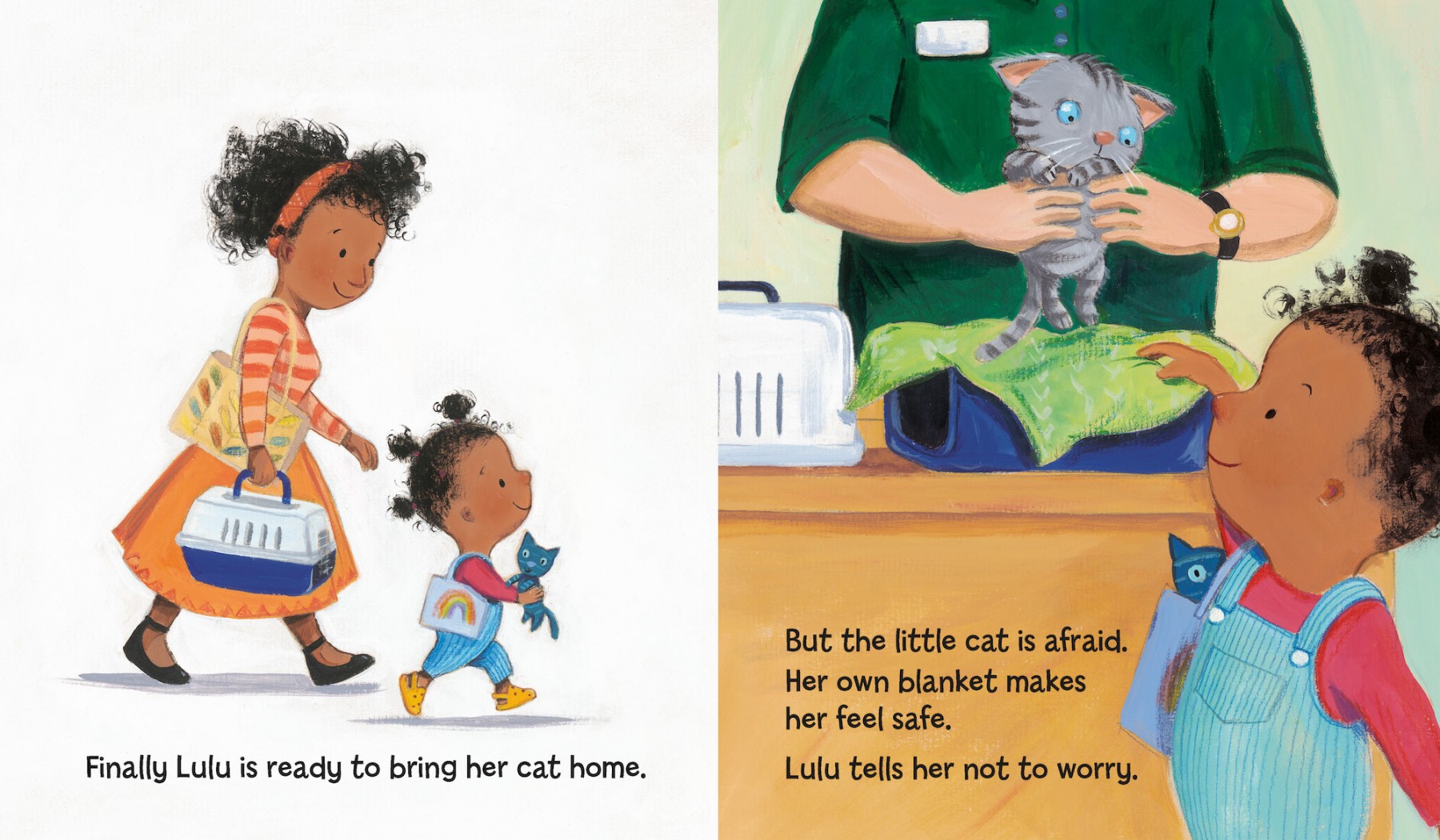
Because of her research, Lulu knows this. So, even though it is hard to do, she holds herself back and puts the needs of the little cat before her own. We see from Lulu's body language how hard it is for her too. This for me is the most powerful spread in the book. It shows an extremely complex moment. Lulu is full of delight at the long-awaited arrival of her new cat and naturally wants to play and cuddle. This spread provides a perfect opportunity to talk about autonomy and boundaries, about comfort and physical interactions, about mutual respect and respecting others needs and putting them before our own.
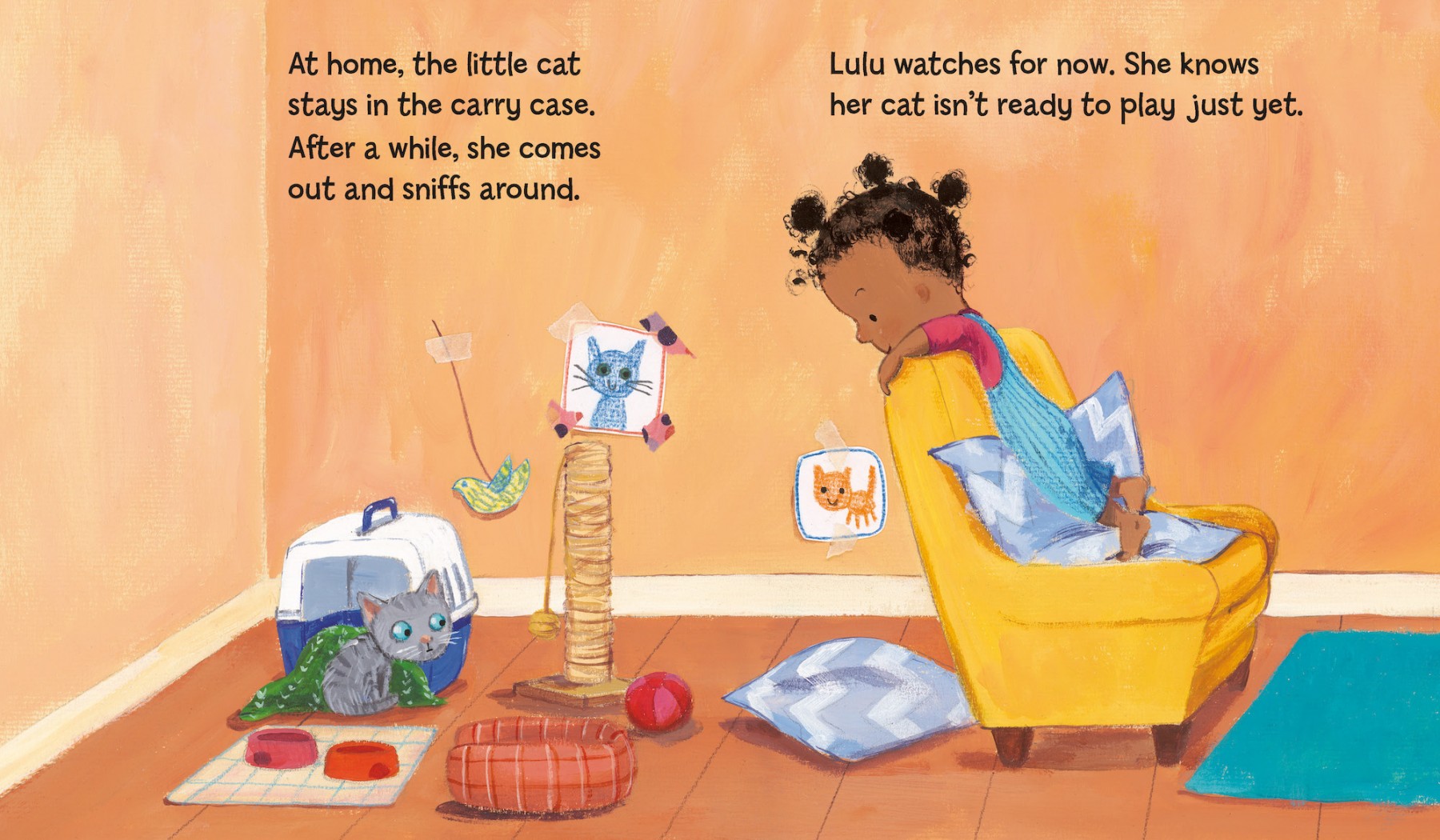
A parent or teacher can ask a child how they think Lulu feels? How does the little cat feel? And talk about what might happen next.
In the story's following pages, Lulu gradually builds her relationship with her new cat. She is rewarded for her patience and respect with the deep trust and love the little cat develops for her.
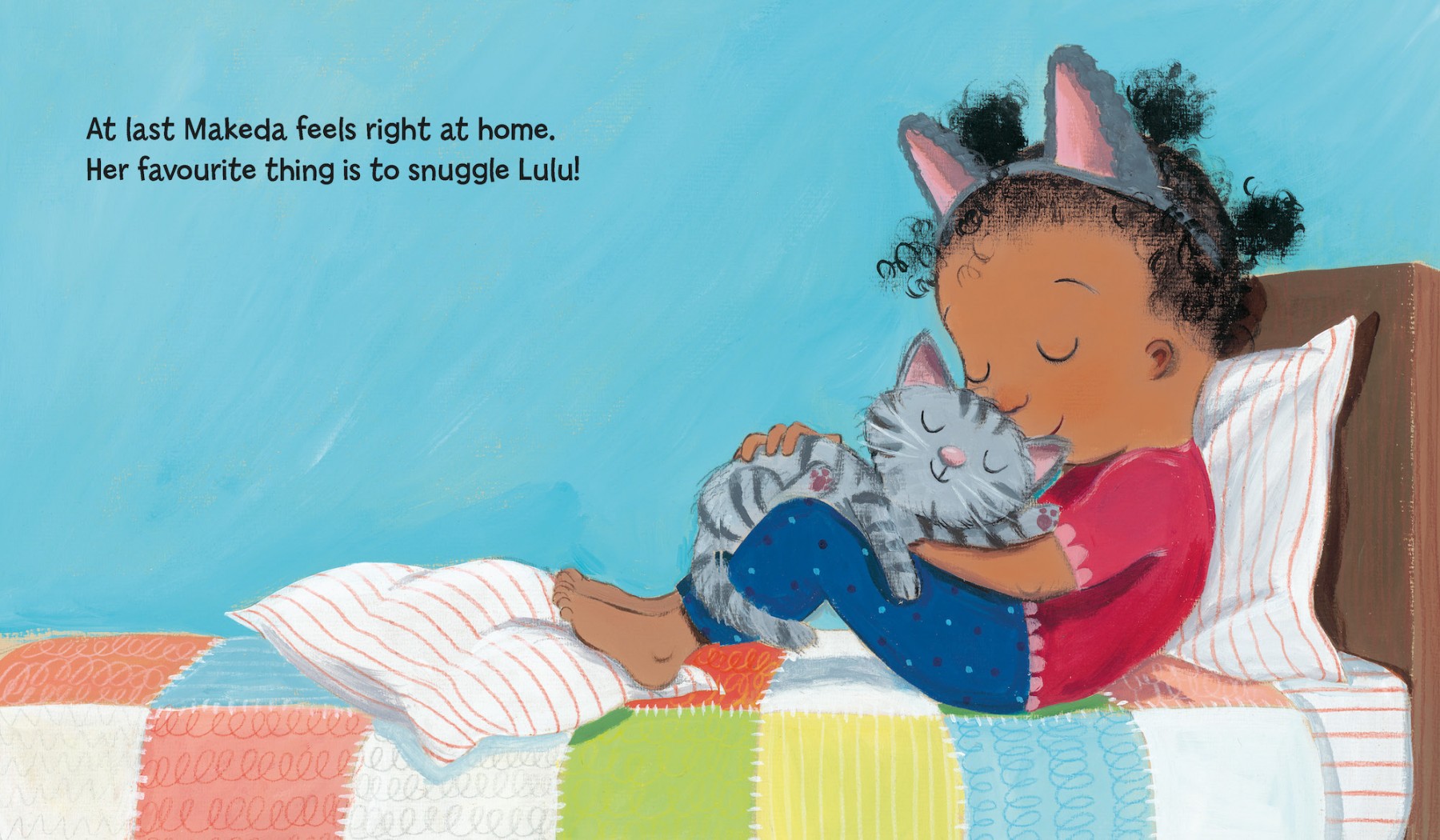
And the book shows that we can have a meaningful conversation about consent because bodily autonomy and respect are essential. Unwanted hugs or touches can be distressing. Discussions around that help children to think about another's needs which might be different from their own. Discussing such issues lays a solid foundation for positive behaviour in the future.
Lulu Gets a Cat is a Peters recommended read and was chosen for the EmpathyLab book collection in 2018 – find out more.
- hello@peters.co.uk
- 0121 666 6646
- Send a message
- Meet the team
- Peters Ltd
- 120 Bromsgrove Street
- Birmingham
- B5 6RJ