GO
Sorry, but you already have a basket with that name. Please use something else.
Are you sure you wish to delete this basket?()
This action cannot be undone.
Sorry, something went wrong
Please report the problem here.
Diversity in fantasy: The importance of positive representation
June 30th 2025
In recent years fantasy books have surged in popularity, opening up a world of imagination through powerful storytelling and compelling characters. The fantasy genre has also grown to represent the world we live in, creating meaningful discussion and understanding with diverse voices and leading inclusive characters.
Peters' School Sales Coordinator Nikki delves into the growth of diverse and inclusive fantasy fiction books and highlights standout fantasy reads. She also discusses the power of the popular Skandar series, demonstrating inclusion and positive representation to empower and engage your pupils.
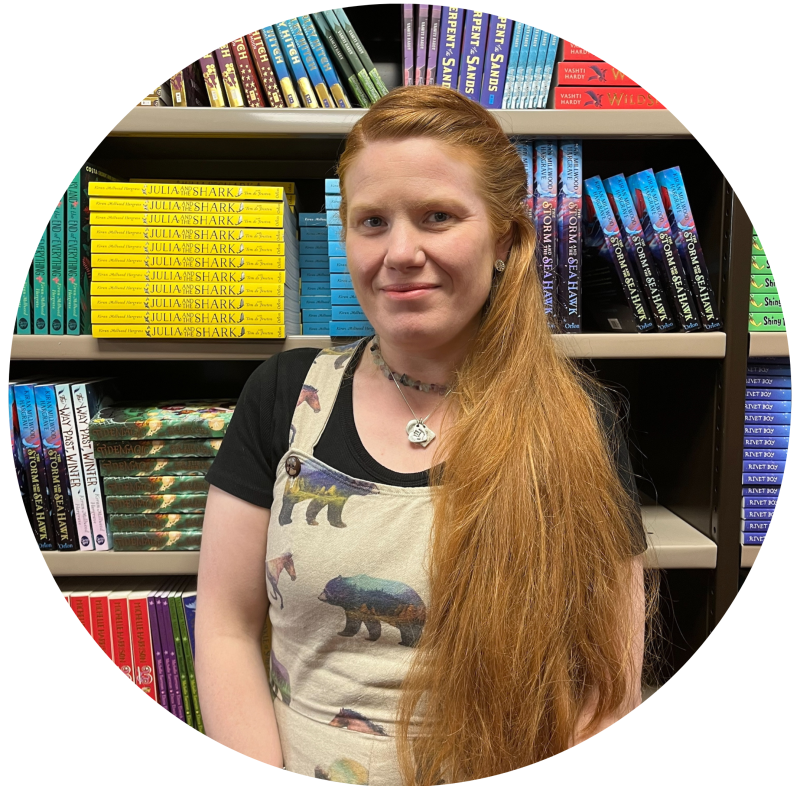 |
Nikki | School Sales Coordinator Nikki has over 10 years' experience working in childcare and early years education. She especially loved the messy play and creating an engaging environment for young learners to thrive. At Peters, she plays a key role in supporting schools with their unique book requirements, ensuring they receive excellent service, while building strong relationships. Outside of her role, she enjoys crafting, playing board games and reading fantasy books. |
The rise of diverse storytelling in fantasy books
One of the things that I love most about fantasy fiction is that it embraces the idea that a hero can come from anywhere. If tiny hobbit can decide the fate of Middle Earth then surely the message for young readers is that anyone can be anything?
Despite this very inclusive theme at the heart of fantasy, when I look back at the books I was reading as a child, I realise that they were often very lacking in diversity.
For a long time, fantasy writing was dominated by white, straight, non-disabled male authors and the writing reflected this with very little representation of other views or even promulgating light vs dark/good vs evil tropes.
Thankfully publishing has come a long way, and fantasy books increasingly reflect a more diverse human population alongside their cast of fairies, unicorns, demi-gods and dragons.
Why positive representation in fantasy books is essential
Positive representation is particularly important for young readers, offering a valuable insight into the experiences of others. It’s fantastic to see more characters being written from different backgrounds with varied abilities, personalities and preferences.
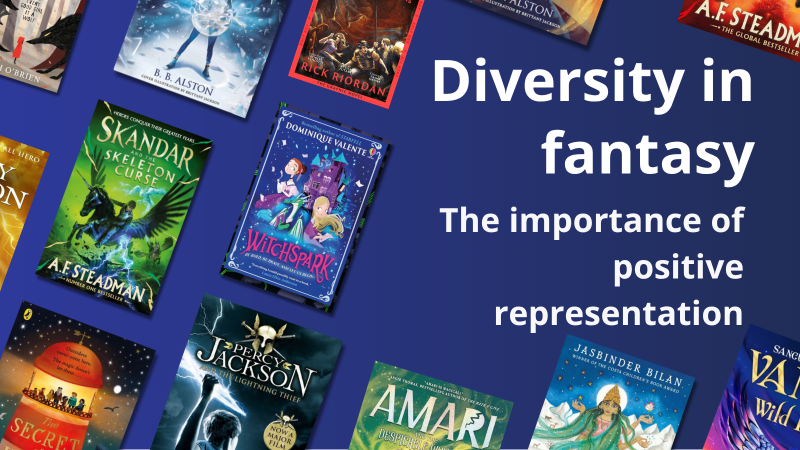
The more diversity we see, the more chance we have of young people recognising their own experiences within the narrative and wanting to read on. More and more of our fantasy heroes and heroines are coming from black or ethnic minority backgrounds – such as B.B. Alston’s Amari – and the range of books featuring a more diverse spread of supporting characters is growing too, for example the Percy Jackson and Peregrine Quinn series.
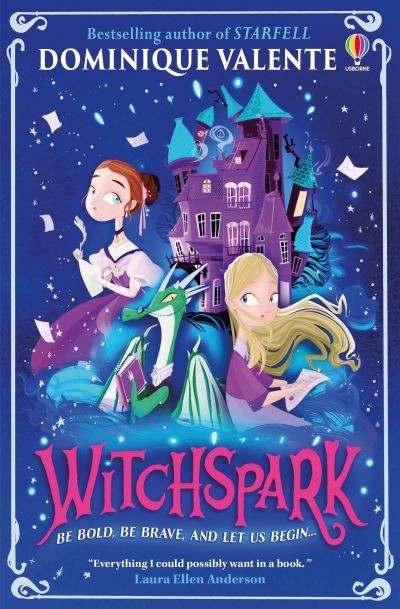
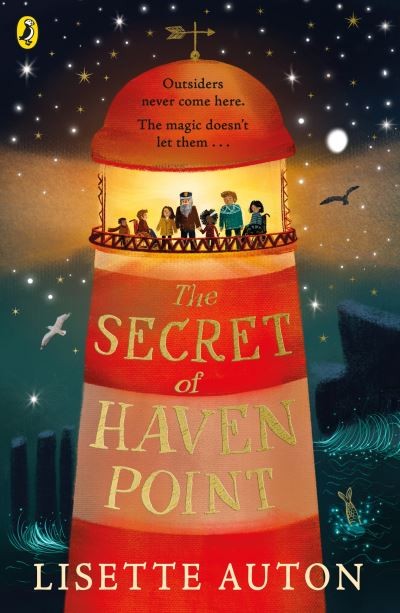
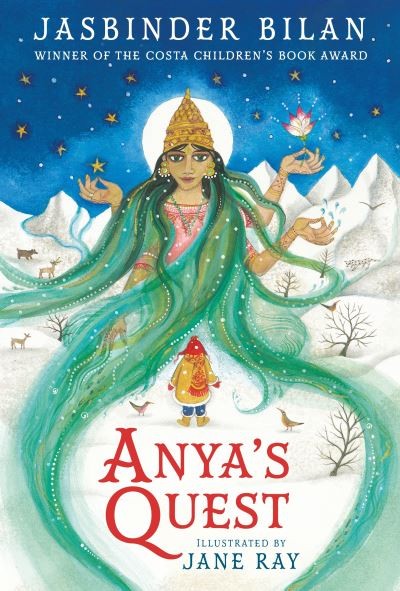
We are also seeing more great fantasy fiction that draws on mythology and culture, such as Anya’s Quest by Jasbinder Bilan. Disability representation is steadily improving too, with titles like Lisette Auton’s The Secret of Haven Point and Dominiques Valente’s Witchspark, featuring young people with disabilities as central characters or Wolf Siren whose main protagonist is partially sighted.
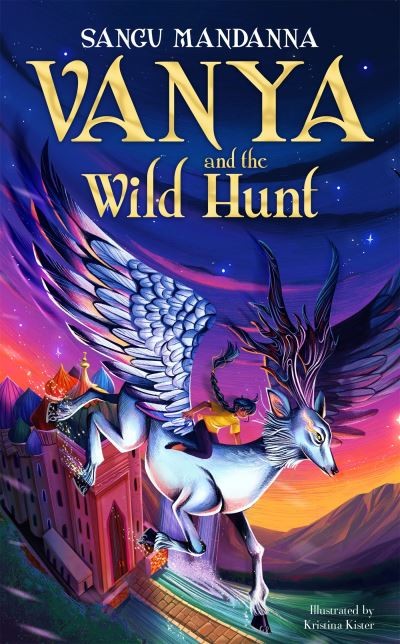
We are also seeing more neurodiverse characters in leading roles, for example, Vanya whose ADHD is a key part of her characterisation in Vanya and the Wild Hunt, or Gina Kaminski, who has autism, for younger readers.
Diverse fantasy series recommendations
Diverse fantasy book recommendations
|
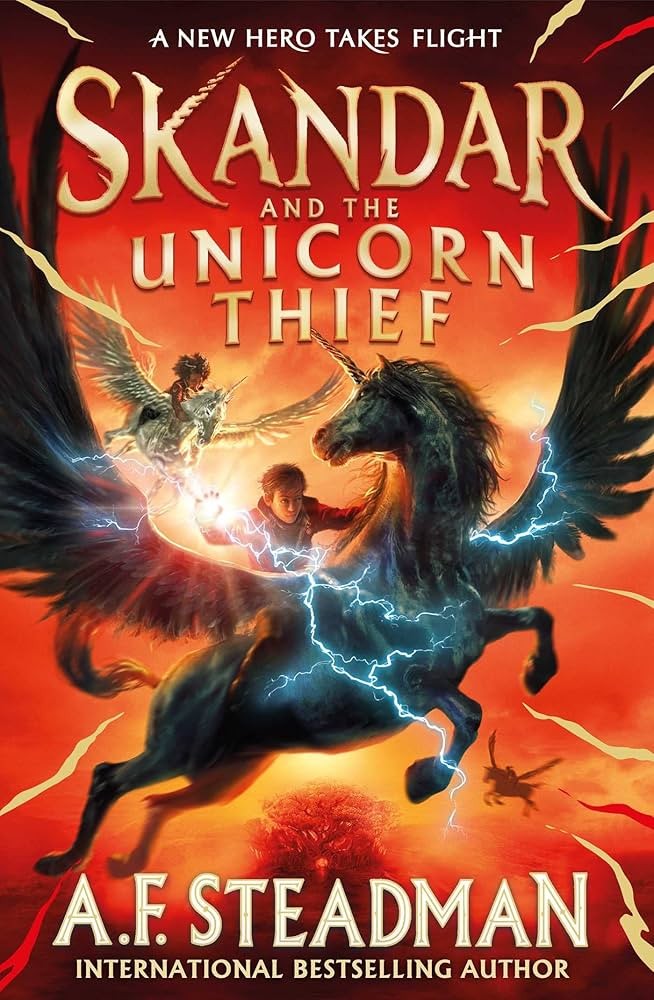
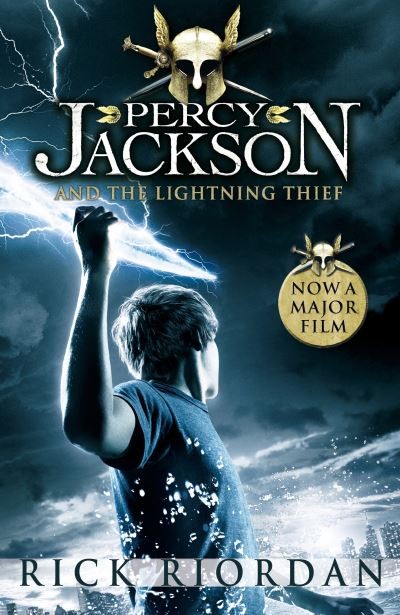
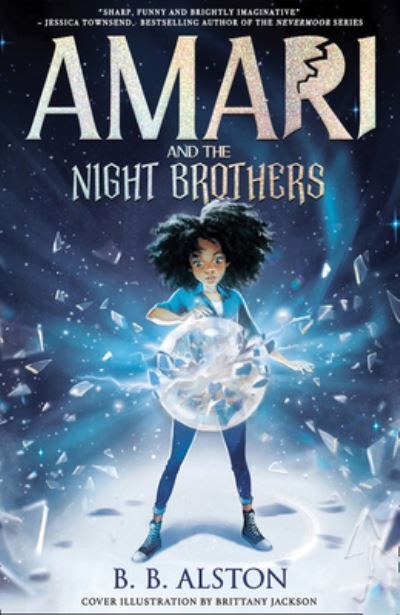
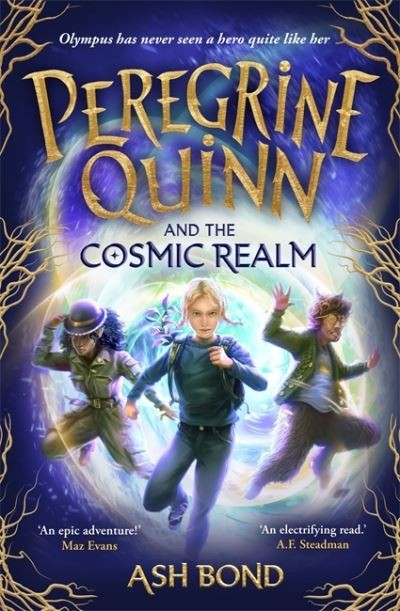
Skandar spotlight
The standout diverse fantasy series 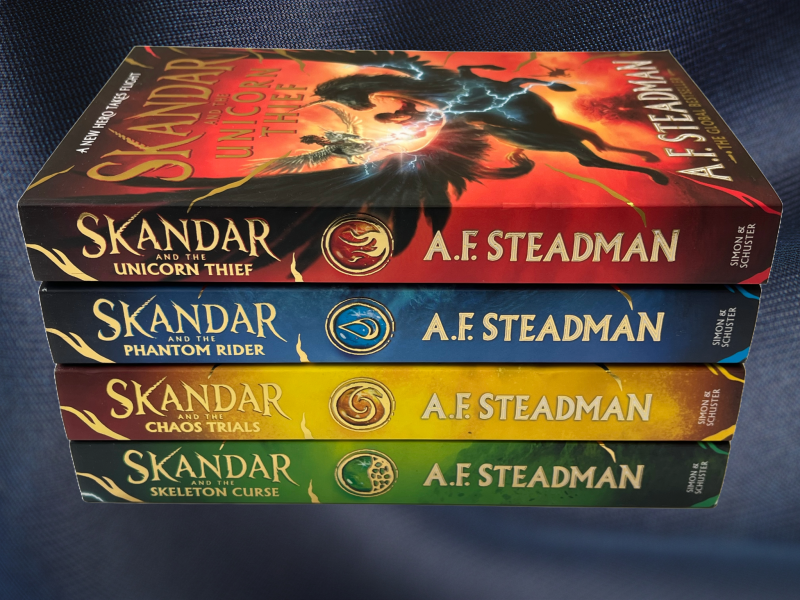
One series that has really stood out for me is Skandar by A.F. Steadman. It’s a fantasy series with a wide universal appeal, where even the unicorns are stereotype-defying feisty carnivores rather than the delicate, gentle creatures that you might expect them to be.
Despite the action mostly taking place on a mystical island populated by unicorns, the characters feel very real and relatable. In the first book Skandar seems an unlikely hero. While waiting to try the Hatchery door he sees many candidates that seem to better fit his image of unicorn riders and yet we see him grow and triumph as the series goes on.
Skandar comes from a single parent family and his Dad is struggling with mental health issues that impact on his ability to earn and on his parenting. This is explored with sensitivity and while the difficulties that the family face are highlighted, it is made clear that they are still a close, loving family.
The books are wonderfully inclusive, with unicorn riders coming from a variety of backgrounds and with boys and girls training in the same way.
There are many strong female characters and several of the leadership positions are held by women.
How the Skandar series is changing the fantasy genre
When asking whether they will miss Mainland festivals while training, the children ask about Eid, Hannukah and Diwali as well as Christmas. A.F. Steadman’s vivid character descriptions make it clear that the island community is formed of people with different ethnic heritages in a way that feels natural rather than a conscious effort at being inclusive.
Disabilities and medical conditions are mentioned in the same casual way; making them part of a character rather than the main thing about them. Primrose has diabetes and it isn’t mentioned in her initial description but comes up when she checks her insulin level. It is not the first thing that we learn about her and managing her condition is worked seamlessly into a scene of young people gathering and chatting making it feel like a natural part of everyday life.
Physical impairments are no barrier to unicorn riding and the elite speed riders of the Peregrine Society include a wheelchair user who manages both his unicorn and his mobility aids with skill and independence. Mental health is handled skilfully too though Skandar’s father, Bobby’s panic attacks, and through exploration of how the villains’ experiences may have led them to where they are.
Bobby’s panic attacks are portrayed with sensitivity and continue throughout the stories, rather than being treated as a problem to be solved. Her friends learn how to support her and she isn’t rushed into “feeling better”. She also describes how, at first, her parents didn’t take her panic attacks seriously and I think there is a lot that will resonate with people who have similar experiences. There are some same-sex relationships mentioned, again, in a casual way that makes them no more or less important than any of the other budding teenage relationships.
"Above all, the characters in Skandar are very human- flawed and as equally capable of growth and change as they are of making mistakes and bad decisions. I can’t wait to see where all the storylines go in the final instalment, coming this summer." |
The role of community in the Skandar series
The Island community that A.F. Steadman has created is rich and inclusive and seems free of racism, homophobia or any of the other discriminations that we sadly expect to encounter in real world situations and yet the books explore prejudice in great depth.
Skandar and his sister both endure taunts and snubs because they are different. When he first comes to the island Mitchell is very judgemental of Skandar’s Spirit wielding ability, and it takes a long time for him to fully accept Skandar. Flo captions the concept of prejudice brilliantly when she says, “he hates the idea of you, that’s all” and goes on to tell Skandar that Mitchell can’t unlearn all the views he’s had impressed upon him all his life in a few hours, just because he has met Skandar.
It is acknowledged that Mitchell didn’t have any control over the views he was raised with, any more than Skandar had control over being born a spirit wielder. Their friendship grows as they learn about each other, and Mitchell comes to accept and eventually embrace the Spirit Wielding that makes Skandar stand out. I love that the series includes characters whose opinions change as they learn more alongside characters who rigidly hold onto their prejudices.
Mitchell’s changing views tie in nicely with his difficult relationship with his father, who has high expectations and isn’t very accepting of Mitchell and Red’s true natures. Jamie has similar issues with his parents who struggle to accept that he has chosen to become a blacksmith, rather than a bard, but his parents handle this very differently. It is great to see so many attitudes to parental and societal expectation explored, while at the same time the budding same-sex relationship between Jamie and Mitchell is never an issue.
The Skandar series deftly explores so many themes around prejudice, growth, and acceptance while having a cast that feels naturally diverse and inclusive. There is so much for young readers to discuss and the positive, inclusive characterisations mean make the stories identifiable for such a wide range of people.
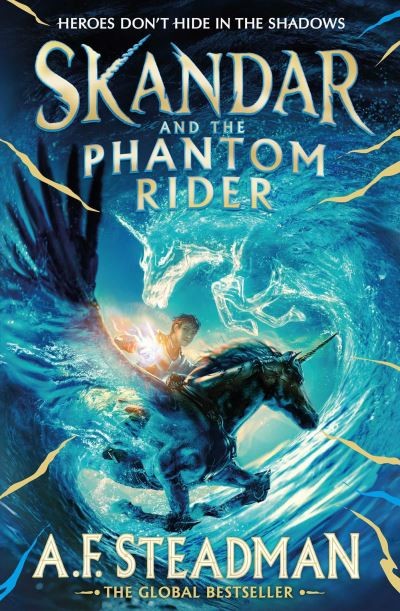
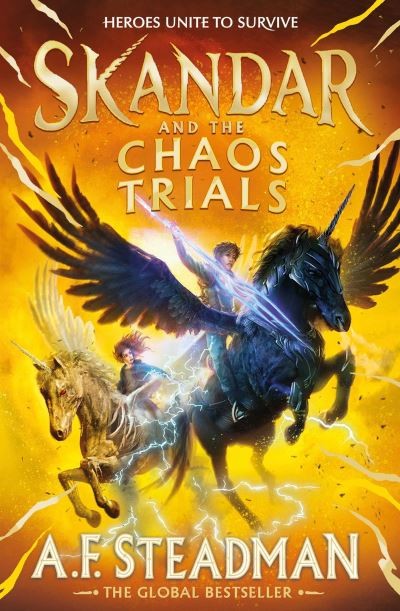
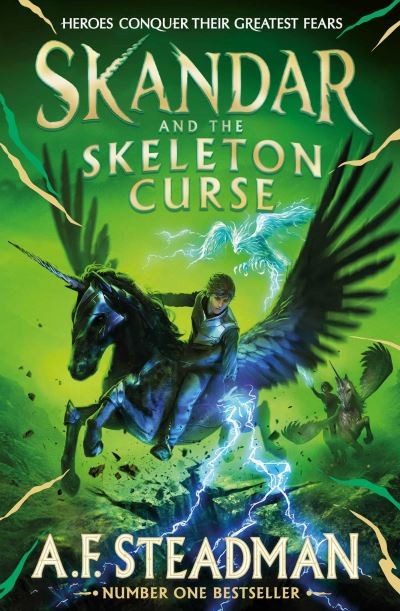
Skandar series
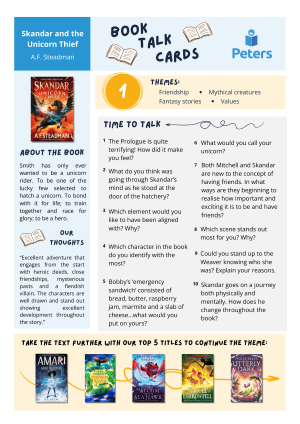
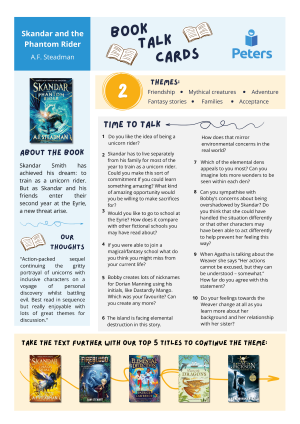
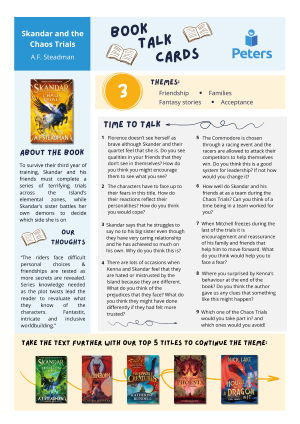
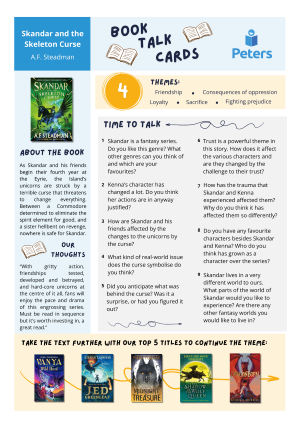
Class set offerOrder 15 or more copies of Skandar and the Unicorn Thief and get 38% off the RRP Inspire Book talk on the Skandar series with our downloadable book resources, perfect for sparking discussion and guiding pupils' through the series.
|
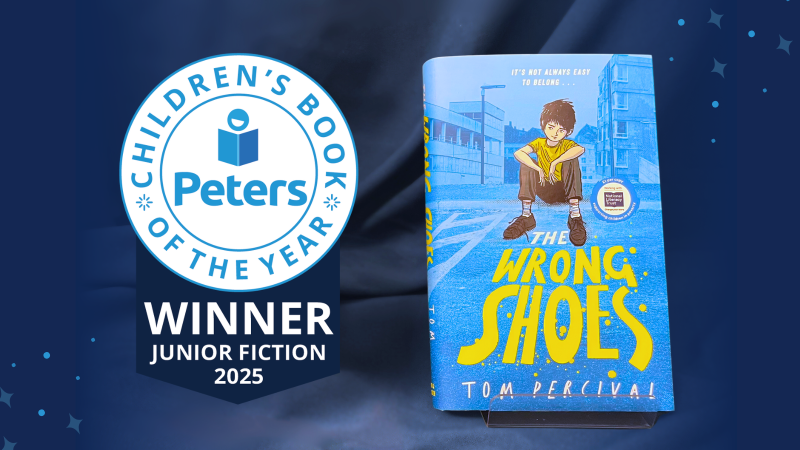
Don't miss our Q&A with Peters book of the year winner Tom Percival
|
Peters Joint Junior Fiction Book of the Year: Q&A with Tom Percival |
 |
- hello@peters.co.uk
- 0121 666 6646
- Send a message
- Meet the team
- Peters Ltd
- 120 Bromsgrove Street
- Birmingham
- B5 6RJ