GO
Sorry, but you already have a basket with that name. Please use something else.
Are you sure you wish to delete this basket?()
This action cannot be undone.
Sorry, something went wrong
Please report the problem here.
Tackling the impact of COVID-19 on children's attitudes and behaviour
February 25th 2023
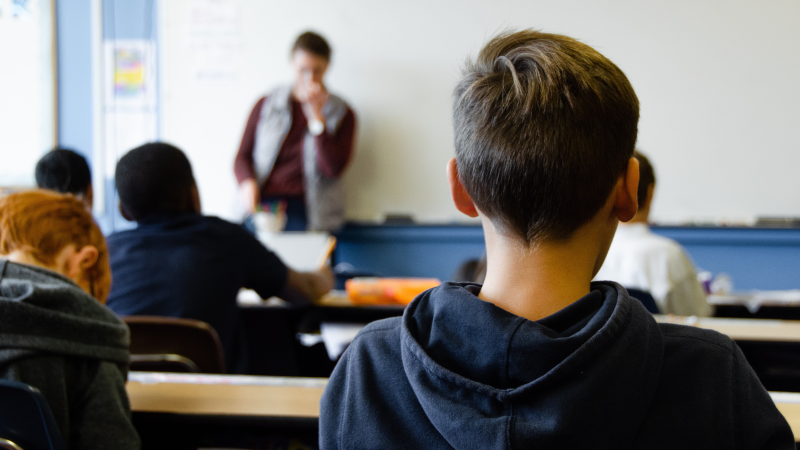
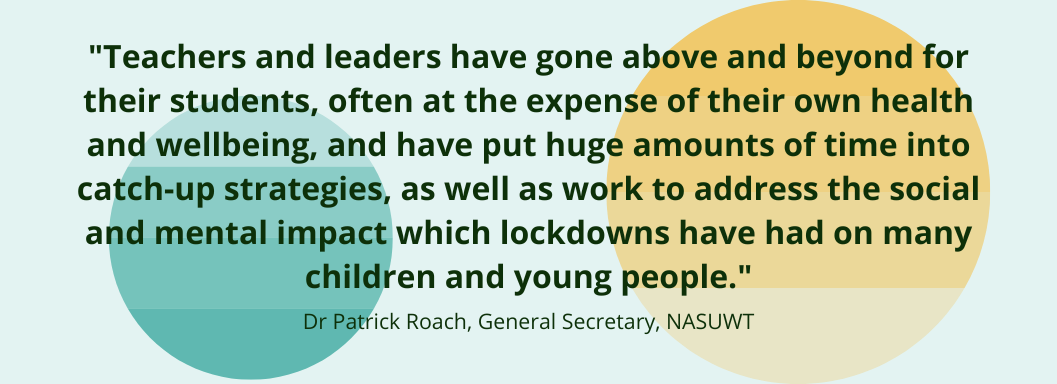
Hardworking teachers are facing ongoing challenges with pupils experiencing behavioural, communication and mental health issues due to disruption caused by the COVID-19 pandemic. Although educators have gone "above and beyond" for their students, they are still coping with the aftermath and pressure of Ofsted expectations to create a 'safe, calm, orderly and positive environment' at school. We examine the impact of the lockdowns, and how you can use learning tools, including books and sensory accessories, to help to address difficulties.
Teachers raise fears about children’s mental health
Despite the efforts of teachers to mitigate the consequences of successive lockdowns, children and teenagers with and without special educational needs are still struggling due to gaps in their learning and personal development. While helping children to catch up on missed learning, teachers are dealing with challenging pupil behaviours including anxiety, poor concentration and listening skills, difficulty in regulating emotions and less readiness to learn.
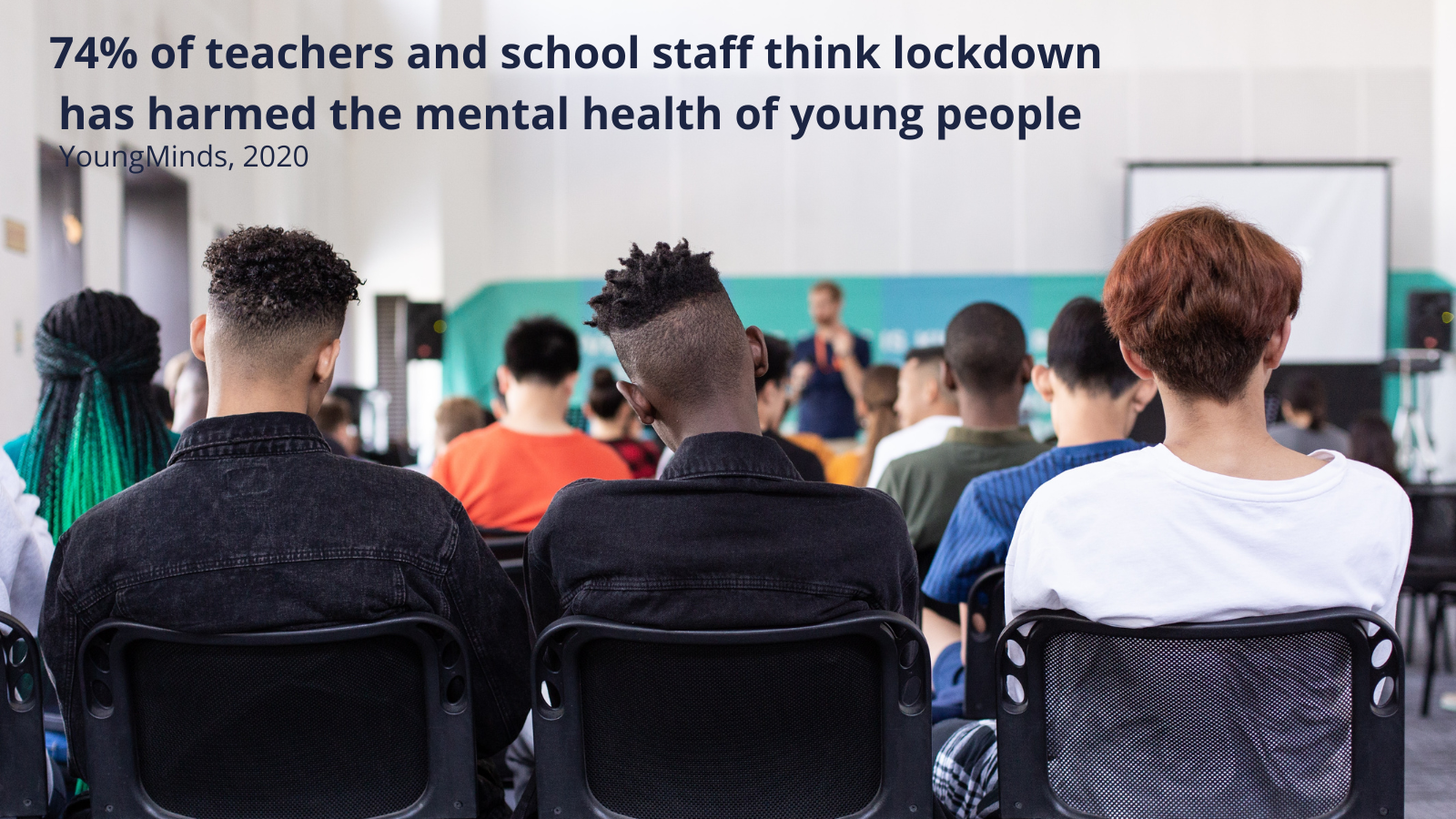
Back in June 2020, in a survey by the charity YoungMinds, teachers raised concerns about pupils’ mental health after months of children living and learning at home. The survey found that 74% of teachers and school staff thought lockdown had harmed the mental health of young people and 88% thought a lack of structure and routine had adversely affected pupils’ wellbeing. In the same month, the government announced £1 billion of funding to support children and young people to catch up on missed learning caused by COVID-19.
By Ofsted’s October 2020 report, some primary schools said children had fallen behind in language and communication skills. Some younger children experienced increased attachment to their parents or home due to being away from school for so long and children were ‘disconnected’ from learning or struggling to stay awake and alert. There was also a deterioration in pupils’ behaviour and willingness to follow rules, and an increase in antisocial behaviour and aggression.
Children’s social skills decline during lockdown
Ofsted’s report for 2020-21 revealed the impact of COVID-19 restrictions on almost all children, who struggled with an inconsistent education in the classroom, at home, separated in bubbles and isolating alone.
The report highlighted Ofsted research on the impact of the first lockdown that revealed 44% of early years providers said children’s personal, social and emotional development had fallen behind. Ofsted stated: 'Many children needed to relearn social skills such as sharing and playing with each other nicely. Providers reported that some children were angry, some had shorter attention spans, were more difficult to engage, and some were less inquisitive.'
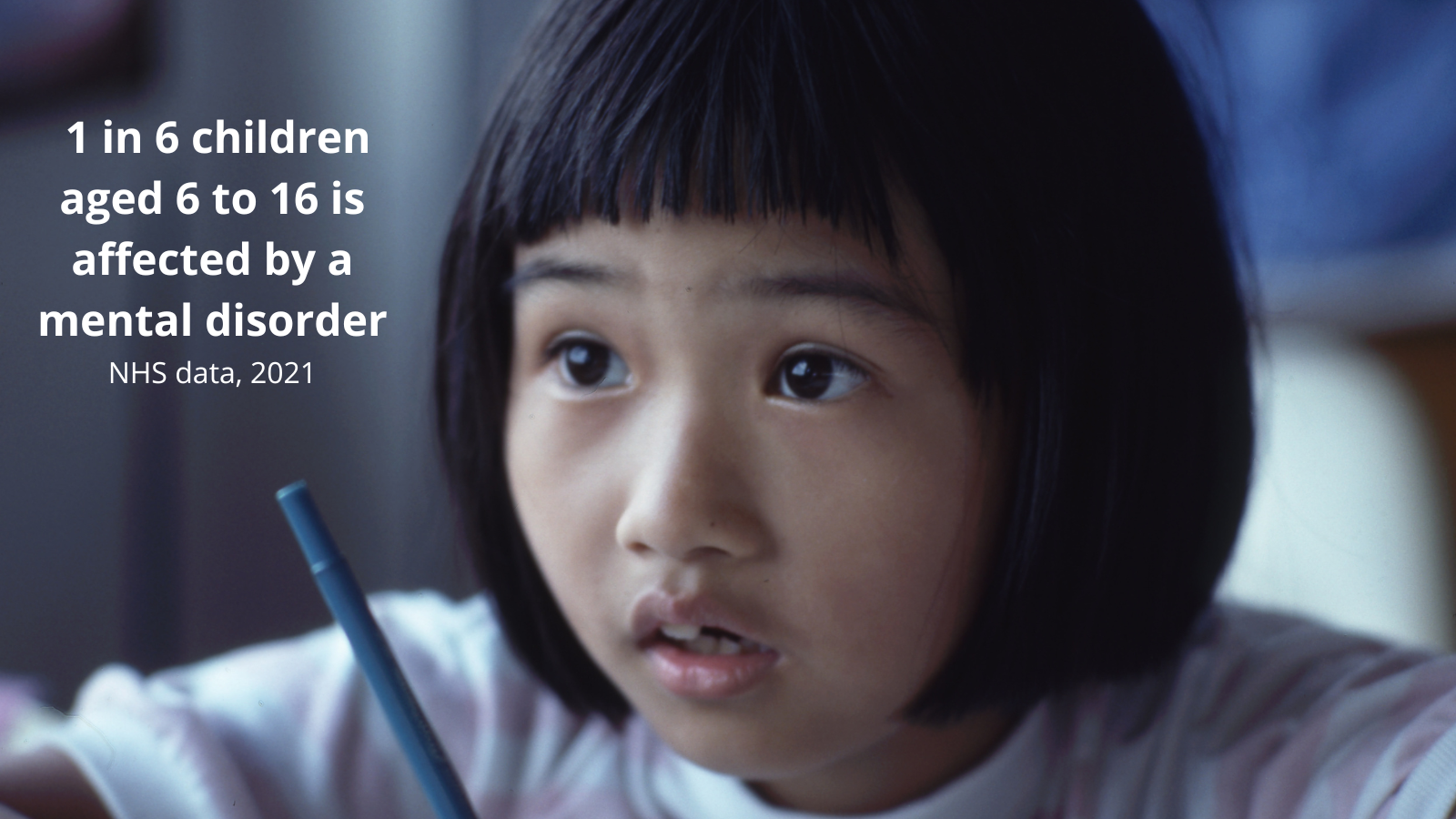
NHS data published in September 2021 estimated that 1 in 6 children aged 6 to 16 was affected by a mental disorder, representing an increase of roughly 6% since 2017, before the pandemic. The data showed that these children were likely to also experience problems with sleep, eating disorders and to have missed more school than their peers.
Even as the lockdowns were lifted and pupils became familiar with the school routine, pupils’ behaviour, including tardiness and absenteeism, continued to be a challenge. Some primary schools said pupils were not as resilient as they had been before lockdown and the pandemic had hindered their empathy and language and communication development. Secondary schools reported increased numbers of pupils suffering from anxiety (including around exams) and self-harming.
Disadvantaged pupils and those with SEND were particularly affected by the pandemic. Students with additional needs experienced long waiting times for assessment and treatment, and an absence of essential services such as physiotherapy or speech and language support. A 2022 report from the Education Endowment Foundation stated that the attainment gap between disadvantaged pupils and their classmates increased since the beginning of the COVID-19 pandemic, and was unlikely to close without intervention.
Wellbeing and behaviour is still an issue three years on
By Ofsted’s April 2022 report, inspectors said good progress was being made to help children recover the knowledge and skills they had missed out on but attendance, wellbeing and behaviour were still a concern. Schools said pupils still had lower levels of resilience and confidence, and increased anxiety. The study found that younger children did not know how to take turns or listen and that mask-wearing had impacted their speech and language development.
The report said: 'Children turning two years old will have been surrounded by adults wearing masks for their whole lives and have therefore been unable to see lip movements or mouth shapes as regularly. Some providers have reported that delays to children’s speech and language development have led to them not socialising with other children as readily as they would have expected previously.'

When visiting schools, Ofsted inspectors consider how well leaders create a safe, calm, orderly and positive environment and the impact this has on behaviour and attitudes. They look for an environment where pupils feel safe; where pupils are resilient to setbacks and take pride in their achievements; and for relationships between teachers and pupils that reflect a positive and respectful culture. With this in mind, we've collated some learning tools you can use to encourage social skills, self-confidence and empathy in your classroom.
Create a safe space with sensory furniture
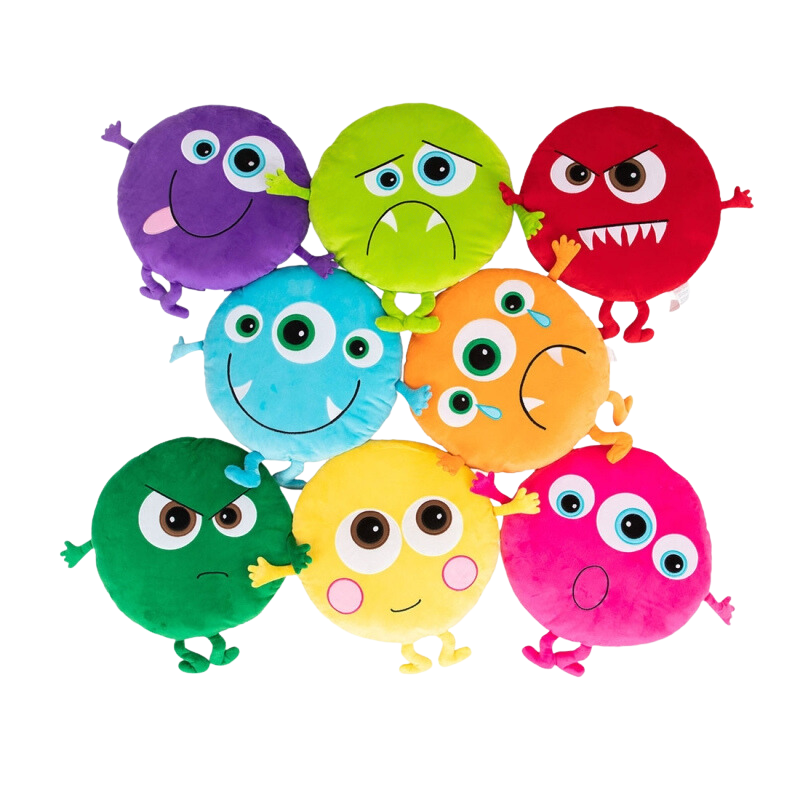
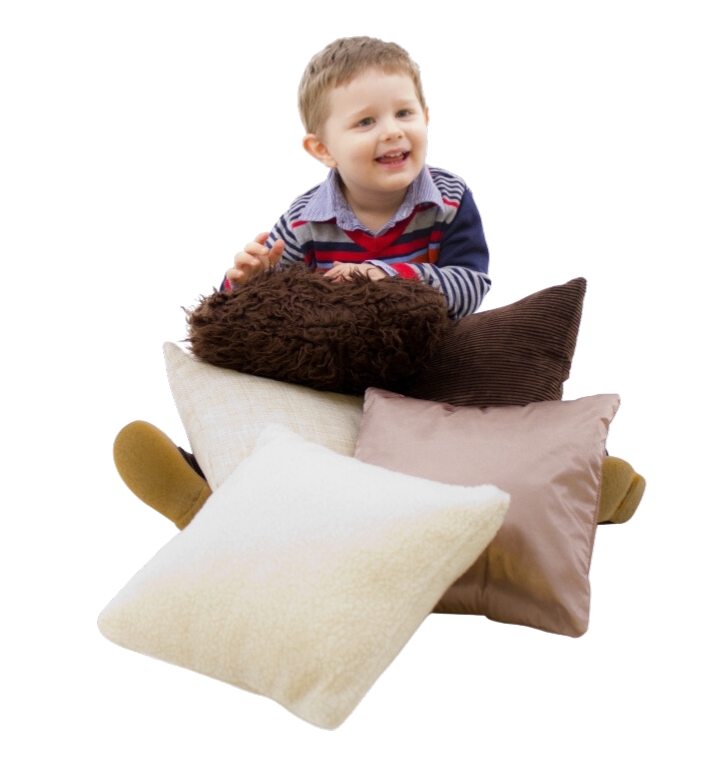
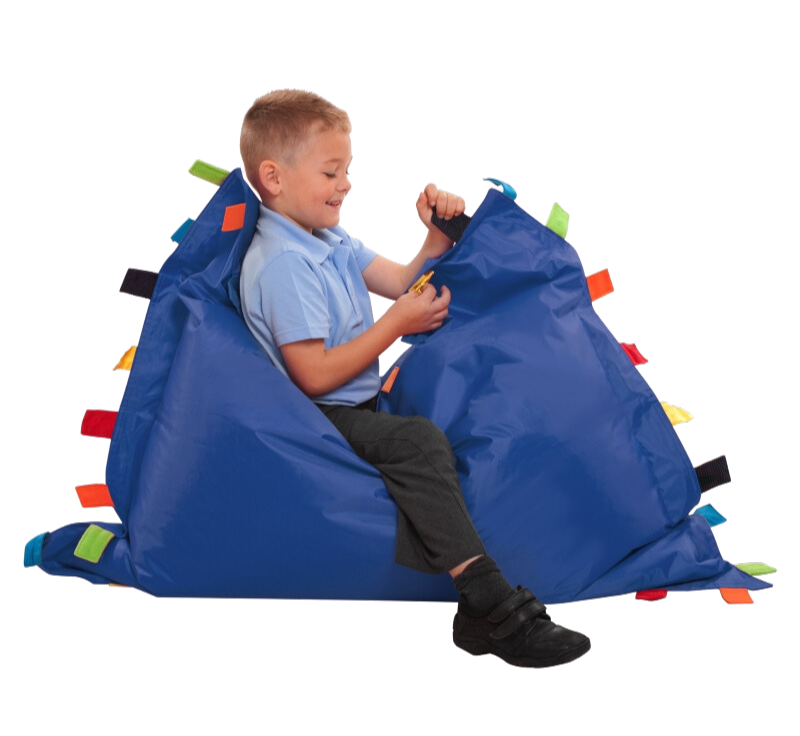
Having a safe place to escape to can be hugely beneficial. Sensory seating and accessories are a practical and effective way to create a calming retreat away from a noisy classroom or busy playground, helping overstimulated pupils to understand their emotions and become more engaged. Different textures encourage children to play, move and explore with other children. This can improve fine motor skills, hand-eye coordination, and body and spatial awareness. Alongside aiding cognitive development and focus, sensory options like cushions and beanbags can help to relieve stress and anxiety.
 |
 |
 |
 |
 |
 |
Promote empathy through reading
Scientific evidence shows that immersion in literature is an effective way to build our understanding of other people. EmpathyLab is an organisation that builds children's empathy, literacy and social activism through a systematic use of high-quality literature and the belief that empathy is a learnable skill. Each year, they reveal their top empathy reads for teachers and librarians to use. These expertly-curated lists help children to build empathy skills by exploring topics such as homelessness, identity and understanding different cultures. You can access the 2023 Read for Empathy recommendations and packs below to get 26% off RRP, plus free delivery.



- hello@peters.co.uk
- 0121 666 6646
- Send a message
- Meet the team
- Peters Ltd
- 120 Bromsgrove Street
- Birmingham
- B5 6RJ