GO
Sorry, but you already have a basket with that name. Please use something else.
Are you sure you wish to delete this basket?()
This action cannot be undone.
Sorry, something went wrong
Please report the problem here.
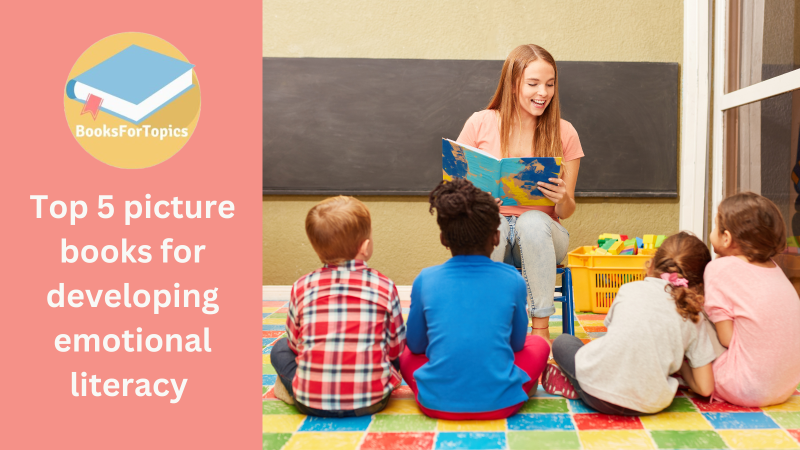
BooksForTopics: top 5 picture books for developing emotional literacy
September 11th 2024
Primary teachers know more than most that reading, writing and visual interpretation are not the only types of literacy that school picture books have the power to develop. Books shared in the classroom can also provide a powerful springboard for pupils to learn about themselves and the world, allowing them to share concerns and fears in a secure environment.
More and more teachers are now tapping into the power of books to help children identify feelings, build a vocabulary relating to emotions and interpret emotional expression. Emotional literacy is the ability to understand, recognise and effectively manage one's own emotions, as well as those of others – a crucial skill that helps children navigate social interactions, build healthy relationships and cope with life's challenges.
In this guest post, Alison Leach at Books For Topics shares her top five school picture book recommendations for guided reading activities and individual reading, for developing children's emotional literacy.
 |
Guest blogger: Alison Leach Alison Leach is the founder of BooksForTopics, a website that helps schools find great books to enrich their curriculums and promote reading for pleasure. We recently celebrated three years of our partnership with BooksForTopics, working together to bring high-quality books from their popular booklists into schools across the UK. You can follow BooksForTopics on X and Instagram. |
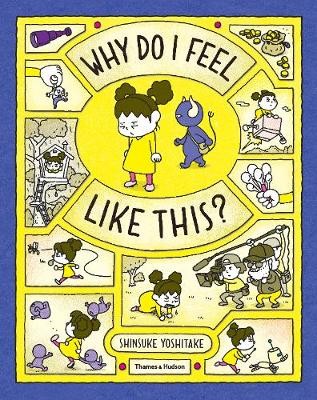
1. Why Do I Feel Like This? by Shinsuke YoshitakeShinsuke Yoshitake's books are beloved by adults and children alike for their inimitable illustration style and inventive philosophical texts which prompt us to think more deeply, more imaginatively about the world around us. Many BooksForTopics users are fans of Can I Build Another Me and will be pleased to discover more books in a similar style.
There are no easy answers here though; this is by no means a child’s self-help book. It is a witty, relatable exploration of negative thoughts that asks many more questions than it answers, allowing the reader space to think, discuss, and draw conclusions for themselves. The book reassures us that a whole range of feelings is a normal part of human existence. Recommended for: children throughout the primary school age range, knowing that each time they return to it they will get more from it as their own emotional understanding develops. LEARN MORE ABOUT why do i feel like this?
2. Ruby's Worry by Tom PercivalRuby's Worry is an accessible mental-health-themed picture book that is a popular key stage 2 reading choice among primary classes, along with the rest of the Big Bright Feelings series.
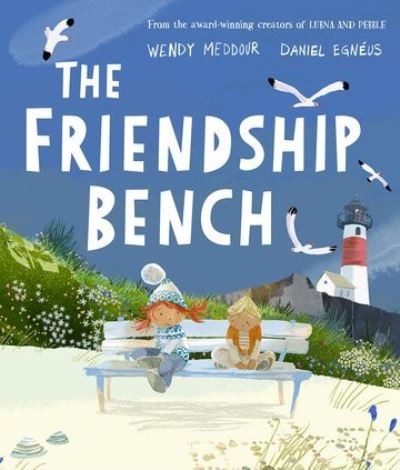
The book is known for sparking meaningful class discussions, supporting pupils to understand that ‘it’s okay to not be okay’ and appreciating that talking helps with worries. Ruby’s Worry is one of the most important and relatable books to share with young people, normalising feelings of anxiety and teaching readers about sharing their troubles rather than letting them spiral out of control. 3. The Friendship Bench by Wendy Meddour & Daniel EgneusA beautiful picture book that celebrates new beginnings and the power of human connection.
The Friendship Bench is a warm and empathy-boosting story, which gently encourages readers to seek human connection and reminds us all of the difference that reaching out and making friends can make. Most children can relate to the feeling of having nobody to play with, or having to face a new challenge alone, so why not use it to encourage children to reflect on how to make new or isolated members of the school community welcome. LEARN MORE ABOUT the friendship bench
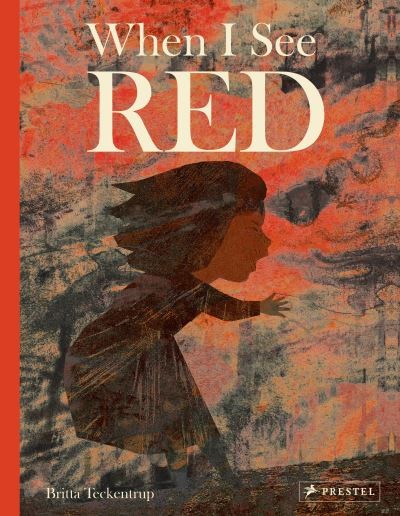
4. When I See Red by Britta TeckentrupAn unusual picture book that captures the experience of being swept up in an overwhelming emotional state.
The end page of the book has a quote from Anni Lanz – a human rights activist who has a focus on refugee policy. It says, “Use your anger to transform the world around you” and this is the positive message of a book that focuses on anger, rage and fury – an emotion felt by us all and an emotion felt particularly keenly by children and young people with deeply held views. That is why this is such a useful and meaningful book for the four-year-old and the young adult alike. It may be easy to cast this book as a KS1 or early years text,yet it is a powerful tool for discussion with older pupils too, highlighting the need for anger as a means to instigate change. As the storm of anger clears, what is left is a new confidence and a new journey, a new way forward. LEARN MORE ABOUT WHEN I SEE RED 5. Find Your Happy by Emily CoxheadFind Your Happy is a bright, welcoming book that is bound to get children talking about emotions.
A variety of emotions are highlighted, including anger, worry and shyness. Each emotion comes with small tips and tricks that any child could easily use to help them feel better and help them embrace the emotion. In particular, the page about feeling sad and the encouragement given to talk to someone trusted is a particularly important one that could strike up many conversations and support children’s emotional literacy. The wording and designs of each page are colourful, engaging and fun. Teachers find that the book can be a good stimulus for a ‘one-off’ lesson just as much as a series of learning about different emotions. The motif of a sloth animal running throughout each page is also an appealing addition which brings a subtle humour. It will no doubt leave readers with a heart-warming feeling and lots of great advice that they can use when understanding and dealing with different emotions. LEARN MORE ABOUT find your happy
|
|
 Why Do I Feel Like This?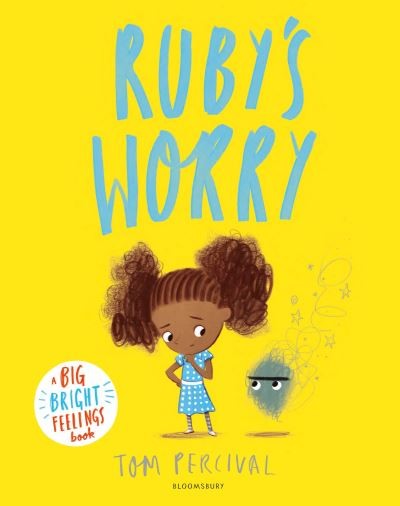
 When I See Red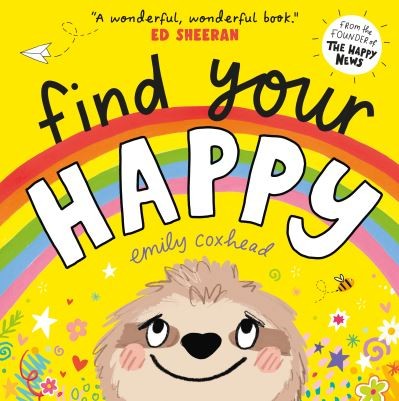

|
|
Read next:10 ways to make your library more accessible to neurodivergent students |
|
 |
- hello@peters.co.uk
- 0121 666 6646
- Send a message
- Meet the team
- Peters Ltd
- 120 Bromsgrove Street
- Birmingham
- B5 6RJ