GO
Sorry, but you already have a basket with that name. Please use something else.
Are you sure you wish to delete this basket?()
This action cannot be undone.
Sorry, something went wrong
Please report the problem here.
The benefits of wider reading in sixth form
September 9th 2024
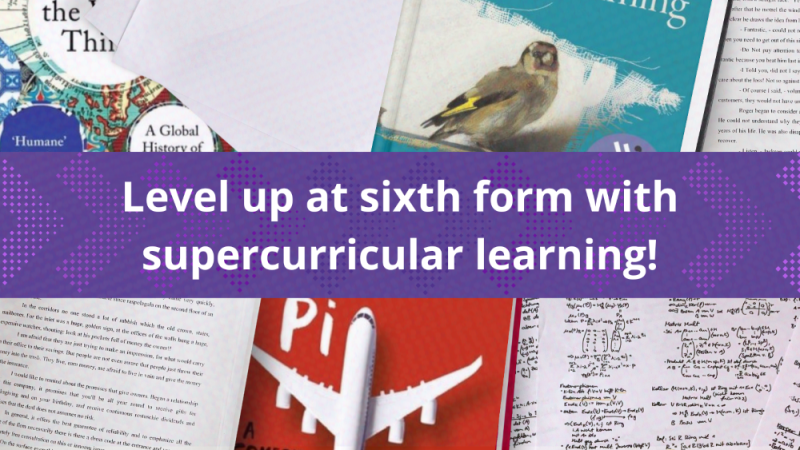
As students step into the exciting world of sixth form, they’re not just embarking on a journey of academic growth; they’re also opening doors to a universe of knowledge beyond textbooks and classroom walls. Wider reading, often referred to as “supercurricular” learning, will improve their personal enrichment, university preparation, and intellectual adventure. Senior Children's Book Specialist Lucy explains to Key Stage 5 students why they should pick up a book from a sixth form wider reading list and have a go at "supercurricular" learning.
 |
Lucy | Senior Children's Book Specialist Lucy has spent her life surrounded by books. An avid reader from a young age, she had Saturday jobs in the local library then completed a degree in English Literature before working for Nielsen providing bibliographic data to Amazon and Waterstones. Now she helps to select books for libraries in schools, including overseeing and advising on class sets. |

🔥 Fuelling your passions
Wider sixth-form reading allows you to explore topics that ignite your curiosity. Whether it’s delving into the mysteries of quantum physics, unravelling the complexities of ancient civilizations, or immersing yourself in thought provoking novels, your passion drives your reading choices.
Remember, it’s not about ticking off a checklist; it’s about reading for pleasure and finding joy in the pursuit of knowledge.
👪 Standing out of the crowd
Universities and employers seek more than just exam results. They want individuals who demonstrate intellectual curiosity, critical thinking, and a hunger for learning.
By engaging in wider reading, you set yourself apart. You will stand out more to an admissions tutor who’s read your application and seen that you’ve explored beyond the syllabus.
📝 Strengthening your personal statement
The best personal statements for university applications showcase your individuality. Mention the books, articles, or podcasts that have shaped your understanding of your chosen subject.
For example, aspiring medics can discuss the ethical dilemmas from their wider reading to demonstrate maturity and empathy. For future engineers, sharing your fascination with innovative technologies can make your statement memorable.
🎓 Preparing for university level study
Wider reading isn’t just about impressing admissions tutors; it’s about preparing for the rigors of university. Self-led learning will help prepare you for research skills required at university, so when you arrive, you’ll be better equipped to engage in discussions and independent study.

📚 Beyond books
Supercurriculum learning can also include podcasts, TED talks, documentaries, and online courses. Visits to museums, art galleries and even going for a walk can all contribute towards widening your horizons.
Beyond exams and degrees, wider reading cultivates essential life skills. Critical thinking, research abilities, and effective communication—all honed through exploring diverse texts—are invaluable. As you analyse arguments, consider evidence, and form your own opinions, you’re on your way to becoming a well-rounded thinker.
Find your subject and read the recommendationWhy not get started and find your first book to read outside of college? The suggestions below are all recent reads which explore and uncover fascinating aspects within your chosen subjects. Explore our suggestions - maybe even pick a book outside of your subject area! |
|
Art & Design: Fine Art 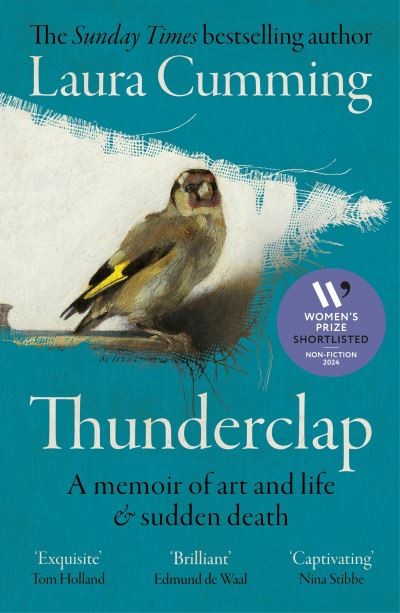 |
Art & Design: Graphics
|
Biology
|
Business
|
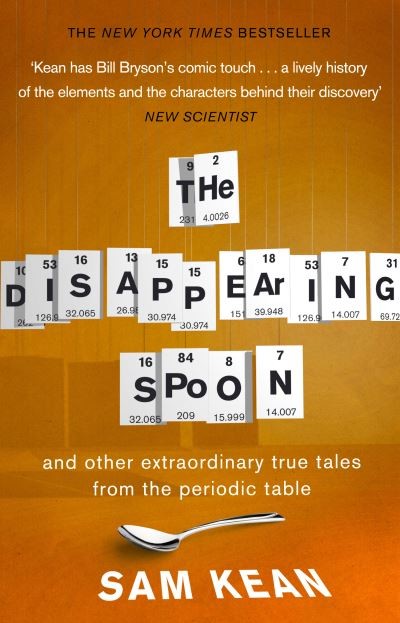
Chemistry
|
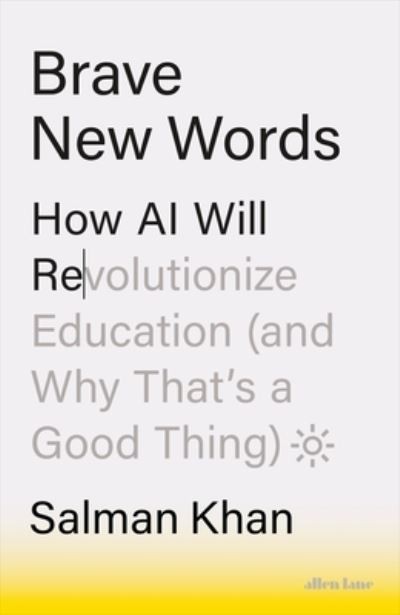
Computer Science
|
|
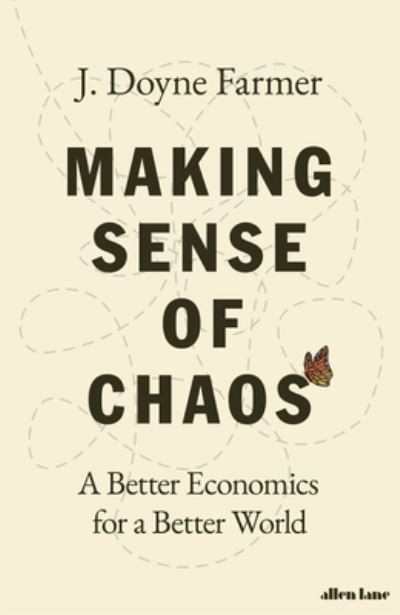
Economics
|
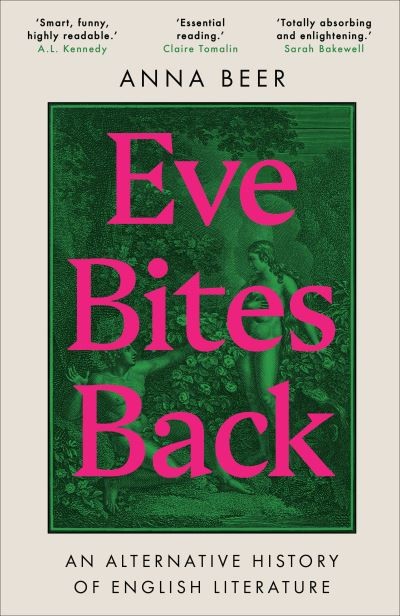
English Literature
|
Geography
|
History
|
Law
|
Mathematics
|

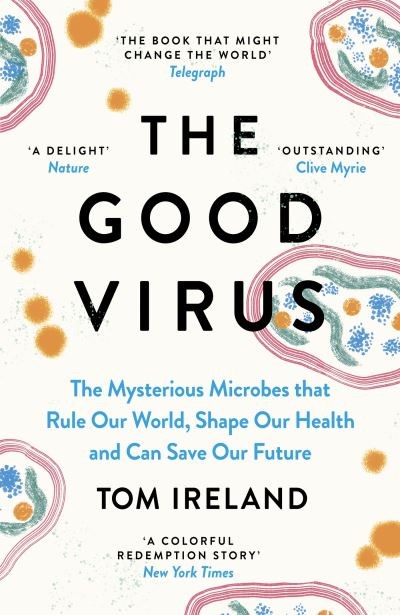
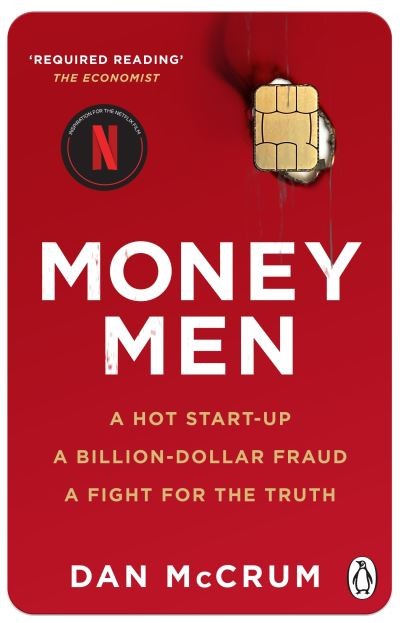
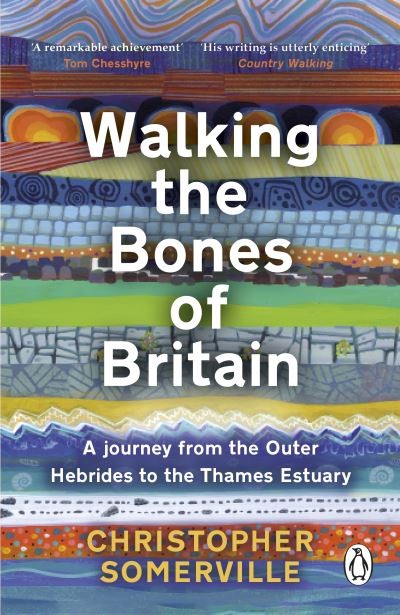

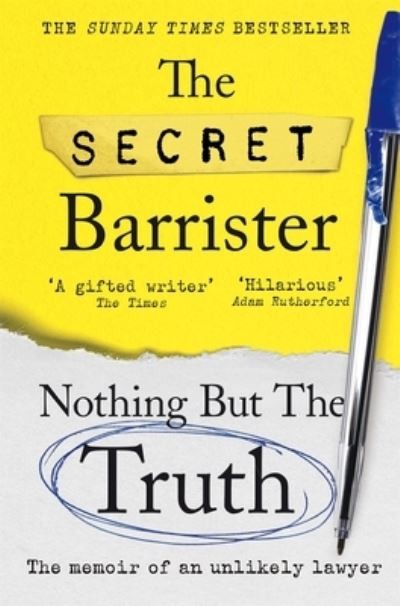
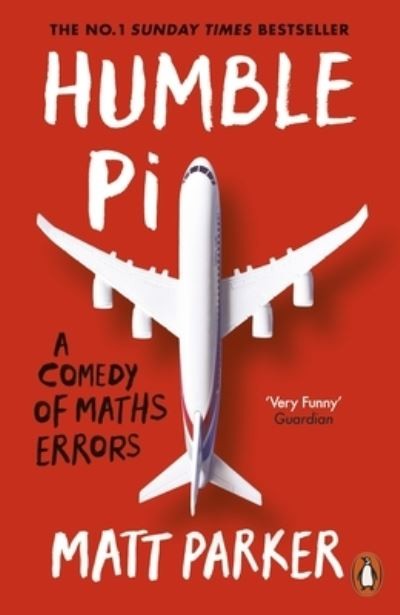
|
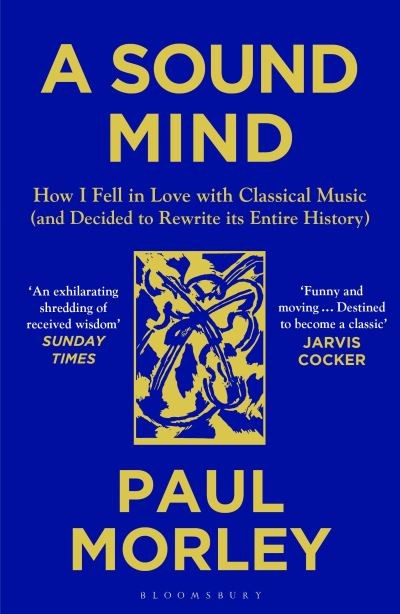
Music
|
Physics
|
Psychology
|
Religious Studies, Philosophy & Ethics
|
Sociology
|
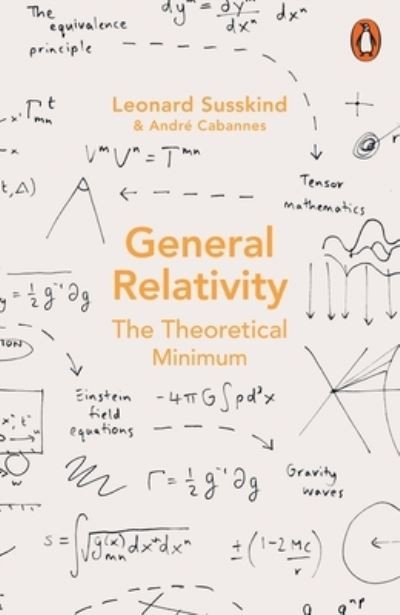
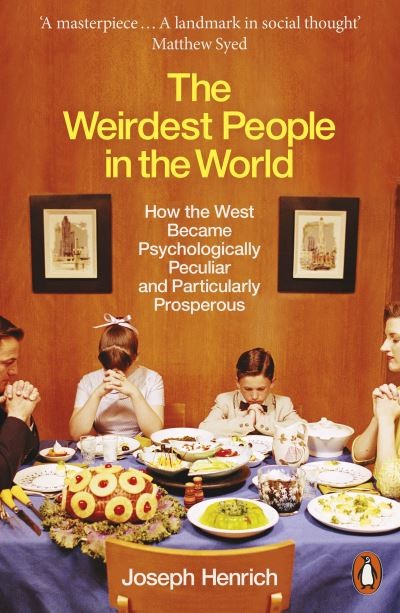
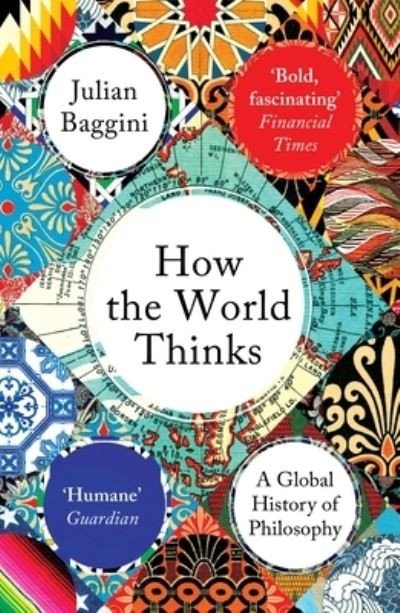

Need further support with finding the right books? We can help
Find more sixth form wider reading recommendations on our KS5 non-fiction list, updated regularly. For help updating a level books and overall sixth form book provision, teachers and college staff can contact us on hello@peters.co.uk.
|
|
Read next:What is Young Adult fiction? Plus our top picks for teen crime books, horror and romantasy |
|
 |
- hello@peters.co.uk
- 0121 666 6646
- Send a message
- Meet the team
- Peters Ltd
- 120 Bromsgrove Street
- Birmingham
- B5 6RJ