GO
Sorry, but you already have a basket with that name. Please use something else.
Are you sure you wish to delete this basket?()
This action cannot be undone.
Sorry, something went wrong
Please report the problem here.
Six food waste hacks for children - Joanne O'Connell
February 17th 2021
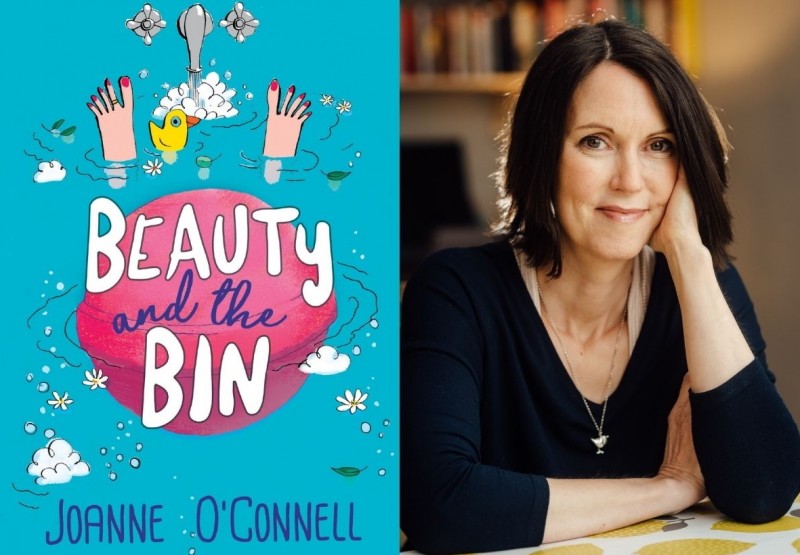
My debut novel, Beauty and the Bin is about a girl called Laurie, who makes gorgeous, homemade beauty products from discarded food. The idea sprang from a year-long column which I wrote for the Guardian about how to grow, buy, and eat in more affordable, climate-friendly ways. During that time, I learnt so much from sustainable food experts about how to value food – and a major part of that is about not wasting a mouthful. And there are lots of positive, fun ways we can involve children in helping stop food waste at home. So, with UK’s first Food Waste Awareness Week coming up (and Beauty and the Bin being published!), here are six food waste hacks for children.
- Store cupboard challenge
Delay your next shop by challenging yourself to eat up what’s already in your kitchen. Random ingredients can sometimes inspire the best meals! Even young children can join in with this one. There’s no pressure to whip up a feast – it can be as simple as using up leftovers on toast. For example, I spread slices of toast with everything, from the last slice of cheese to leftover roasted veggies, sausages, and nut butters and cut each slice into four. I lay them out on a tray in a pattern and call it Patchwork Toast.
- Eat the lot!
One of the best food waste hacks is to eat the whole food, or as much of it as possible. Why not try roasting cauliflower leaves, putting beetroot leaves and tops in quiche, not peeling ginger, scooping out the pumpkin seeds to sprinkle on your soup and keeping veggie peelings in the fridge until there are enough to cook into stock? If no one in your home likes the crusts of bread, why not stick the ends into the freezer? Once you have enough, you can use them as bases for mini pizzas.
- Grow your own herbs and leaves
Growing some food is a really great way to learn to value it. This can be as simple as some herbs or micro greens on the windowsill – it doesn’t have to be a full-on veggie patch. When children learn how long it takes to grow rocket leaves or pea shoots or herbs, it’s harder to throw even a mouthful away. On a practical level, it’s also easier not to waste food if it’s growing. No need to chuck those soggy half packets of herbs away – cut what you need and leave the rest in the pot.
- Go pro on storage
It’s easy for greens to mush at the bottom of the fridge or for packets of flour to end up months past their best if they’re hiding at the back of the cupboard. Check fridge is right temperature – children can learn the science behind this – and learn where to store foods. For example, leftovers that don’t need cooking should go at the top of the fridge, dairy on the middle shelves, raw food at the bottom, and fruit and vegetables in the drawers. Watering the stems of broccoli, asparagus and celery in the fridge also help keep them crisp and fresh.
5. Sniff and taste test
Best before, sell by, and use by dates can be confusing. But while we need to teach children the dangers of eating food that’s gone off, we can also learn not to throw away food while it’s still perfectly edible. There are some foods – dried pasta is one of them – that you can eat years past their sell by date, as long the packet is unopened. Learning how to look, smell and check different foods to check they’re edible is a great life skill that can help children not to waste food.
6. Beauty hack
Sometimes there are bananas that are just too squashy for even a smoothie or the yoghurt in the fridge is honestly past it’s best. So why not do a beauty hack? Throw those dusty oats into water for a creamy bath soak! Mash up strawberries, with yoghurt and honey (or a vegan syrup) for a face pack. And if you need to clean the bath afterwards, use the shell of a lemon (once you’ve grated the zest, squeezed the juice and pulp) with a sprinkle of baking powder to make your bathroom sparkle.
Joanne O'Connell's Beauty and the Bin publishes on Thursday 18th February.
Published by @MacmillanKidsUK
Follow Joanne on Twitter @byesupermarkets
Visit Beautyandthebin.com for homemade beauty recipes and other tips on how to be an eco-warrior.
- hello@peters.co.uk
- 0121 666 6646
- Send a message
- Meet the team
- Peters Ltd
- 120 Bromsgrove Street
- Birmingham
- B5 6RJ