GO
Sorry, but you already have a basket with that name. Please use something else.
Are you sure you wish to delete this basket?()
This action cannot be undone.
Sorry, something went wrong
Please report the problem here.
Addressing the reading crisis: challenges and solutions for cultivating young readers in schools and libraries
June 16th 2026
Following our 'Children's reading: what crisis?' webinar in partnership with The Reading Agency and The Open University, Head of Library Services Alison Tarrant examines the barriers to reading and explores practical ways in which schools and public libraries can cultivate young readers.
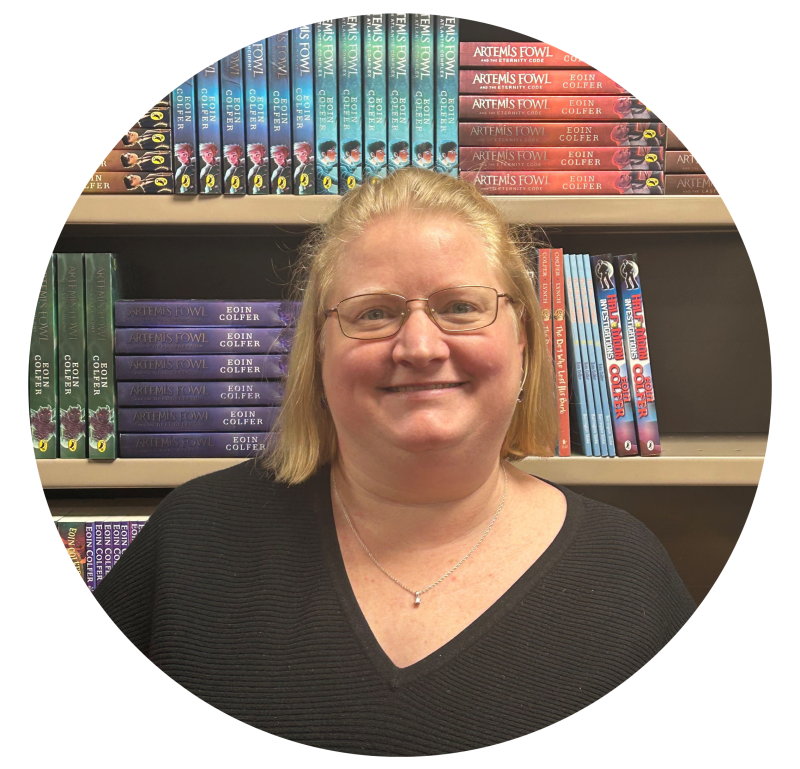 |
Alison Tarrant| Head of Library Services Alison joined Peters in 2024 to manage our Librarian and Bibliographic team, having worked in and around school and public libraries for more than 10 years. In her most recent role as CEO of the School Library Association, she worked closely with organisations such as CILIP, BookTrust and The Reading Agency. Alison loves reading both children's and adult literature, and appreciates a great information book too! |
Last month, I had the privilege of joining The Reading Agency and the Open University for a webinar examining the reading ‘crisis’ – some of the causes, and how the National Year of Reading is seeking to address it. It was a brilliant webinar and you'll find The Reading Agency's blog about it here.
Some of the reasons children are no longer reading as much as they used to are well known, and are being experienced by many parents, teachers, librarians across the United Kingdom.
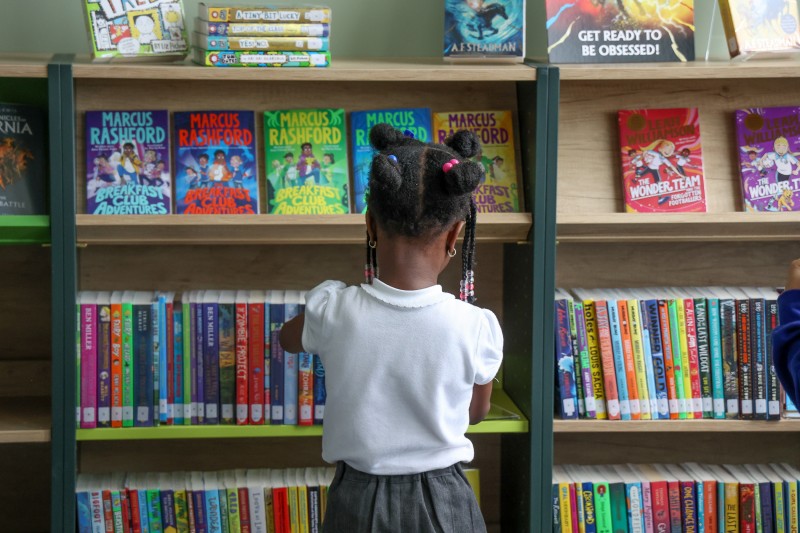
Finding the right book can be a challenge, and not every book will feel relevant to every child. Children may have been in situations where their reading choices have been diminished or ridiculed, or what they’ve been able to read has been restricted, all of which can reduce the overall likelihood of them picking up a book. Many children now won’t be visiting bookshops like Waterstones or Foyles or their independent bookshop from a young age and learning how to browse. Many children won’t know how to work out whether a book is the right book for them. Rather than assuming children will have the ability to navigate a large selection of books, browsing is a skill that may need to be taught.
|
It's always useful to try and put yourself in the shoes of a child who may have never been read to, who doesn’t have an adult role model whom they regularly see enjoying reading, or even an adult in their lives who themselves is a confident reader. Teachers can be that role model, but children will notice if you’re not following through on what you say. Many teachers will be telling the children that reading is important, but they won’t have any books available for themselves to read in the classroom. They won’t talk about spending an evening reading, or complete a reading diary. This can lead to children thinking teachers are inauthentic, saying one thing but doing another, and undermines the message about reading. Sometimes the expectations that we place on children are just not realistic; they don't reflect how we read as adults. We're not very good at building in an allowance for times when a child’s life is actually busy, whether that’s because of family life or school life or something else. Reading is only a ‘must do’ activity for a small percentage of people; for most people, it’s something they want to do, and prioritise above certain things, but not everything. We should give children the same grace. |
 |
All of these things combined can be demotivating for children; they haven't ticked all of the very specific tick-boxes that we've created for them, and as a result don’t see themselves as a reader. Instead of presenting reading like sweets (as Cressida Cowell suggests) we’ve created barriers and put them in their way.
We need to be very specific about what we mean when we do talk about readers, making sure that a reading culture is more than just talked about, that it is something that is both felt and seen.
|
|
To do this, we really need to underpin those reading fundamentals: - choice Read on for ideas for schools, school library services and public libraries keen to help develop and embed a reading culture. |
Next steps for schools
|
Next steps for libraries
|
Let us know what else you are doing in your school or library to overcome this current reading crisis – we’d love to hear from you.
10 ways to make your library more accessible for neurodivergent students |
 |
Back to news and blog...
- hello@peters.co.uk
- 0121 666 6646
- Send a message
- Meet the team
- Peters Ltd
- 120 Bromsgrove Street
- Birmingham
- B5 6RJ