GO
Sorry, but you already have a basket with that name. Please use something else.
Are you sure you wish to delete this basket?()
This action cannot be undone.
Sorry, something went wrong
Please report the problem here.
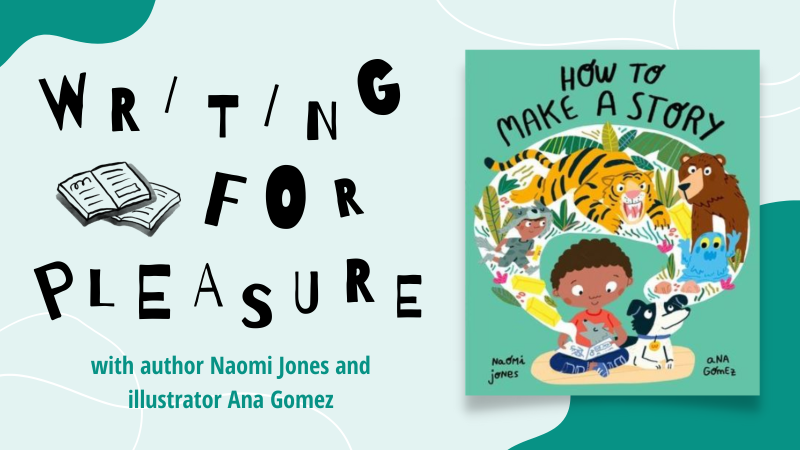
How To Make A Story: author and illustrator Q&A plus top tips for writing and reading for pleasure
June 9th 2023
Reading for pleasure has numerous benefits, from boosting literacy levels to developing empathy and improving wellbeing. Hand in hand with reading for pleasure are the literacy and wellbeing benefits of writing for pleasure. In the National Literacy Trust's 2023 research report on children and young people's writing, over half of children aged 8-11 said that writing helps them relax, feel more confident, and feel better when sad. Unfortunately, in the same report, only 34.6% of children surveyed said they enjoy writing in their free time. With the number of children not reaching expected key stage 2 reading and writing attainment levels by the time they leave primary school rising to 1 in 3, there is a call for prioritising writing for pleasure and picture book writing in the classroom to bridge this gap.
Leading your pupils in a creative writing activity is a great start to encouraging enjoyment in writing. But where do you start when it comes to writing your own, original story? Author Naomi Jones wrote the picture book How To Make A Story, illustrated by Ana Gomez, to show children how stories work and how they can create their own using their experiences. We ask the author and illustrator duo about creating stories, and we hear Naomi's top tips for primary pupils on how to write their own story.
|
|
with author Naomi Jones and illustrator Ana Gomez |

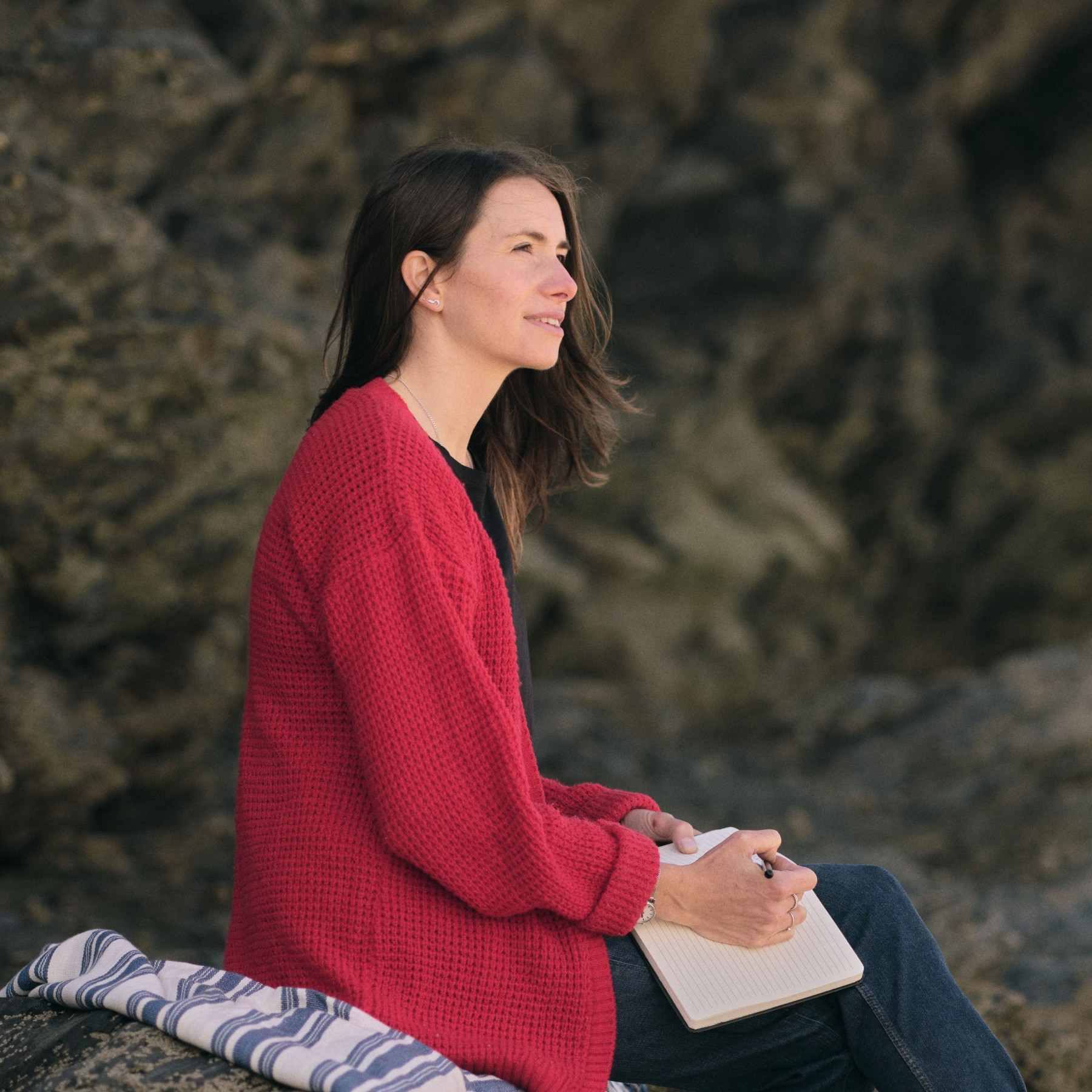 |
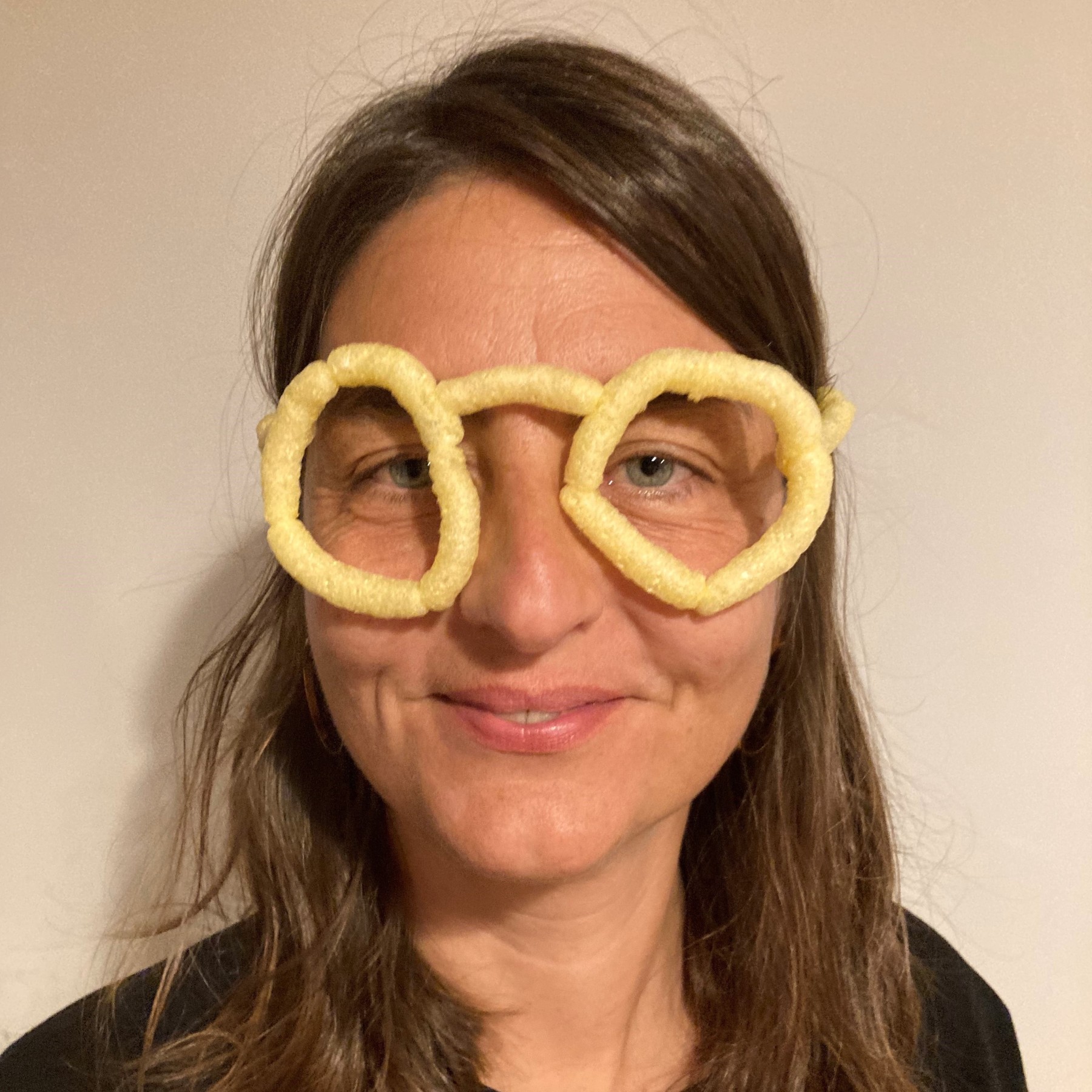
Naomi Jones | Author Naomi has been an avid story-lover for as long she can remembers, and has always wanted to write her own books. Her first picture book The Perfect Fit was created in collaboration with illustrator (and her husband!) James Jones and published in 2021. Naomi currently works as a freelance editor and as the children's book reviewer for the blog Mini Travellers. Naomi loves travelling herself, as well as playing netball and doing yoga. |
Have you ever been scared or embarrassed to share a story?I don't think I've ever felt scared or embarrassed when sharing my stories, but I used to feel this way about sharing poems that I'd written. I was worried people would think they were stupid and laugh at me! I eventually decided I didn't want to let being afraid of what people might think stop me, so even though it made me feel nervous, I signed myself up to a spoken word poetry event to read my poems to a group of strangers. I felt very shaky when I stood up in front of everyone, but I did it and no one laughed. The more I've shared my poems since then, the easier it has become. As I've got older I've also learnt that you can't please everyone and that not everyone will like everything you write, and that's ok. So what are your favourite stories for reading for pleasure, real or fictional?Oh, this is a tough one. I find it really hard to pick a favourite story! I have so many favourite books by other people, and favourite stories that I've written too. My favourite stories are always the ones that draw you into another character's world and make you want to ignore everything else and just keep reading! Which story do you wish you came up with, and why?I don't think there are any books that I wish I had written, as I really believe all you can do as an author is just write the best story you can write. There are lots of books that inspired me when I was younger though, from His Dark Materials trilogy by Phillip Pullman, Across The Barricades by Joan Lingard, Hatchet by Gary Paulson to The Famous Five by Enid Blyton. I hope that the books I write will inspire a future generation of authors to make up their own stories. |
 |
Ana Gomez | Illustrator Ana is a Spanish illustrator who studied Fine Art at the University of Salamanca. She turned to illustration to spread joy and humour through her work, and has illustrated a range of formats including board books, non-fiction, and short chapter books. How To Make A Story is Ana's second collaboration with Naomi Jones, the first being How To Catch A Rainbow. |
|
|
How do you tell a story through drawing?The drawings help to introduce you to the story through the setting and the appearance of the characters. The way they dress or the objects around them, for example, are aspects that tell a lot about the characters, and can only be done through the drawings. Body language and gestures are another way that we as artists have to tell stories. Through art, we are also giving the perspective of the story, from where you see it. You direct, so to speak, the reader's gaze.
|
|
Watch the full video about How To Make A Story and Naomi's picture book writing advice for pupils:
Naomi believes story ideas come from everywhere: "it might be something one of my children has said, or something I see when I'm out for a walk, or a piece of art". Naomi keeps all of her ideas in notebooks - several boxes full in her loft - as they might come in handy in the future. We recommend telling your pupils to write down all their ideas in their exercise book just like Naomi, as the ideas they don't use today, could be used later!
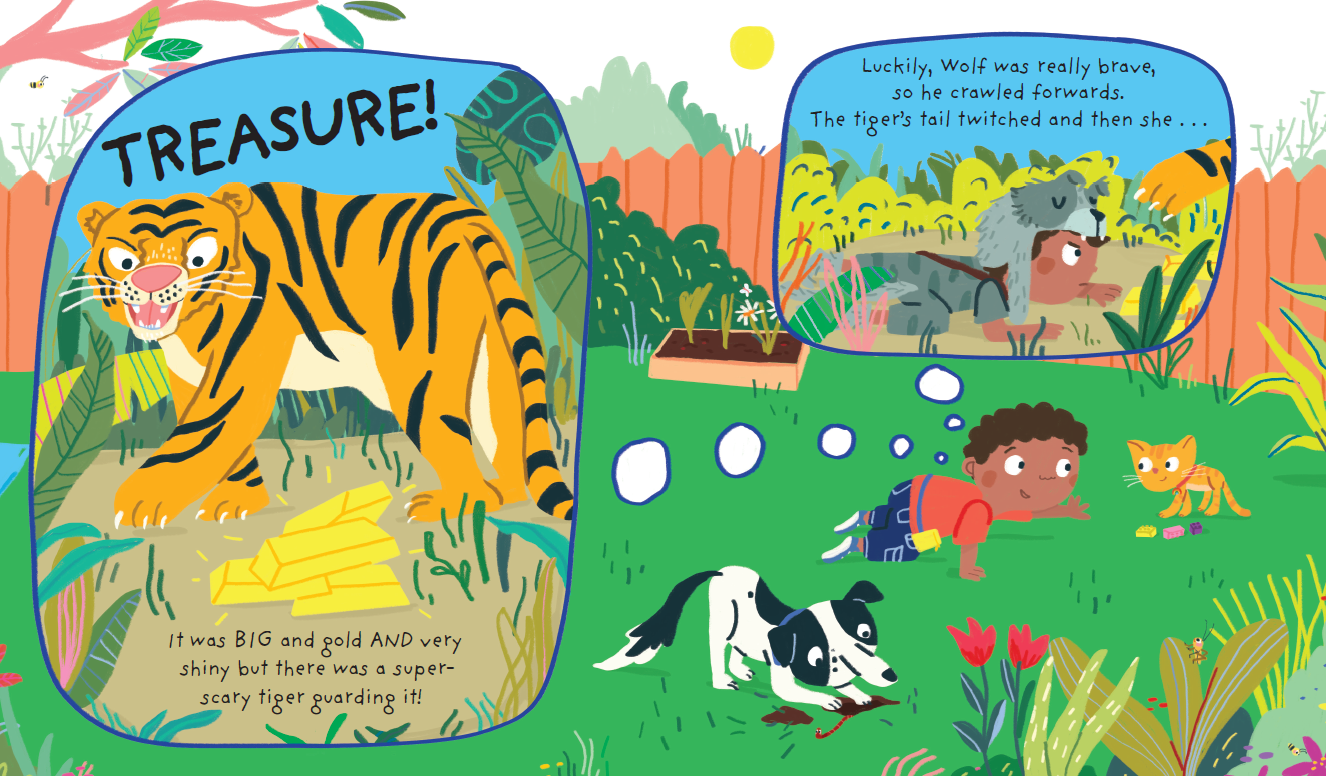
In How To Make A Story, Milo is inspired by the world around him to create his story, such as turning his cat into a formidable tiger.
In How To Make A Story, Milo decides that two dribbling monsters want to eat his main character, preventing him from getting his treasure. Milo must then write how his character escapes the clutches of these monsters.
At the end of the story, "what needs to happen is that your character needs to find a way of getting what they want, whatever it was they wanted in the first place". The character might succeed in finding a new home that finally suits them; or they might make it out of the scary forest, and be reunited with their family.
 |
|
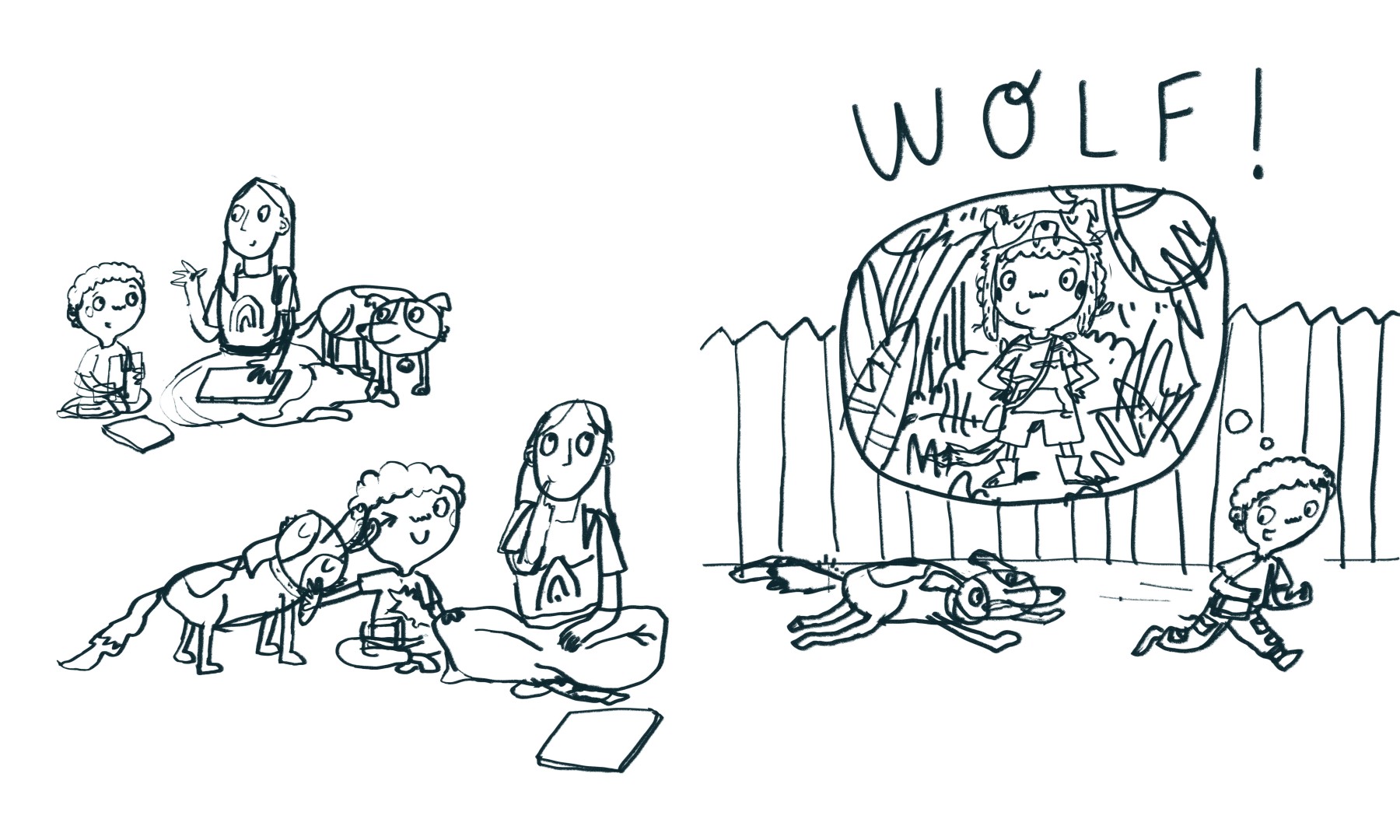
Telling stories through illustrationsAs an extension task, encourage your pupils to have a go at drawing their story. Illustrating the key emotions or actions in the story can help children see a coherent storyline. Different children have different ways of expressing themselves: drawing might help some pupils enjoy story-telling, while others might be confident to let their imagination wild solely through words. In the end, it's about enjoying the process and having fun, rather than getting it right! Original illustrations by Ana Gomez for How To Make A Story. |
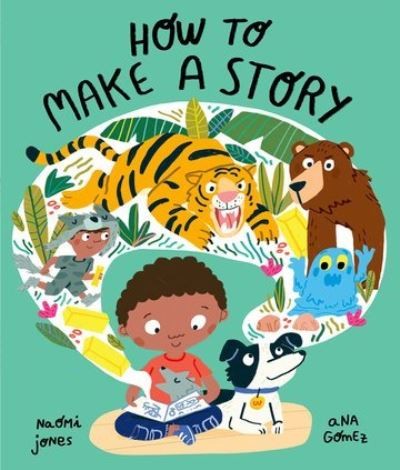 |
How To Make A StoryMilo decides that he wants to tell his own story, made up by him! But how does he start? With the help his family, and the real world around him, Milo creates a new adventure and learns an important lesson about stories - that they are made to be shared. Our librarians praised the "interesting and enjoyable way" this story-within-a-story shows children how stories work, and recommend this title for creative young children. |
📚 READ NEXT: CHILDREN'S LIBRARIAN KATIE REVEALS WHY CRIME BOOKS ARE FOR ALL AGES
- hello@peters.co.uk
- 0121 666 6646
- Send a message
- Meet the team
- Peters Ltd
- 120 Bromsgrove Street
- Birmingham
- B5 6RJ