GO
Sorry, but you already have a basket with that name. Please use something else.
Are you sure you wish to delete this basket?()
This action cannot be undone.
Sorry, something went wrong
Please report the problem here.
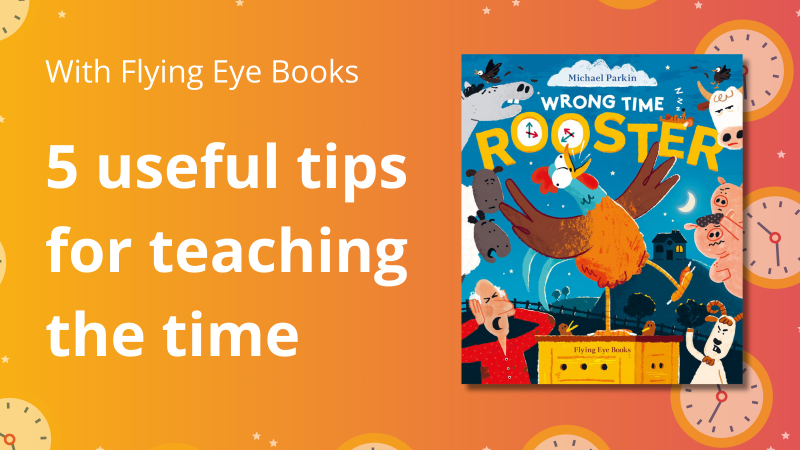
5 useful tips for teaching the time with Flying Eye Books
February 11th 2025
We’ve been enjoying Wrong Time Rooster by Michael Parkin, a new picture book from Flying Eye Books about a rooster called Ronnie who struggles to tell the time… with hilarious consequences! Wrong Time Rooster playfully teaches the importance of being able to read a clock and presents a brilliant opportunity to teach children how to tell the time.
To guide the way, Flying Eye Books have asked UK primary school teacher Heather to give her most useful tips for teaching the time to children. Thank you, Heather!
Effective strategies for teaching children to read the time
Ask time related questions: A good idea is to start by asking children what time is and why they think we need to be able to tell the time. Use familiar times of the day to put the question into context, such as: What time do you start school? What time do you have lunch? When is bedtime? This should hopefully embed the idea that we need to be able to tell the time to organise our day and get to places on time.
 Introduce a clock hunt: Clocks are everywhere—on our walls at home, wristwatches, phones, and in classrooms. Going on a clock hunt is a fun way for children to recognise where they might see “time” in their everyday lives.
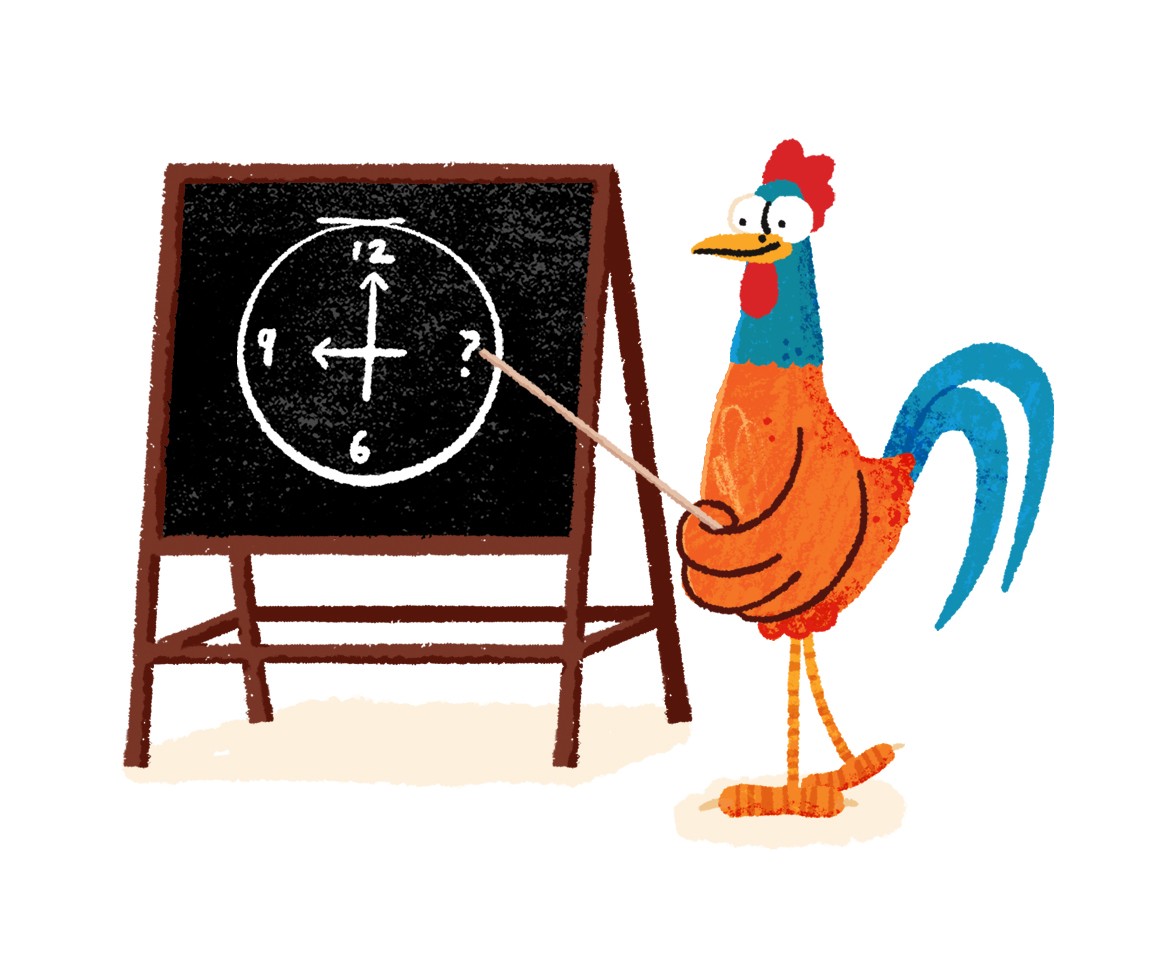
 Practise telling the time out loud: When teaching how to tell the time, look at the shorter hour hand first (some children’s clocks helpfully have a different colour for the hour and minute hands). Move the hour hand to each number and say that hour aloud: 1 o'clock, 2 o’clock, etc. This will also help children to see the hand moving in a clockwise direction.
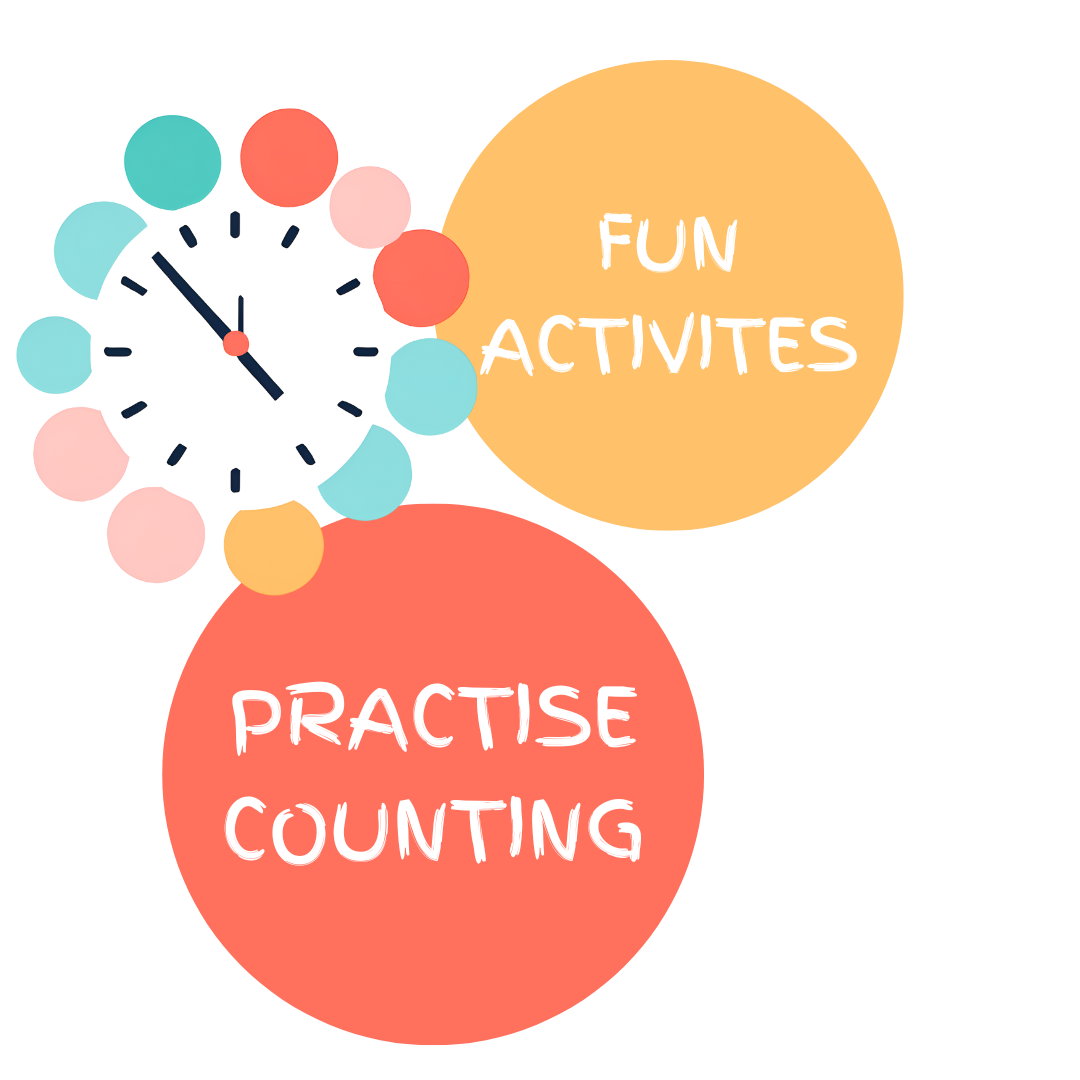
 Work on counting skills: Practise counting in 5s up to 60 to introduce the minute hand. On each count of 5, move the longer minute hand from one number to the next to illustrate that the minute hand has to make a full circle of 60 minutes for an hour to pass.
 Explore fun activities: When you have introduced the concept of a “minute,” try fun ways to show the children how long a minute is. This could include doing a minute of star jumps, dancing, watching a 1-minute sand timer, or sitting in silence for a minute!
|

 |
Wrong Time RoosterCOCK-A-DOODLE-DOO! Ronnie the rooster arrives at Farmer Tony’s farm to help wake up the animals, but something isn’t right– Ronnie just cannot tell the time! The animals band together to help teach Ronnie and soon his COCK-A-DOODLE-DOOs are perfectly on time… mostly! Wrong Time Rooster is a picture book for children 3+. Out now! £9.61 Save 26% |
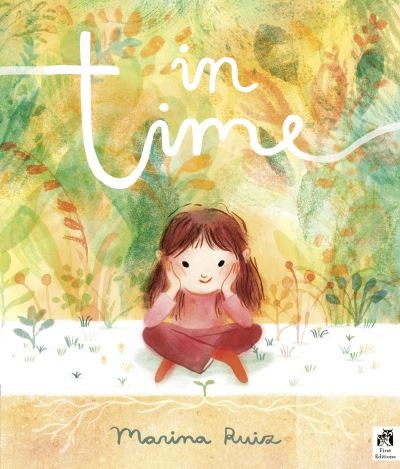
Further reading recommendations
 |
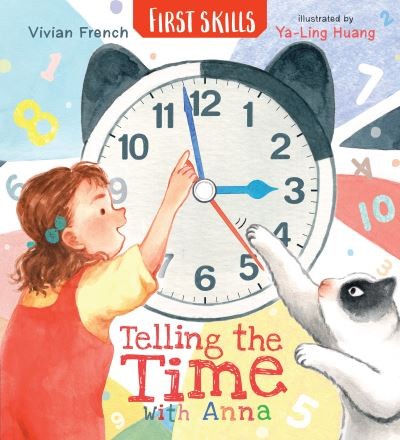 |
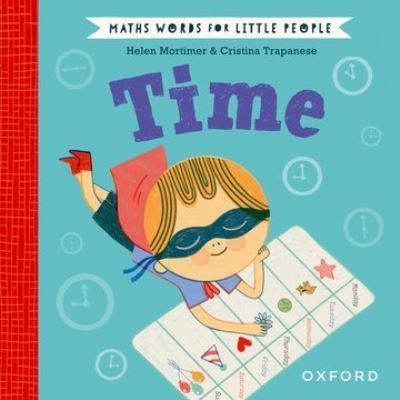 |
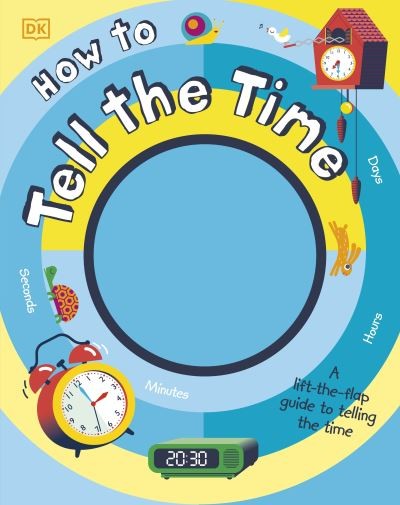 |
 |
|
Read next: 5 actions you can take in response to the National Literacy Trust's reading report |
 |
- hello@peters.co.uk
- 0121 666 6646
- Send a message
- Meet the team
- Peters Ltd
- 120 Bromsgrove Street
- Birmingham
- B5 6RJ